Source:Best Coffee > News Author:qjroot Published:2025-09-12 22:27:19
For the past two years, a saying has been circulating in coffee circles: Ethiopia has two of the hottest men, one is Tamiru, founder of Alo Coffee, and the other is Eliyas Dukamo from Elto Coffee. It seems that whenever people mention high-quality Ethiopian coffee, they cannot avoid these two brand representatives.
As for Alo, Best Coffee picked up a natural batch at the end of last year and also introduced the founding story behind it; the coffee's wonderful floral aroma and fruity sweet-tart notes have also been loved by many friends. With the arrival of the new crop season, calls for Elto have grown louder and louder, so this time Best Coffee picked up three different batches at once, and together we will take you into the story behind this brand.
Brand Story
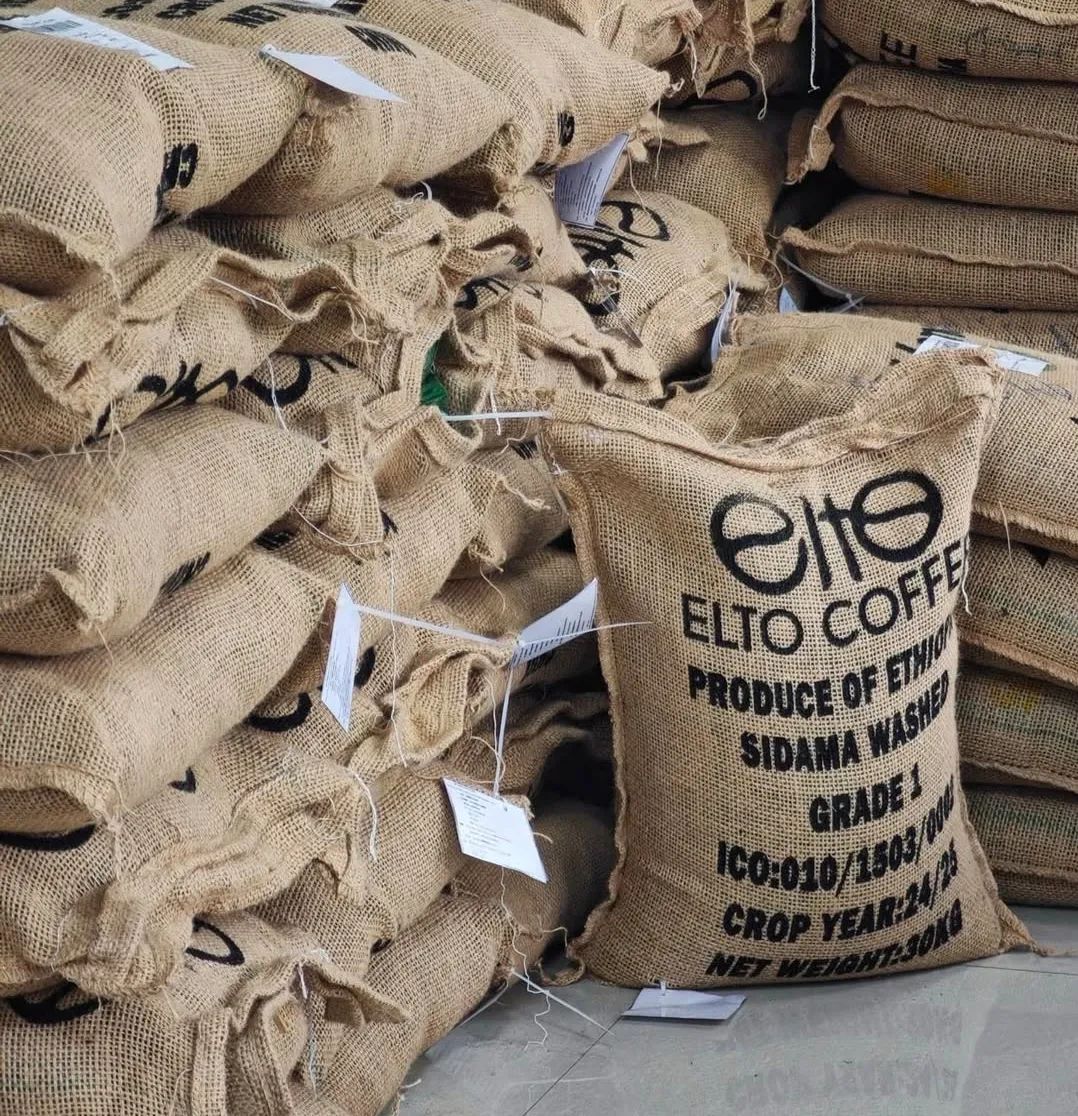
The full name of Elto is "Elto Coffee Export PLC", a green bean trading brand founded in May 2022 by the husband and wife Eliyas Dukamo and Atiklit Dejene, making it still a very young coffee company.
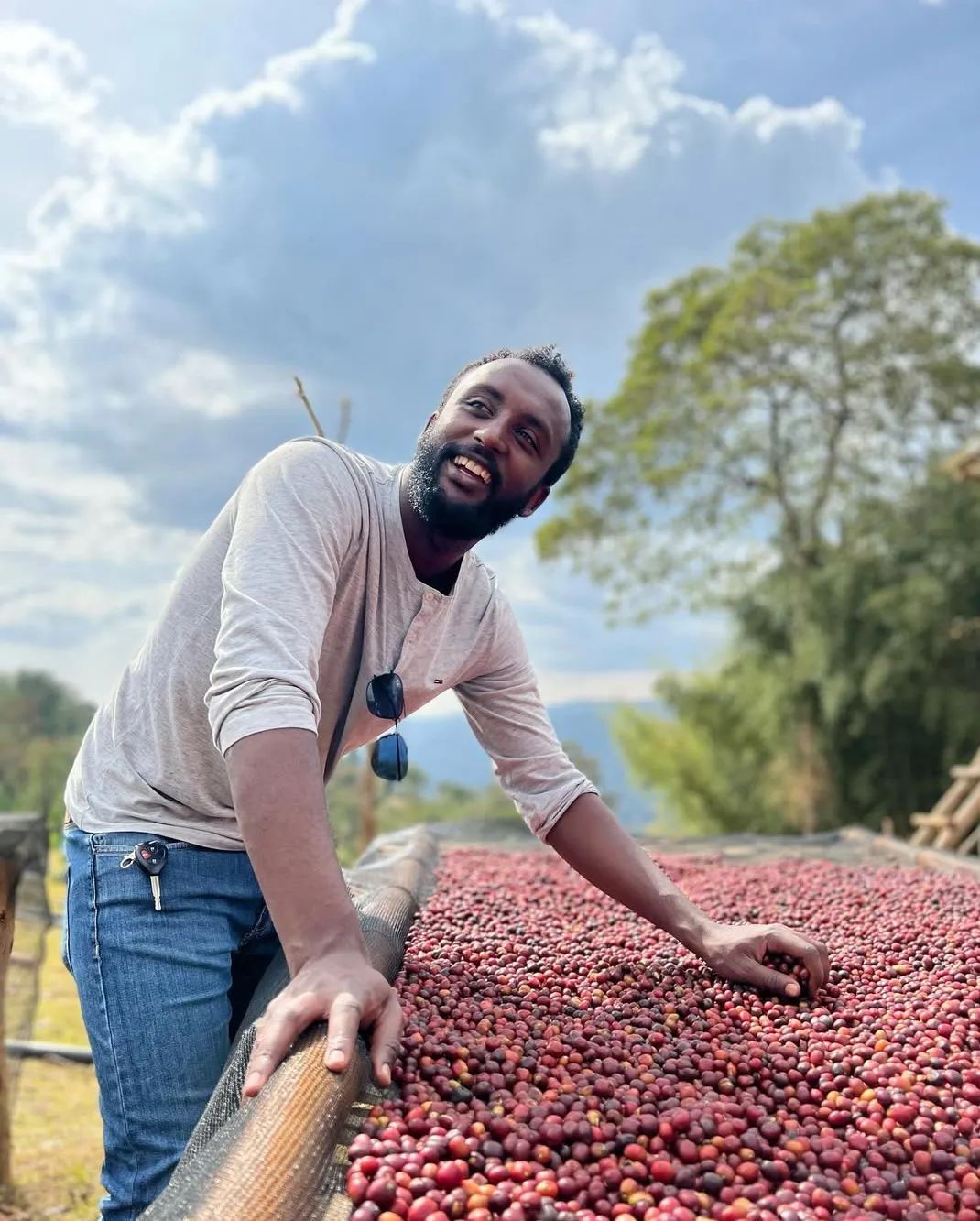
According to Best Coffee's understanding, the husband Eliyas comes from the long-established Dukamo family of Bensa town, and is a veritable second-generation coffee professional; he once served as operations manager at Daye Bensa Coffee, a famously prominent local coffee leader, so he is especially familiar with the practicalities of the international green bean trade;
while the wife Atiklit Dejene not only holds a bachelor's degree in agriculture, but also once served as the person in charge of green bean processing at the Gesha Village Estate we all know, and later joined Daye Bensa to take charge of experimental processing of micro-lots, so she has extremely rich experience in coffee post-processing and management.
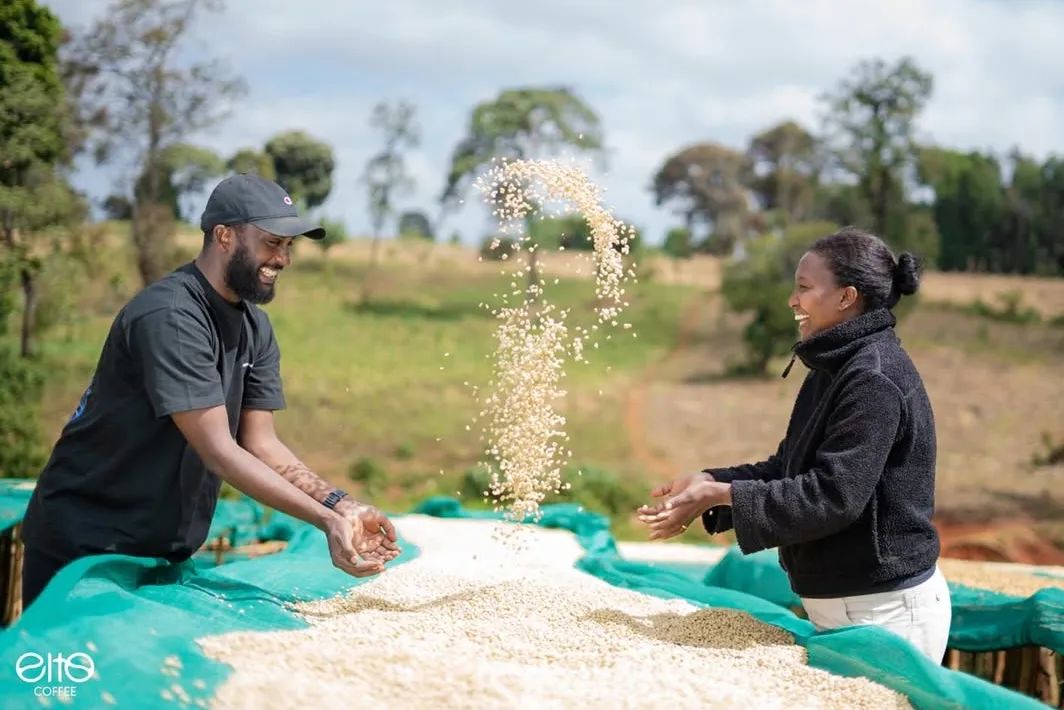
The two met at Daye Bensa and, guided by a shared vision for innovation and development in specialty coffee, co-founded ELTO COFFEE. The brand's rapid recognition within the coffee community shortly after its founding is undoubtedly thanks to this husband-and-wife team's deep expertise in coffee.
As for the brand name, the word "Elto" comes from the Cushitic ancient language widely used in the local Sidamo area. It carries two meanings: one is "beyond love," and the other is "abundance." Choosing this name symbolizes Eliyas and Atiklit's hope to take "passing on the terroir genes of coffee" as their core mission, while relentlessly pursuing the ultimate in high-quality coffee.
Geographic Location
Like Alo, which Front Street introduced last year, Elto's home base is also located in the high-altitude zone of the Sidamo production area, situated in the central part of Bensa woreda, with its core growing sites mainly near the villages of Kokose and Gango. Gango village has about 600 smallholder coffee farmers, who cultivate plots of 1 to 2 hectares, and the coffee is usually interplanted with banana trees.
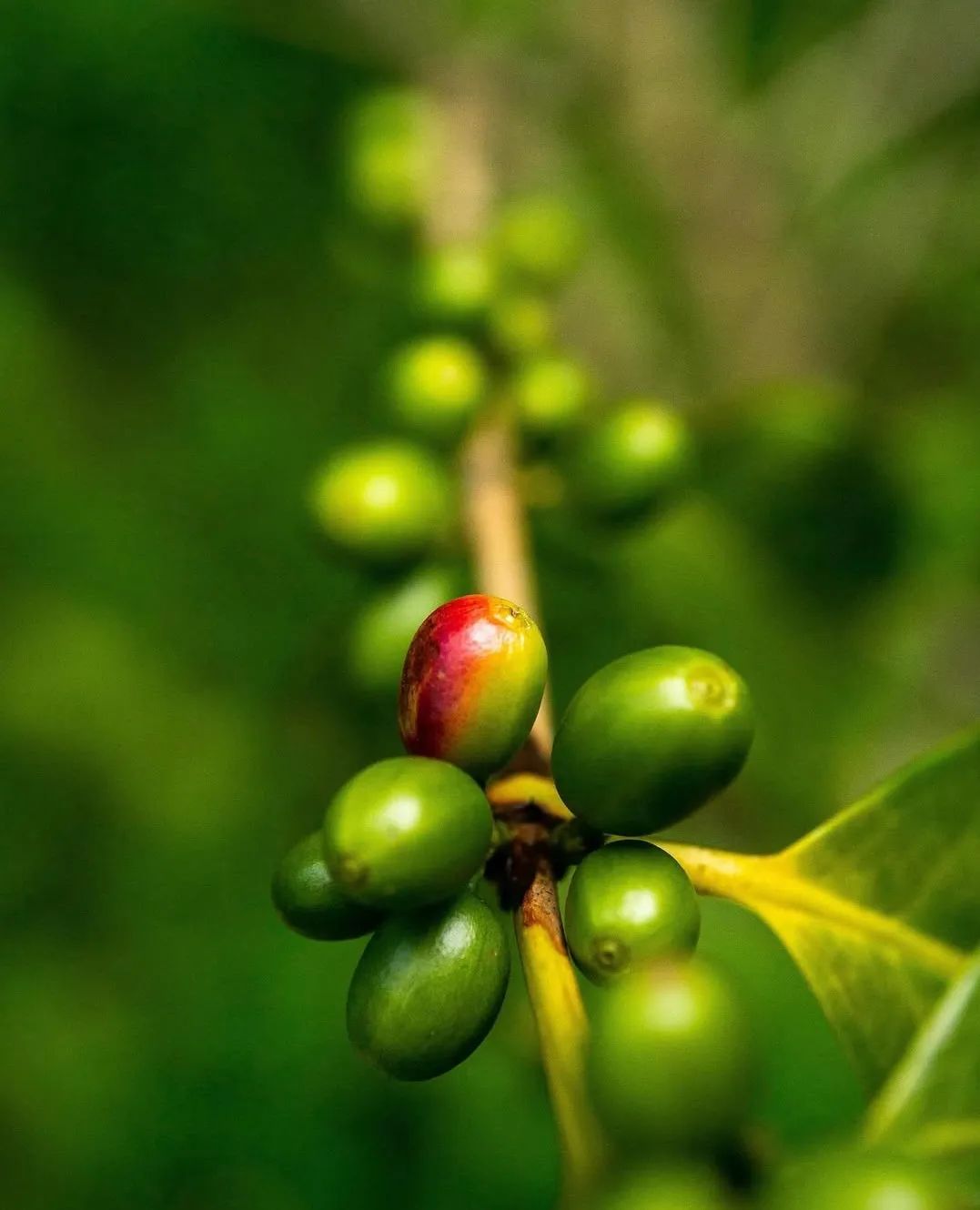
At present, Elto has three processing plants: the Songo Station in Hamasho, which sits at the highest altitude and is run by the family of Eliyas's brother-in-law. Its extremely high altitude of nearly 2350 m creates a pronounced day-night temperature difference and a unique microclimate, and together with fertile volcanic ash soil, this forms a very rare coffee-growing ecosystem, while also bringing together cooperation with many smallholders from two nearby villages.
The second is the Elora Station, named after Eliyas and Atiklit's eldest daughter, located in Arbegona village. Its altitude is slightly lower than Songo Station, but still reaches 2250 m, and when viewed from the air, its pink-purple roof is its most iconic feature.
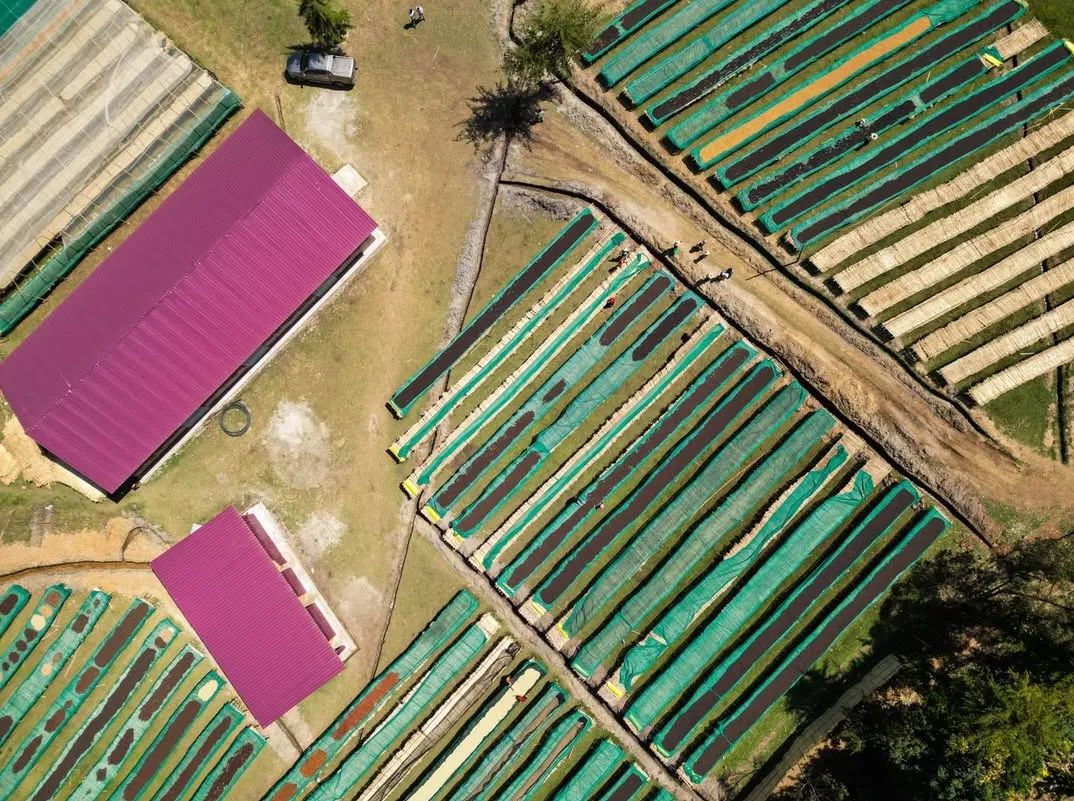
In addition, there are also the Mofa Station (MOFA Station) and the Bare Station) located in the Mofa mountain area, where coffee cherries are mainly harvested from the nearby native highlands. The three lots that Qianjie purchased this time come from these two green bean processing plants.

Ethiopia · Sidamo · ELTO Mofa
Region: Ethiopia Sidamo
Processing station: Mofa
Altitude: 2360-2400m
Variety: 74158
Processing method: anaerobic washed
Flavor: citrus, lemon, nectarine, green grape

Ethiopia Sidamo ELTO Mofa
Region: Ethiopia Sidamo
Washing Station: Mofa
Altitude: 2360-2400m
Variety: 74158
Processing Method: Anaerobic Honey Process
Flavor: Sweet Orange, Strawberry, Cream, Oolong Tea
Green Bean Processing Method
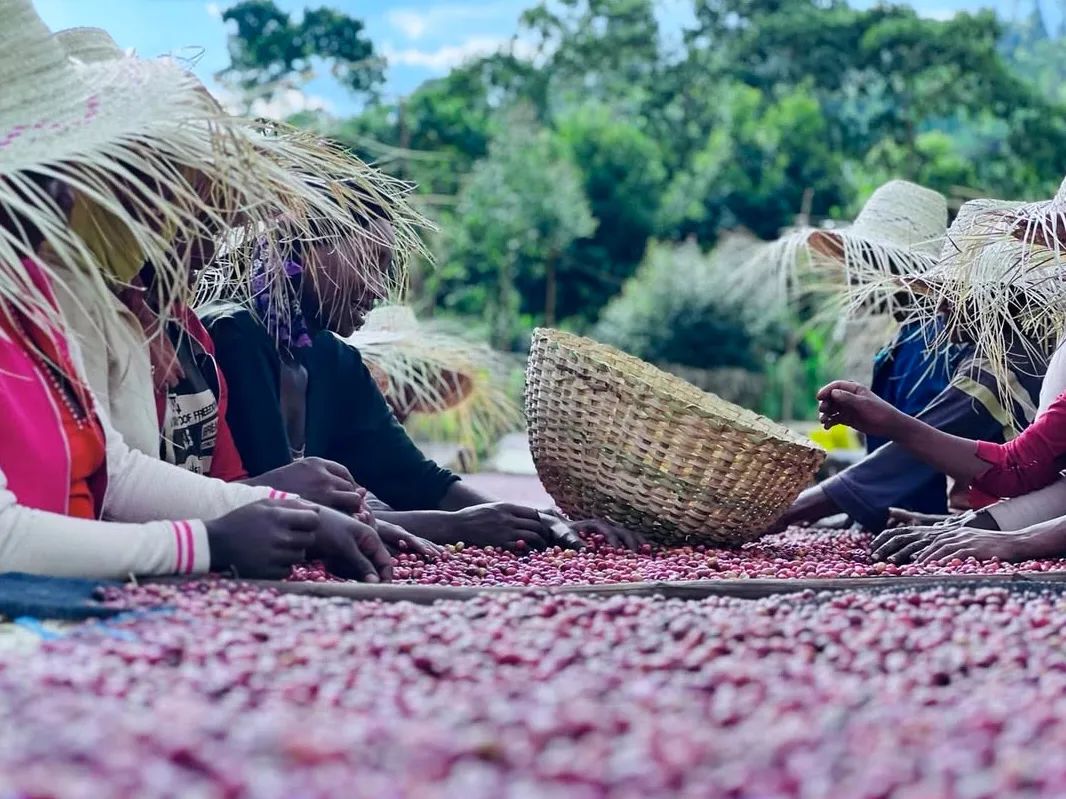
To ensure control over green bean quality, Elto requires all workers to hand-pick fully red coffee cherries of uniform color, and employs different post-processing methods for each batch so that the coffee's flavor can be perfectly expressed. The several batches that Qianjie acquired this time were all slightly adjusted from traditional processing methods, with the green beans processed in three ways: 72-hour anaerobic natural, anaerobic washed, and anaerobic honey.
Take 72-hour anaerobic natural as an example: it is essentially the traditional natural process with an added anaerobic fermentation step, allowing the fruit to develop richer tropical fruit notes and fermentation aromas before drying.
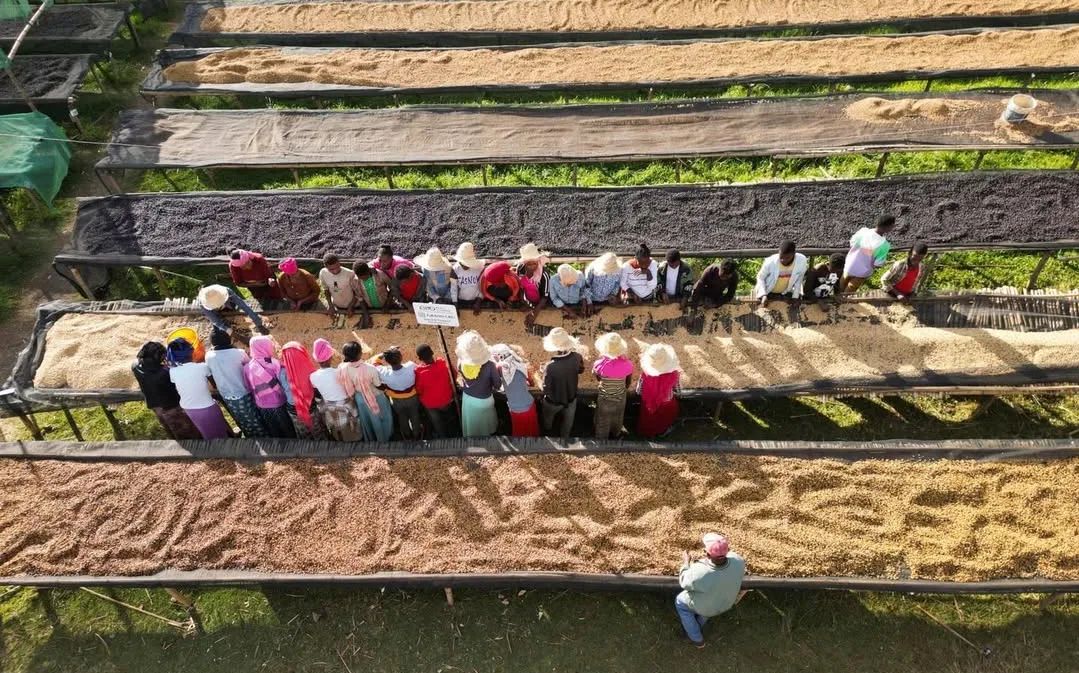
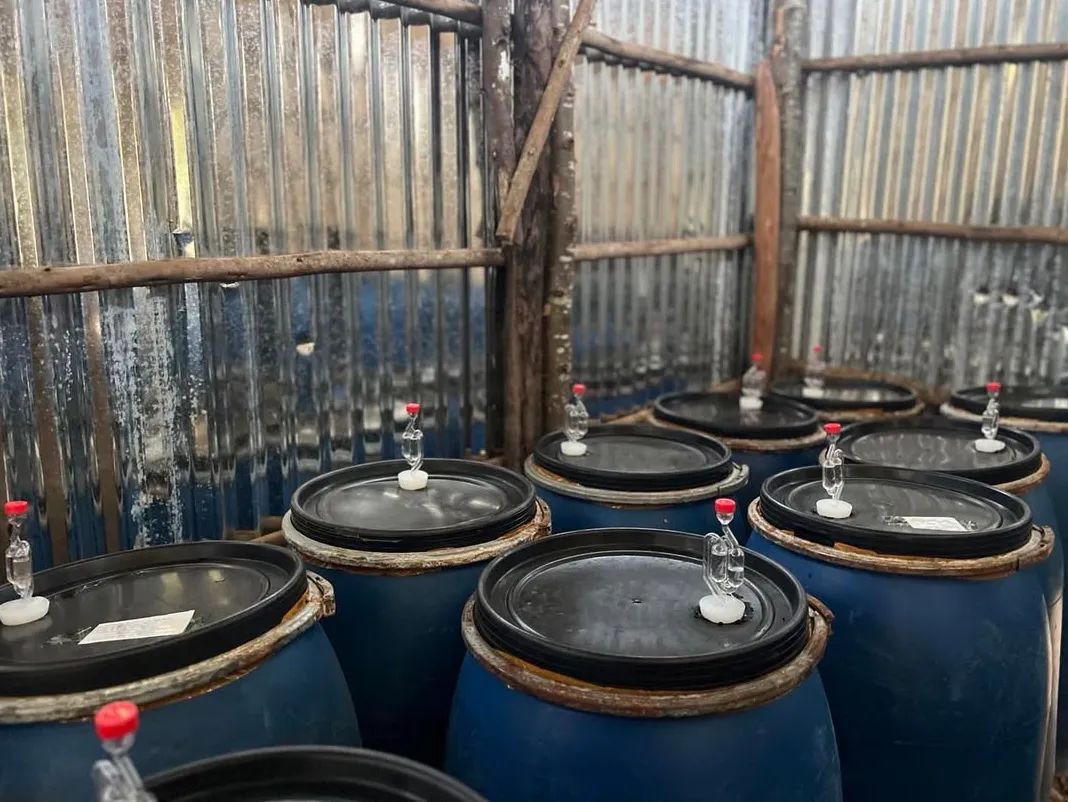
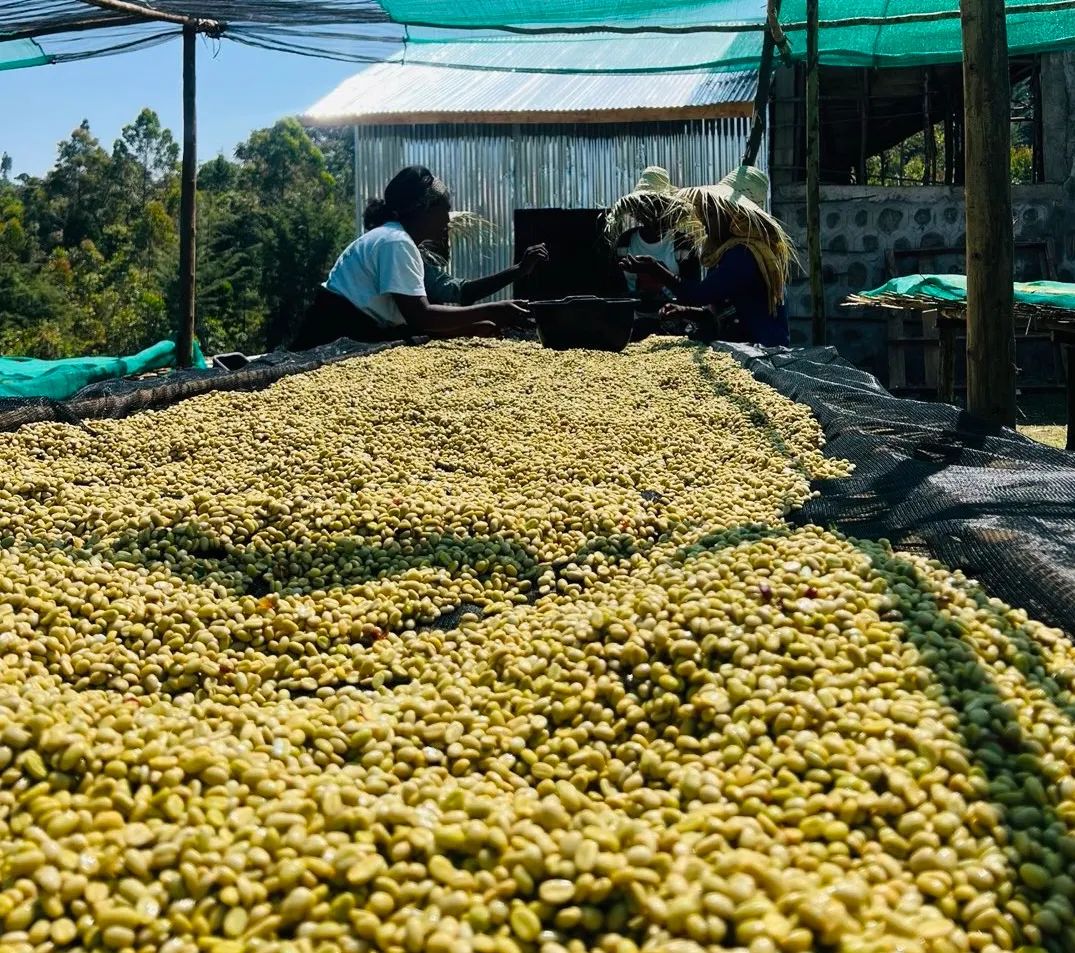
For coffee processed this way, workers first place the sorted fresh cherries into clean blue plastic barrels for 72h of anaerobic fermentation; after fermentation ends, the cherries are moved to African drying beds for drying. The cherries need to be spread at a thickness of 3-5cm to ensure smooth air circulation. To allow the green beans to dry evenly, the coffee farmers also need to manually turn them once every 20-30 minutes, and after about 10-14 days they begin checking the moisture content.
Coffee Varieties
Those who often drink Ethiopian coffee may have noticed that in the past, coffee from this origin was mostly labeled as "heirloom", but nowadays we often see the variety field changed to a string of numbers like "74xxx", which baristas affectionately call the "74 family".
Although 74-series varieties often rank in green bean competitions and are deeply loved for their beautiful aromas, when it comes to their origins, rather than emphasizing cup flavor, they were in fact developed more to improve the coffee tree's disease resistance.
In 1971, Coffee Berry Disease broke out on a large scale in Ethiopia, destroying nearly 200 tons of coffee beans. Therefore, from 1974 to 1975, agricultural research institutions began experimenting with cultivating coffee saplings resistant to the disease, collecting 639 coffee tree samples, and finally breeding 13 coffee varieties that effectively resisted Coffee Berry Disease and were drought-tolerant and high-yielding. So 74 stands for 1974, the year the variety was catalogued, and the last three digits are the experimental sample number. For example, 74110 refers to the sample variety numbered 110 released in 1974.
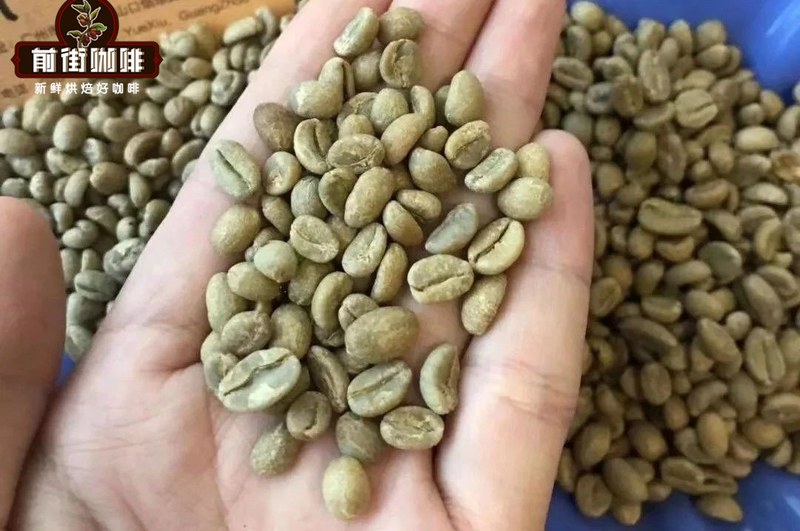
On Best Coffee's bean list, in addition to the previously released Alo Hatessa and Santa Viny, which let us taste 74158, the Elto we have acquired this time also adds two numbered bean varieties, 74112 and 74110. By observing the green beans, Best Coffee found that the beans in these batches are mostly on the small side, appearing round and mini, with a screen size of roughly 10 to 12.

Ethiopia Sidamo ELTO Bare
Region: Ethiopia Sidamo
Washing station: Bare
Altitude: 1920-2300m
Variety: 74112, 74110
Processing method: 72-hour anaerobic natural
Flavor: rose, blueberry, melon, passion fruit, fermented aroma
To present the elegant floral and fruity aromas of Bensa coffee while highlighting its caramelized sweetness, Qianjie uses a medium-light roast, with slight adjustments made for the flavor profile brought by each processing method. After roasting, as always, Qianjie tasted the three beans in the form of a cupping.
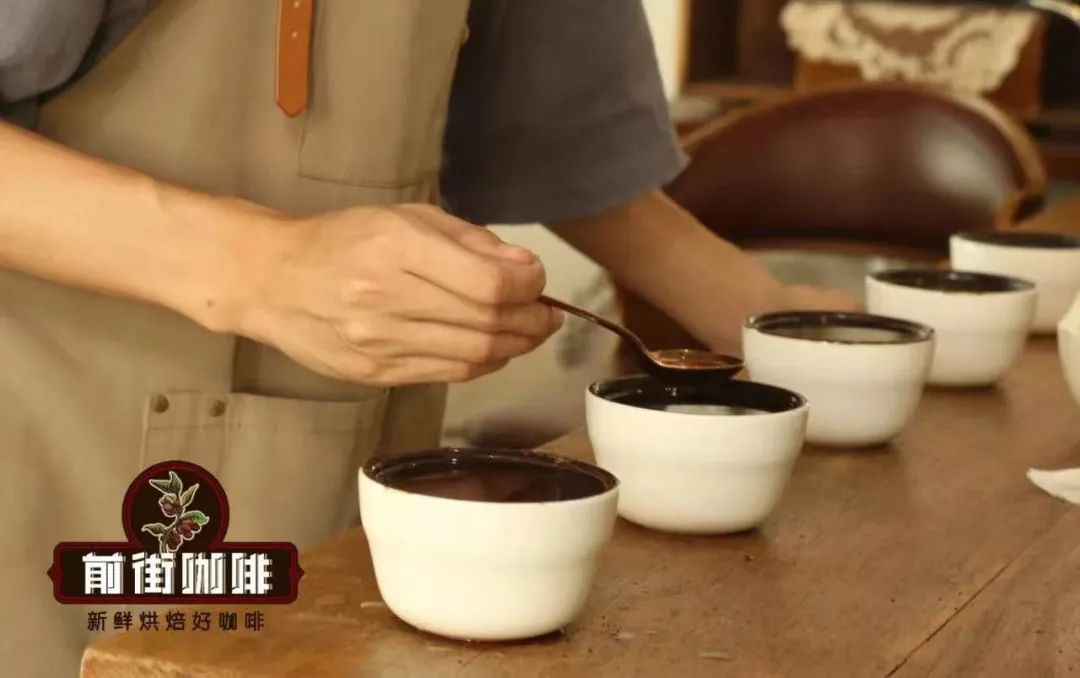
In the dry aroma, all three beans showed floral notes, but due to the different processing methods, there were subtle differences in character. For the anaerobic honey-processed batch from the Mofa washing station, Qianjie found it closer to a delicate camellia, while the aroma presented by the anaerobic washed one leaned toward white florals such as jasmine and coffee blossom; and the anaerobic natural from the Bare washing station gave off a subtle fragrance like red roses.
Through slurping, the three ELTO lots also showed their own unique styles in flavor. The anaerobic honey-processed Mofa batch had ripe fruit notes of strawberry, sweet orange and dried apricot, with an elegant acidity on entry, a smooth and sweet mouthfeel, and a finish with a hint of oolong tea aroma; while another coffee carried an obvious washed character, whose clean and fresh sweet-tart taste reminded the Qianjie team of fruits such as green grape, kiwi and grapefruit, and as the temperature dropped slightly, the citric acidity in the coffee became more prominent.

The anaerobic natural from the Bare processing plant opens with distinct floral aromas, lychee, guava, nectarine and fermented fruit notes, with an extremely clear sweetness, accompanied by a black tea finish, and a bright yet light acidity; whether in flavor, mouthfeel or complexity, it is the best-performing of the three beans.
Related Reading




Comments (0)
Loading comments...
You May Be Interested




Trending Reviews
Popular Videos

With you, wherever you are! We provide useful features to help you find new things you'll love






