Source:Best Coffee > News Author:qjroot Published:2024-10-30 18:56:04
Kenya has long been known for its multi-layered flavors and juicy acidity, and coffee lovers who regularly buy Kenyan coffee have surely heard of Kenya's NCE institution, so what does this institution do?

NCE stands for Nairobi Coffee Exchange, which is a coffee trading platform established by the Kenyan government, managed by the country's Foreign Exchange Management Committee and regulated by the Kenya Agriculture, Food and Fisheries Authority. It is an extremely important part of Kenya's coffee supply chain.
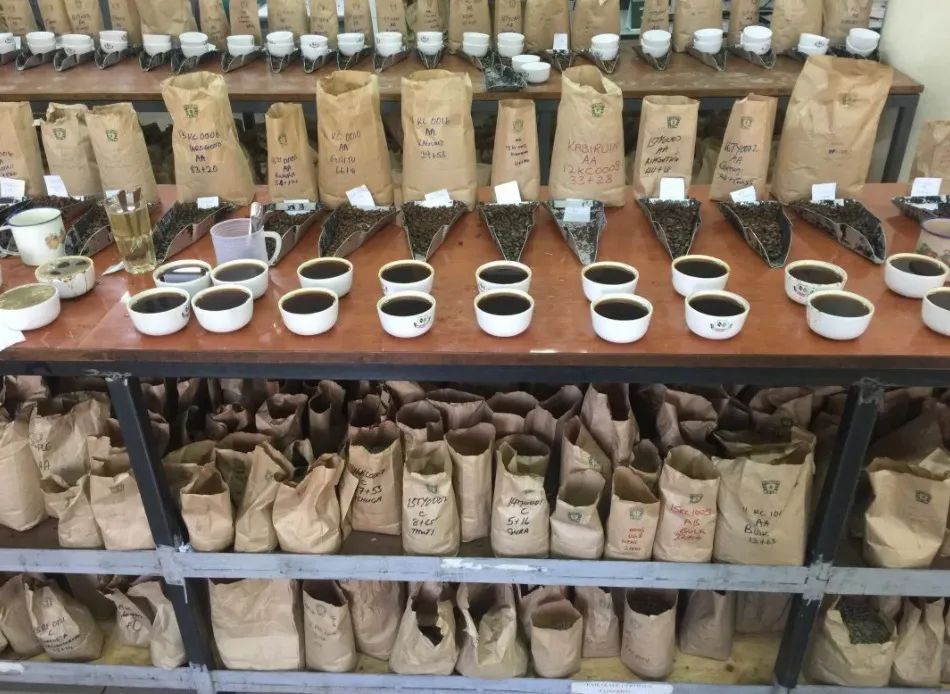
Every Tuesday, NCE holds a coffee auction, whose main purpose is to provide buyers and sellers with a transparent and efficient coffee trading venue. At this exchange, buyers can inspect and taste the coffee before purchasing, while sellers can present their coffee to a wide range of buyers for sale.

The history of NCE can be traced back to the 1930s, when Kenya was still a British colony and most coffee plantations were owned by the British. Under British leadership, the Coffee Board of Kenya was established, and the first auction was held in 1935, along with a coffee grading system. Later, a cooperative system was introduced, requiring smallholders to participate, but to a certain extent this weakened their position in the industry, because at that time most members of the Coffee Board were local coffee estate owners.
It was not until 1963 that Kenya became independent, and plantation land was nationalized and redistributed. Cooperatives were authorized and received nearly 4 million USD in loans to expand processing capacity and build new processing stations. For this reason, today about 75% of Kenya's coffee land is farmed by smallholders.
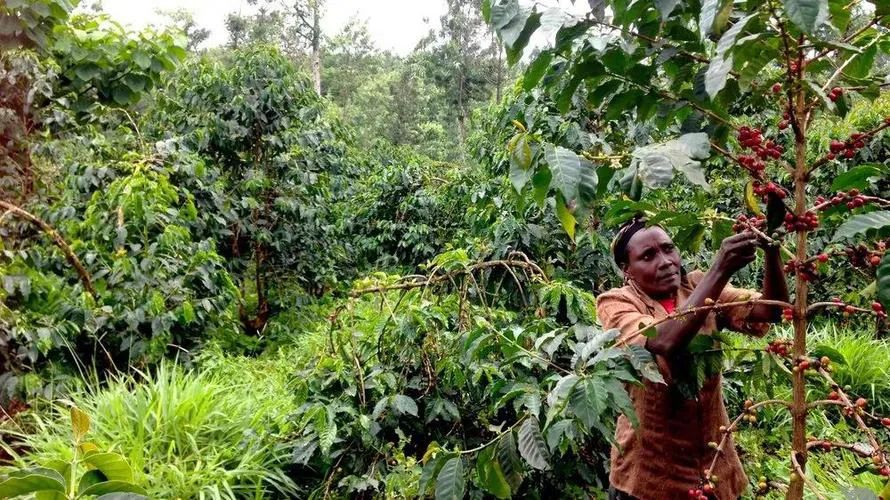
At present, after the changes of recent years, coffee farmers or cooperatives mainly export coffee to buyers in other countries through NCE auctions or direct sales.
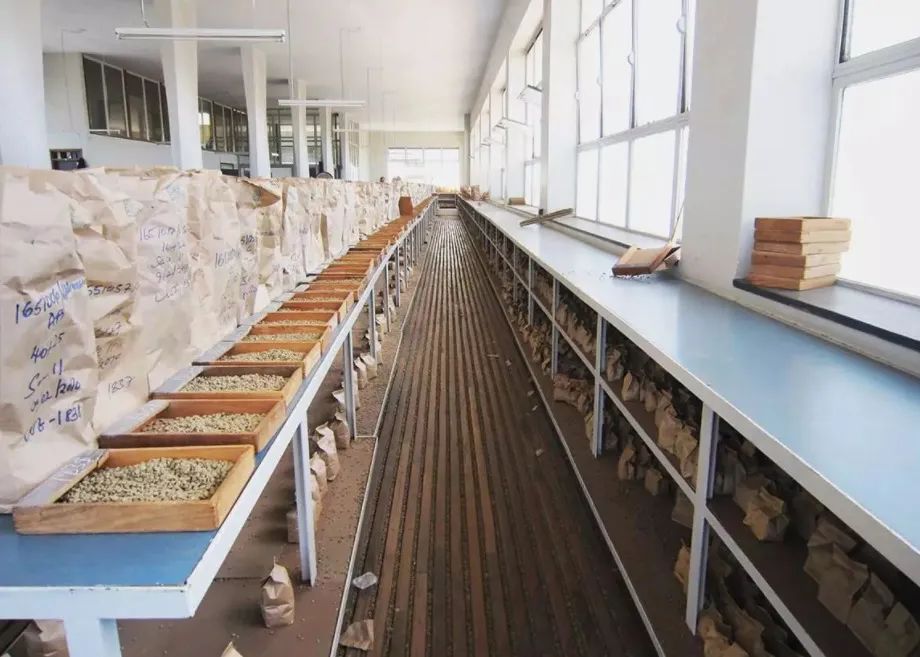
After the coffee cherries are harvested, they are sent to a processing station for processing, after which the green coffee is handed over to marketing agents, who grade all the products and prepare a catalog, then present this catalog to traders who will take part in the upcoming weekly auction. Traders may cup the coffee at NCE in advance, and afterwards at the auction, buyers bid on the coffees they favor, and the highest bidder obtains that lot of coffee.
However, after the merchant pays, the funds are not paid to coffee farmers and other producers, but instead flow to marketing agents. The agent deducts an agency fee and then pays the farmer or cooperative for the coffee cherries. As a result, in the early years, this system was often criticized by producers and stakeholders, because the process for coffee farmers to receive funds was too long, and at times they even had to wait nearly a year to be paid.
Therefore, in 2006, the Kenyan government introduced the "Second Window," and under Second Window legislation, producers can bypass the NCE auction platform and do business directly with buyers. However, to this day, 85% to 95% of Kenyan coffee is still traded through the NCE. This is because restrictions on dealers, smallholders' lack of access to external markets, and a deeply entrenched cooperative union system mean that most coffee must circulate through exchange auctions.
To learn more about coffee origins and news, please scan the QR code to follow: Kaping
Long-press the QR code to follow:

Related Reading




Comments (0)
Loading comments...
You May Be Interested




Trending Reviews
Popular Videos

With you, wherever you are! We provide useful features to help you find new things you'll love






