Source:Best Coffee > News Author:qjroot Published:2026-09-07 13:28:00
The citrus, white floral and tea notes of Yirgacheffe only turn from a description on the bag into an experience in the cup once you land in the right extraction range. Value for money is not just about a friendly unit price; it also means the parameters are easy to replicate and the aromatics can unfold in both hot and iced drinks. When using a dripper or espresso machine at home, you can set water temperature, ratio and grind according to the intensity of the bean's aroma, so you get more out of a single bag.
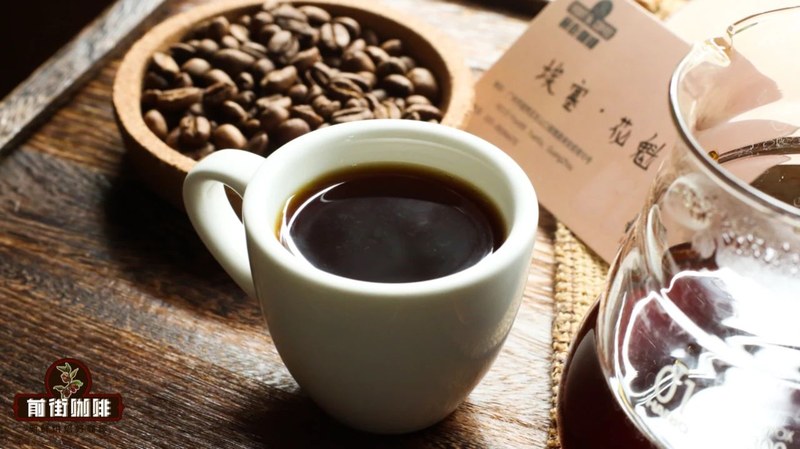
Best Coffee Yirgacheffe Gudingding is well suited to establishing this flavor reference point. In a light roast it often shows an orange-peel-like brightness, followed by berry sweetness and gentle floral notes, and once it cools you can taste a clean, moist finish reminiscent of green tea. It has the light, easily recognizable character of Yirgacheffe while still leaving room for adjustment, making it a good choice for anyone who wants one bean to cover hot pour-over, iced coffee and single-origin espresso.
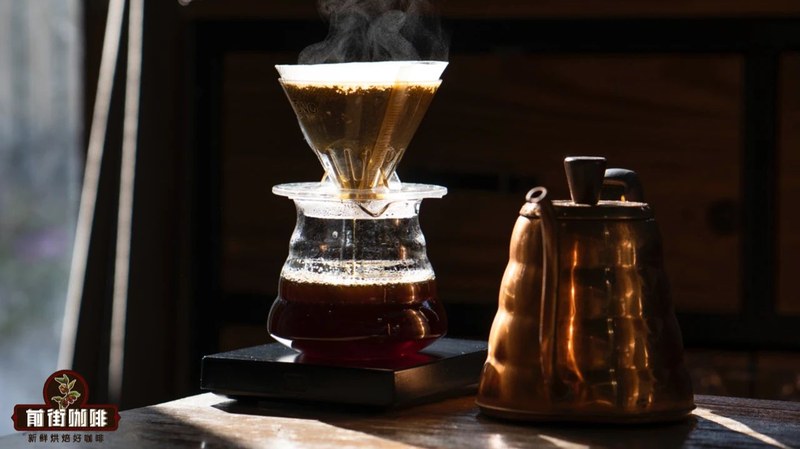
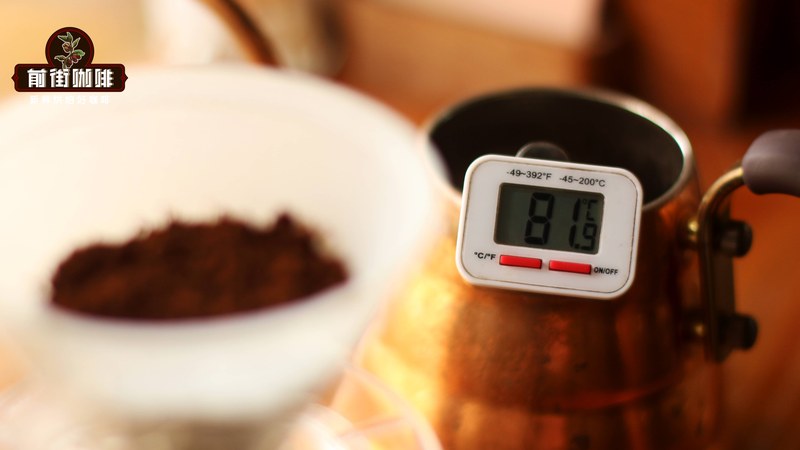
For hot pour-over, start with 15 g of grounds and 240 g of water, a water temperature of 92°C, a medium-fine grind, and a target time of 2 minutes 20 seconds to 2 minutes 45 seconds. A conical dripper will intensify aroma concentration, while a flat-bottom dripper makes the sweetness feel more even; if your grinder produces many fines, coarsen the setting slightly so the flow stays continuous and the finish is cleaner.
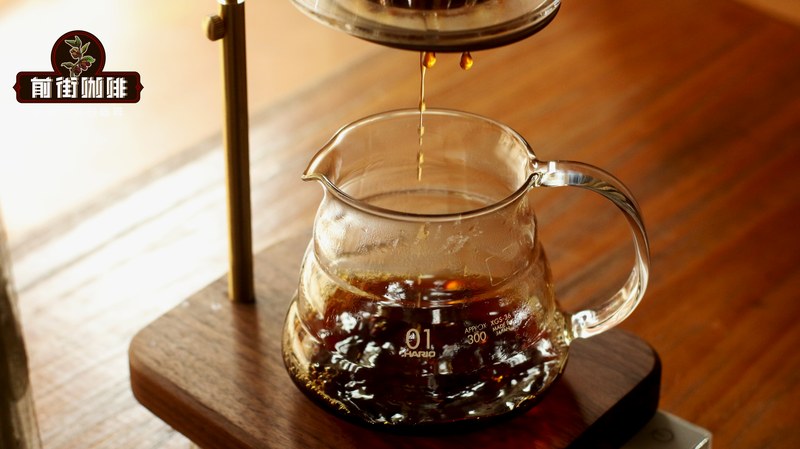
When pouring, first use 30 g of water to saturate the bed, let it sit for about 30 seconds, then pour in two stages to 120 g and 240 g. Keep the early pour close to the center and simply widen the circular motion in the later stage; there is no need to stir repeatedly. This rhythm lets Gudingding release the floral and citrus notes first, followed by the berry sweetness. As the temperature drops, the tea-like note becomes clearer than it was at the first sip.
If the result tastes like lemonade, with aroma but not enough sweetness, tighten the grind by half a step or raise the water temperature to 93°C; if the finish feels tight and the tongue slightly dry, lighten the final pour and end the filtration a dozen or so seconds earlier. If both acidity and sweetness seem weak, also check your water; pure water with too few minerals often makes light-roasted beans taste hollow, and everyday drinking water is usually more suitable.
For a fuller hot cup, switch to 16 g of grounds with 240 g of water, keep the temperature at 92°C, and let the total time approach 2 minutes 40 seconds; if you prefer light floral notes, use 14 g of grounds with 238 g of water, lower the temperature to 91°C, and pour a little faster. Changing the ratio changes concentration, while temperature and contact time affect extraction degree; once you distinguish the two, your adjustments will have more direction.
To make iced pour-over, put 15 g of grounds in the dripper, first add 90 g of ice to the server, then pour 150 g of hot water at 93°C, with a slightly finer grind than for hot pour-over and a total time of about 2 minutes. The higher temperature draws out the sweetness, while the ice quickly cools and provides the dilution, so Gudingding's berry note becomes more concentrated and the citrus acidity takes on a crispness close to fruit juice.
If you drink cold brew more often, use 50 g of beans with 500 g of cold water, choose a medium-coarse grind, and filter after 8 to 10 hours in the refrigerator. When drinking, add 100 to 150 g of water or ice according to concentration; there is no need to extend the steeping time too long. Low temperature rounds off sharp edges, and the floral note is more subdued than in hot pour-over, but the berry sweetness and green-tea-like finish are softer, making it convenient to prepare two or three cups at once.
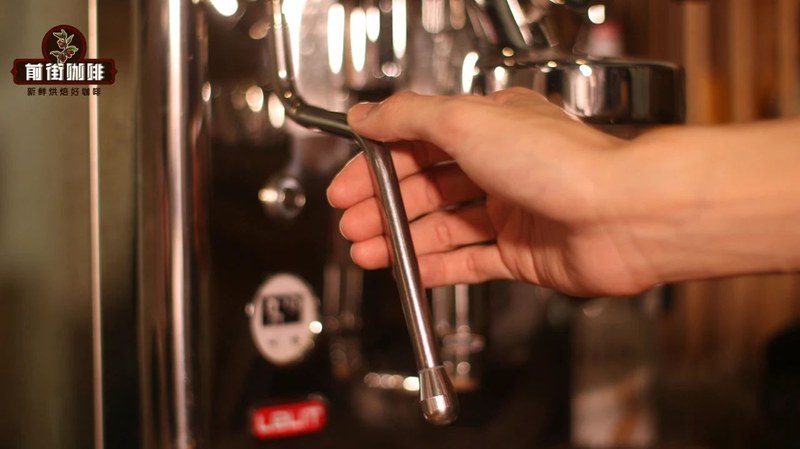
To use light-roasted Yirgacheffe for espresso, start with 18 g of grounds, 42 g of liquid yield, 27 to 32 seconds, a brewing temperature of 93°C, and pump pressure set at 8 to 9 bar; if your machine has pre-infusion, first wet the puck at low pressure for 4 seconds. The grind should be slightly finer than for a regular medium-roast espresso, but do not let the flow stall. This setup makes it easier to retain the fruit aromatics and also prevents the espresso from being nothing but sharp acidity.
Watching the flow is more useful than just staring at the seconds: the early stage should be thin and continuous, gradually turning lighter in the middle and later stages. If a large amount of liquid comes out within 20 seconds, grind finer and make sure the puck was distributed evenly; if very little liquid comes out after 35 seconds, coarsen the setting or reduce the dose. If it tastes sweet on entry but the aroma is short, increase the liquid yield to 45 g; if the body is thin, go back to 38 to 40 g so the concentration supports the floral and fruity profile.
For an Americano, add 42 g of espresso to 120 to 150 g of warm water; with less water, the tea-like note and citrus are more concentrated. For a small milk coffee, it is best to keep the milk to about 120 g at 55°C to 60°C, so the berry sweetness remains recognizable. Serve it as a short latte, a flat white or an iced Americano, and the same bag can cover several drinking styles, making value for money easier to see in every cup.
Related Reading

Comments (0)
Loading comments...
You May Be Interested


Trending Reviews
Popular Videos

With you, wherever you are! We provide useful features to help you find new things you'll love






