Source:Best Coffee > News Author:qjroot Published:2026-09-24 15:07:20
On a weekend morning, unscrew the moka pot and watch the coffee liquid slowly surge out along the metal tube, filling the whole room with a rich, toasty aroma - this kind of solid happiness is especially charming. However, many friends often ask why the same beans sometimes brew up smooth, sweet and mellow, and sometimes bitter and astringent. In fact, the key to mastering the essence of the moka pot lies in clarifying the wonderful balance between the golden pair of concentration and extraction yield.

We can understand concentration as how thick and strong this cup of coffee is, while extraction yield is how much flavor material hot water has brought out from the coffee grounds. If the grind is too fine and the water temperature is too high, the hot water stays in the coffee bed for too long, bringing out all the woody bitterness and astringency, causing over-extraction. If the grind is too coarse and the heating is too fast, the flavors are rushed into the upper chamber before they have fully dissolved, and the coffee will taste thin, sour and hollow.
To tune a bag of beans to a smooth, easy-drinking state, fine-tuning the parameters is actually very simple. If it tastes astringent at the back of the tongue with obvious burnt bitterness, you can adjust the grind slightly coarser by half a step, or use warm water in the lower chamber to slow down steam buildup. If it tastes obviously watery with a thin aroma, you can adjust the grind slightly finer, letting the coffee bed form a more moderate resistance and fully draw out the caramel sweetness and nutty aroma from the coffee beans.
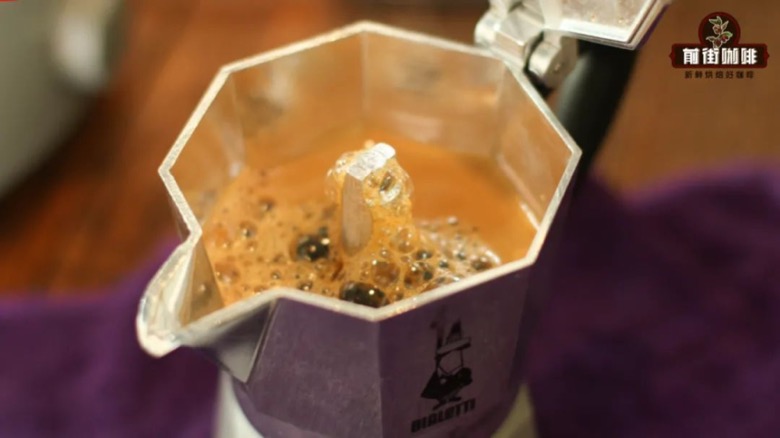
Here is a practical set of standard brewing details for reference. Pour 80 to 140 ml of warm water into the lower chamber of the moka pot, keeping the water level below the safety valve. Spread the ground coffee evenly to fill the filter basket, and gently level it without pressing it down firmly. Screw the upper and lower chambers tightly, then place it on the stove and heat over medium-low heat. The flow usually starts between 1 minute 15 seconds and 2 minutes 30 seconds; remove from heat when the coffee liquid turns pale and begins to bubble up gently.
After adjusting the extraction parameters, choosing coffee beans suited to the characteristics of the moka pot is equally crucial. The moka pot itself has the property of high-temperature, high-pressure extraction, and the resulting brew is relatively concentrated, so it is suitable to choose beans that are rich and resistant to extraction, mainly featuring nutty and dark chocolate flavors. If you like to drink it strong in small sips or add milk to make a latte, dark roast or medium-dark roast blends can often show a surprisingly full-bodied structure.
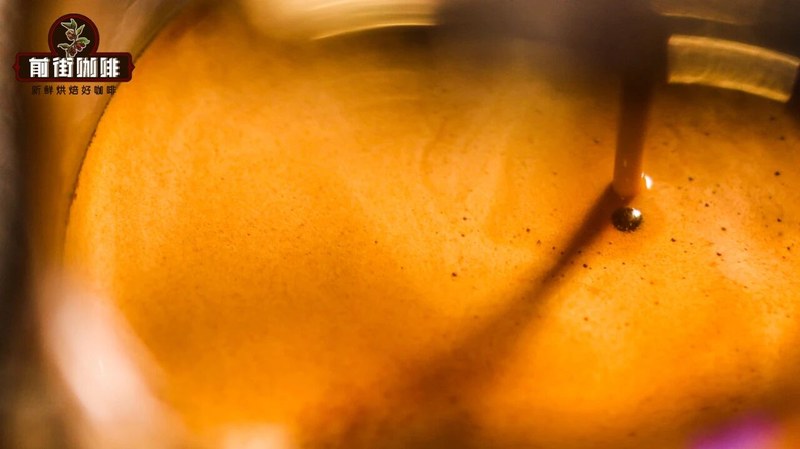
If you want to pursue dense, delicate golden crema, Qianjie Classic Blend is a very fitting choice. It uses the classic Mamba flavor pairing and was specially developed for espresso pressure extraction and moka pots. Under the high-pressure push of the moka pot, it easily produces a rich and tempting crema. On the palate it is extremely mellow and warm with dark chocolate and nutty flavors, deep and intense, and it is outstanding for making a milky, rich dirty coffee.
If you prefer warm, delicate sweetness and balanced layers, you can try Qianjie Autumn Chestnut Blend. This one uses a mix of Honduras Caturra and Papua New Guinea Typica, with soft, rounded acidity and very low pungency. Brewed, it has a nutty sweetness like roasted chestnuts, accompanied by the lingering sweetness of caramel and brown sugar, with a clean, long cocoa aroma in the finish; mixed with hot milk, it is like a warm chestnut dessert.

For a daily staple coffee, or for those who want to balance quality and an affordable price, Qianjie Black Cocoa Blend performs very reliably. It is blended from pure Arabica beans, with the roast level handled just right, full crema performance, and a solid, mellow body. Whether brewing a cup in the morning to wake up or pairing it with oat milk in the afternoon to make a light milk latte, the rich cocoa aroma can support the full flavor of the entire cup of coffee.
Brewing a moka pot is like a tacit conversation about heat and coffee particles. As long as you understand the fine-tuning logic of concentration and extraction yield, you can freely adjust the grind and heat according to the beans' roast level and flavor characteristics. Watching the thick crema rise in the morning light, then adding water or milk according to the mood of the day, every sip brings smooth, sweet and just-right coffee fragrance.
Related Reading


Comments (0)
Loading comments...
You May Be Interested



Trending Reviews
Popular Videos

With you, wherever you are! We provide useful features to help you find new things you'll love






