Source:Best Coffee > News Author:qjroot Published:2026-09-02 18:40:48
Brazilian coffee beans often give the impression of being mellow, sweet and easy to drink, with notes of nuts and cocoa or caramel being fairly common, and acidity that usually is not overly sharp. They suit everyday black coffee and can also carry the smooth texture of milk. When actually choosing, the key is to look at what equipment you use at home, and whether you want the coffee to come across as crisp, intense or smooth.
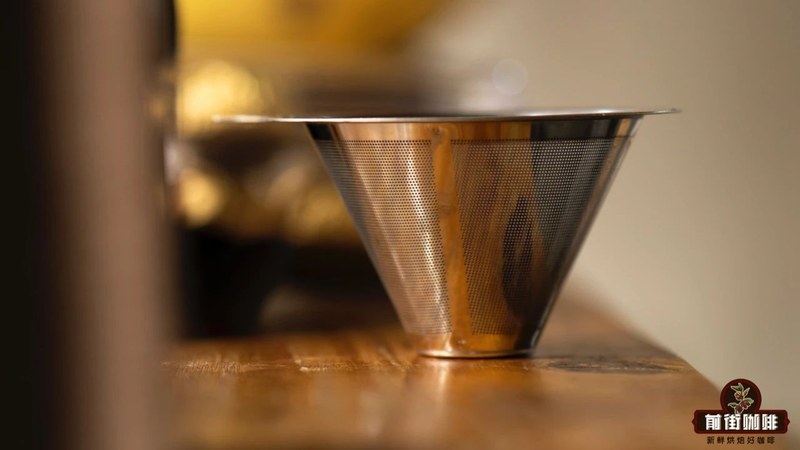
Pour-over equipment is good at drawing out the sweetness and delicate aromatics of Brazilian beans. If you use a conical dripper, you can choose a medium-light to medium roast, a water temperature of about 90 to 93°C, and a coffee-to-water ratio starting at 1:15. The grind should not be too coarse, or the cup will easily have only a faint bittersweetness; nor should you keep grinding finer, because too slow a flow rate will bring out a woody quality in the finish.
With a flat-bottom dripper, extraction is usually more even, and the nutty sweetness and cocoa tones of Brazilian beans come through more completely. Taking 15 g of ground coffee as an example, you can add 225 g of water, pouring in three to four stages, and control the total time to about 2 minutes 30 seconds to 3 minutes. If the entry feels thin, you can grind slightly finer; if the tongue feels dry, reduce agitation and let the water flow a little faster.
If you want to start trying pour-over with Brazilian beans, you can look at Qianjie Brazil Queen's Estate. Its flavor leans toward roasted nuts, cocoa and a syrupy caramel sweetness, with relatively gentle acidity; it is full-bodied when hot and still easily stays smooth as it cools. For people who prefer a balanced black coffee, this expression can be enjoyed comfortably without complex technique.
If you use a French press at home, it is recommended to choose medium or medium-dark roasted Brazilian beans, keep the grind coarse, and start with a coffee-to-water ratio of about 1:13. At a water temperature of about 92°C, steep for 4 minutes and then slowly press down the plunger. This retains more oils and gives a thicker cup; if it feels dull, you can shorten the steep time or add a little more water.
A moka pot will amplify the coffee's intensity and roasted character, so it suits Brazilian beans with obvious sweetness and a solid structure. Fill the filter basket to capacity with coffee and level it off, grind slightly coarser than espresso, add hot water to the base, and heat over low heat. When the coffee liquid starts to lighten in color and the sound becomes hurried, remove it from the heat, then dilute it with a small amount of hot water to make an Americano.
When making espresso with an espresso machine, Brazilian beans more easily form a thick base flavor in the nutty, chocolate and caramel direction. You can use 18 g of coffee, 36 g of liquid yield, and 28 to 32 seconds as a starting range, then observe the state of the coffee liquid. When acidity stands out, you can grind a little finer; when bitterness and an astringent finish appear, appropriately shorten the output or coarsen the grind.

If you mainly drink lattes or flat whites, the coffee's intensity and sweetness matter more than complex aromatics. Made into espresso, Qianjie Brazil Queen's Estate can provide a cocoa-like base for the milk; with less milk the coffee flavor is clearer, and with more milk it takes on a nutty toffee-like feel. Milk can be heated to 55 to 65°C, avoiding high temperatures that mask the coffee's original sweetness.
Fully automatic coffee machines are suited to starting with medium to medium-dark roasts, because the machine's grinding and extraction range is limited, and Brazilian beans with a clear flavor profile are easier to brew consistently. You can set the strength to medium-high, first make 30 to 40 ml of coffee liquid, then add hot water or milk according to personal taste. If the cup feels too heavy, lowering the strength usually preserves the aroma better than adding a lot of water.

If you are used to cold brew, Brazilian beans present a softer sweet-tartness and cocoa note. You can use 20 g of ground coffee with 260 g of cold water, grind slightly coarser than for pour-over, and steep in the refrigerator for 10 to 12 hours before filtering. If you want to make iced Americano, you can increase the proportion of ground coffee; if you want to drink it straight, appropriately increase the water so the nutty sweetness becomes lighter.
When buying Brazilian coffee beans, the equipment parameters should be placed in the same selection table as the roast level: pour-over leans medium-light or medium, French press and moka pot can lean medium-dark, and espresso and milk coffee emphasize intensity and sweetness. Once the beans are chosen, start with one simple set of parameters, brew several cups in a row and then fine-tune, and it is often easier to find the Brazilian coffee that suits your kitchen and taste.
Related Reading




Comments (0)
Loading comments...
You May Be Interested



Trending Reviews
Popular Videos

With you, wherever you are! We provide useful features to help you find new things you'll love






