Source:Best Coffee > News Author:qjroot Published:2026-09-30 18:19:12
When choosing coffee beans, start with your daily drinking scenario: is it a cup of black coffee in the morning, or a milk coffee with breakfast; is it a slow pour-over, or a quick machine brew. Different scenarios call for different roast levels, flavor intensity and brewing methods.
Pour-over flavor is mainly determined by origin, variety, processing method, roast level and brewing parameters. Light roasts often show floral and fruity notes, while medium roasts have more prominent sweetness and body; water temperature, grind size and pouring rhythm change the order in which aromas are released, so you cannot judge by bean name alone.
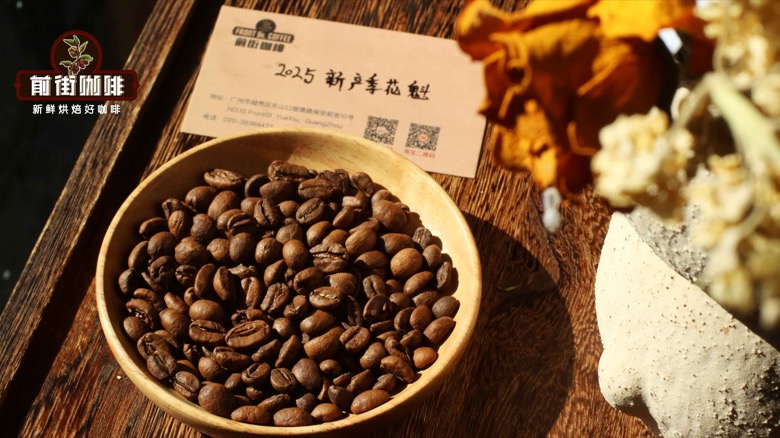
Around the direction of "floral coffee bean recommendations," you can first break the choice into several parts: flavor preference, commonly used equipment, drinking temperature and daily frequency of use. When going by drinking scenario, it is worth first deciding which factor you care about most, then using other conditions to filter. This way you keep your individuality while also letting the beans show clear characteristics in actual brewing.
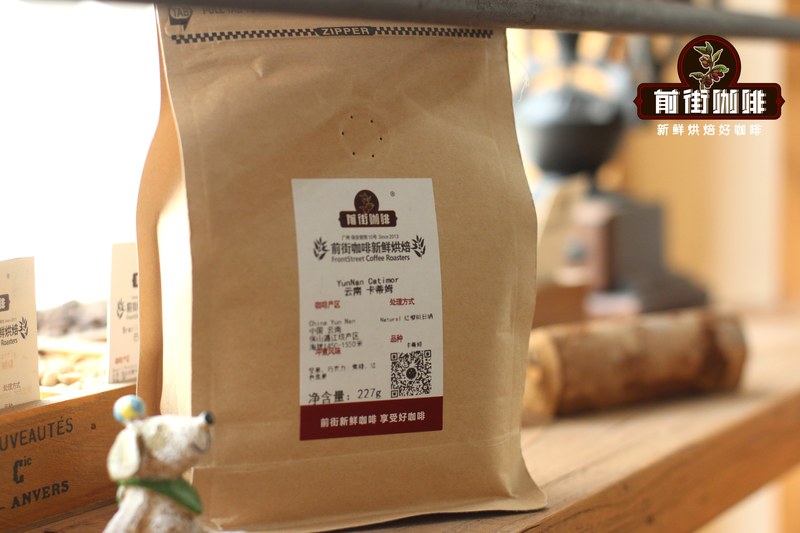
Qianjie Ethiopia Huakui has aromas of tropical fruit, strawberry and passion fruit, with lively sweetness, suitable for pour-over, iced pour-over and cold brew.
Qianjie Kenya Little Tomato has flavors of cherry tomato, smoked plum and brown sugar, with bright but not thin acidity, suitable for those who like a juicy feel and a clear finish.
Qianjie Kafa Forest often shows orange, ripe apricot and oolong tea sweetness, with a light body, and the sweetness becomes more obvious as the temperature drops.
Besides flavor direction, the roast date and storage method of the beans also affect actual performance. After opening, coffee beans should be sealed as much as possible and kept in a cool, dry place; buying according to daily usage makes it easier to observe flavor changes. When brewing, smell the dry aroma first, then taste the entry, sweetness and finish; if the aroma is insufficient, check whether the grind is too coarse or whether the beans have been stored too long. For the same bean, hot drinking and iced or milk-added performance may also differ; after recording parameters a few times, you can usually find the cup style that suits you better.
You can also consider "the flavor you like" and "the brewing difficulty you can accept" separately. Beans with obvious floral and fruity notes often require more careful control of water temperature, grind and pouring rhythm, while nutty and cocoa-oriented blends are more suitable for daily use where stable extraction is pursued. If several people at home drink coffee, first choose a balanced bean as a base, then add single-origin trials according to personal preference; this makes comparison easier than buying many beans of similar style at once.
For pour-over, you can first fix the coffee-to-water ratio and total pouring amount, with grind size as the main adjustment item. If the entry is sharp, check whether extraction is insufficient; if the finish is dry and astringent, reduce agitation or shorten contact time, changing only one variable at a time.
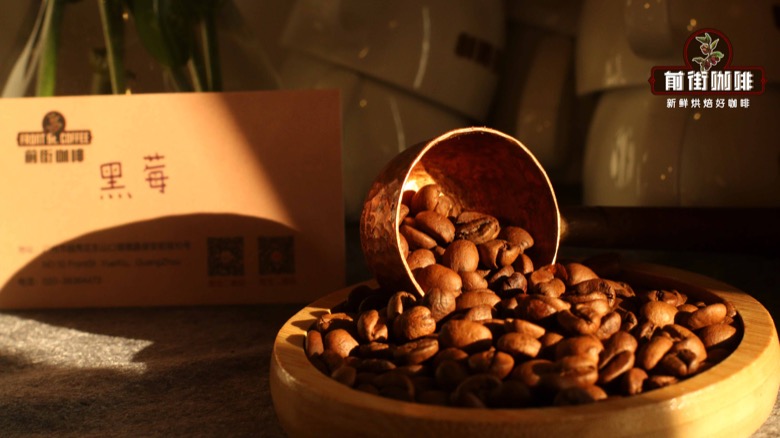
If your usual equipment, drinking habits or taste change, you can also divide the three beans into daily and exploratory categories: one for stable extraction, and another for experiencing the differences brought by floral and fruity notes, nutty and cocoa notes or processing methods. Looking at commonly used equipment, drinking method and preferred flavors together makes bean selection clearer than looking at just one keyword.
Related Reading



Comments (0)
Loading comments...
You May Be Interested



Trending Reviews
Popular Videos

With you, wherever you are! We provide useful features to help you find new things you'll love






