Source:Best Coffee > News Author:qjroot Published:2026-01-10 13:11:56

The coffee beans we usually come across are all roasted; roasting brings out the alluring aroma of coffee beans, and different roast levels give different impressions. In this issue, FrontStreet Coffee introduces several methods for judging the coffee roast level.
1. Visual Observation
Based on the roast levels we usually encounter, coffee can be divided into light roast, medium roast and dark roast.

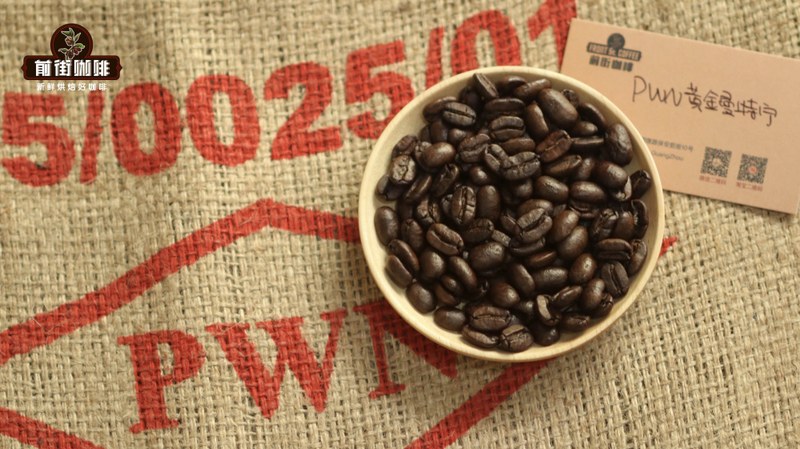
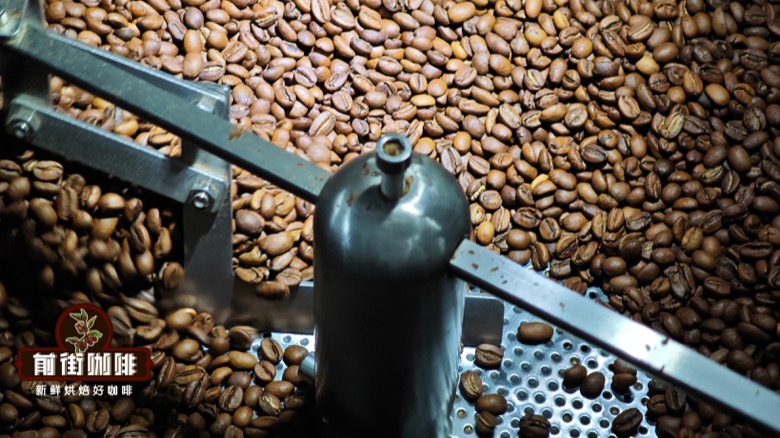
Generally, the color of green coffee beans is light yellow or pale green. After roasting, the color becomes darker and darker. Light-roasted coffee beans are generally light brown, with obvious wrinkling on the surface; medium-roasted coffee beans are slightly darker, a deep brown, with gentler wrinkling on the surface. Dark-roasted coffee beans have a black surface and a smooth bean surface; some darker roasts even exude oils, making the bean surface glossy and shiny.

2. Judging by Taste
In fact, we can also judge the range of its roast level from the flavor description provided by the shop. Generally, if the coffee flavor is described as floral, citrus, berry and other fruit flavors, the coffee beans mostly belong to medium-light roast. Those described as maple syrup, sucrose, caramel and other sweetness-dominant notes are mostly medium roast. And those described as nut, cocoa, caramel, herbal and other bitter-dominant flavors are mostly medium-dark roast.
Of course, this way of classifying is not rigorous, but it works every time. The reason is that as customers, their understanding of coffee roasting is not too deep, nor do they need to understand it to the level of professionals. But coffee roasting is handled by professional roasters, and the flavor descriptions are the results of cupping by professional baristas, so the flavors expressed naturally have a relative basis, and using them as a reference is indeed a good judging standard.
So, is there any scientific method to determine the roast level of coffee? The answer is there really is.
3. Judging Roast Level by SCAA Color Value
In coffee roasting, there are several crucial points, one of which is first crack. Before first crack occurs, the beans can be considered not yet "done". When first crack begins and becomes intensive, and after it ends there is a quiet period of 1-2 minutes, then second crack arrives. The later the beans are dropped after first crack, the darker the roast level.
SCAA uses infrared caramelization measuring device technology (Agtron) to measure the color of coffee beans to determine the roast level of coffee, and divides the color from light to dark into eight equal parts made into eight standard color chips, for the coffee industry to use as a roast identification.

Agtron color value #95: Light Roast
Drop time: As the intensive first crack is about to end
Agtron color value #85: Cinnamon Roast
Drop time: Around the end of first crack
Agtron color value #75: Medium Roast
Drop time: After the end of first crack
Agtron color value #65: High Roast
Drop time: The quiet period between first and second crack
Agtron color value #55: City Roast
Drop time: The start of second crack
Agtron color value #45: Full City Roast
Drop time: Before the intensive second crack
Agtron color value #35: French Roast
Drop time: During the intensive second crack
Agtron color value #25: Italian Roast
Drop time: Oils begin to seep onto the bean surface

So, how does this relate to the light roast, medium roast, and dark roast we often talk about?
Since some coffee enthusiasts are not very familiar with the SCAA's Agtron standard, these eight major categories can be grouped into four for understanding.
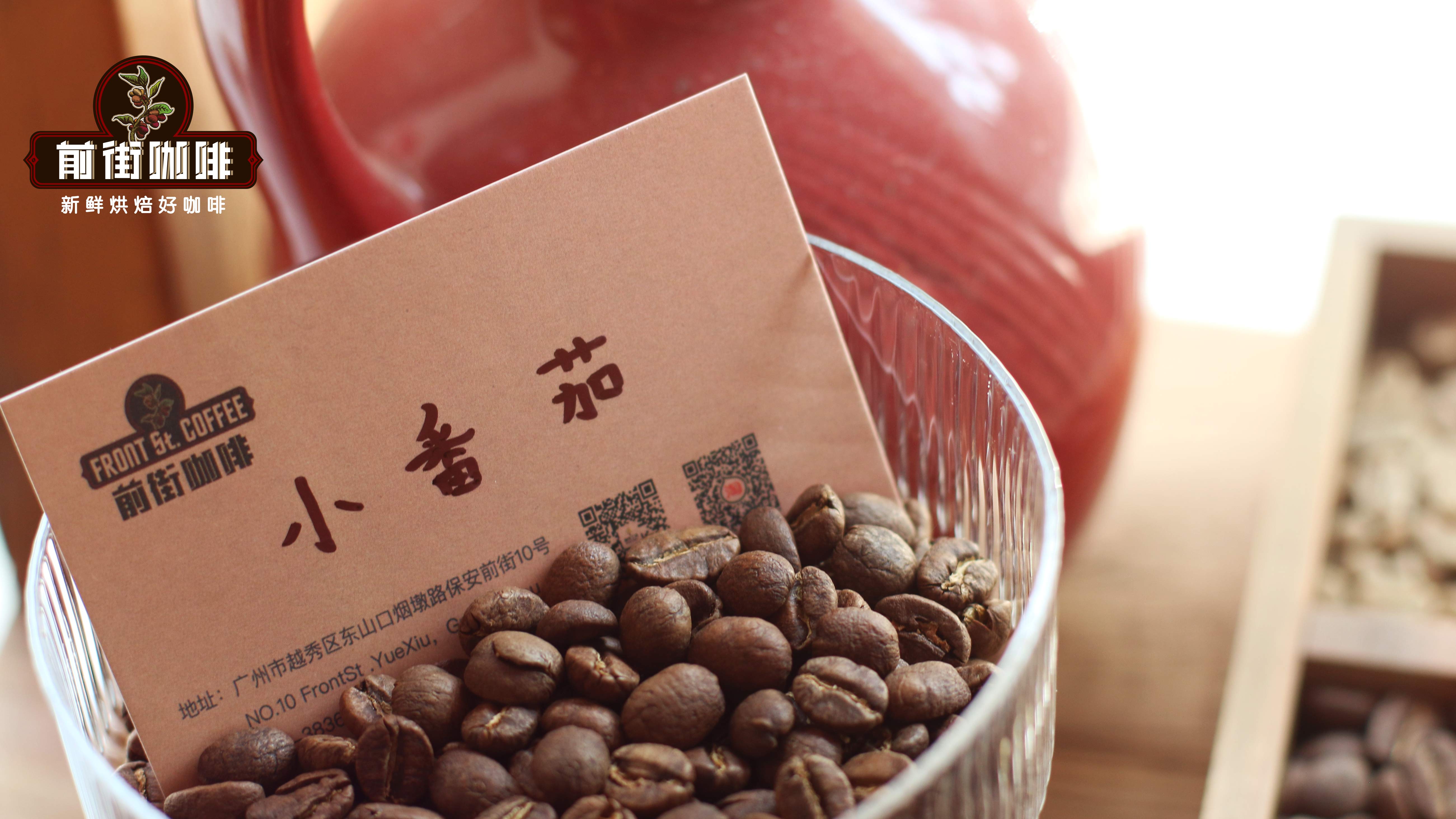
Light roast (highlighting fruity acidity and floral and fruity aromas): Light Roast, Cinnamon Roast. Recommended: Qianjie Guodingding coffee beans, Qianjie Hua Kui coffee beans, Qianjie Little Tomato coffee beans;
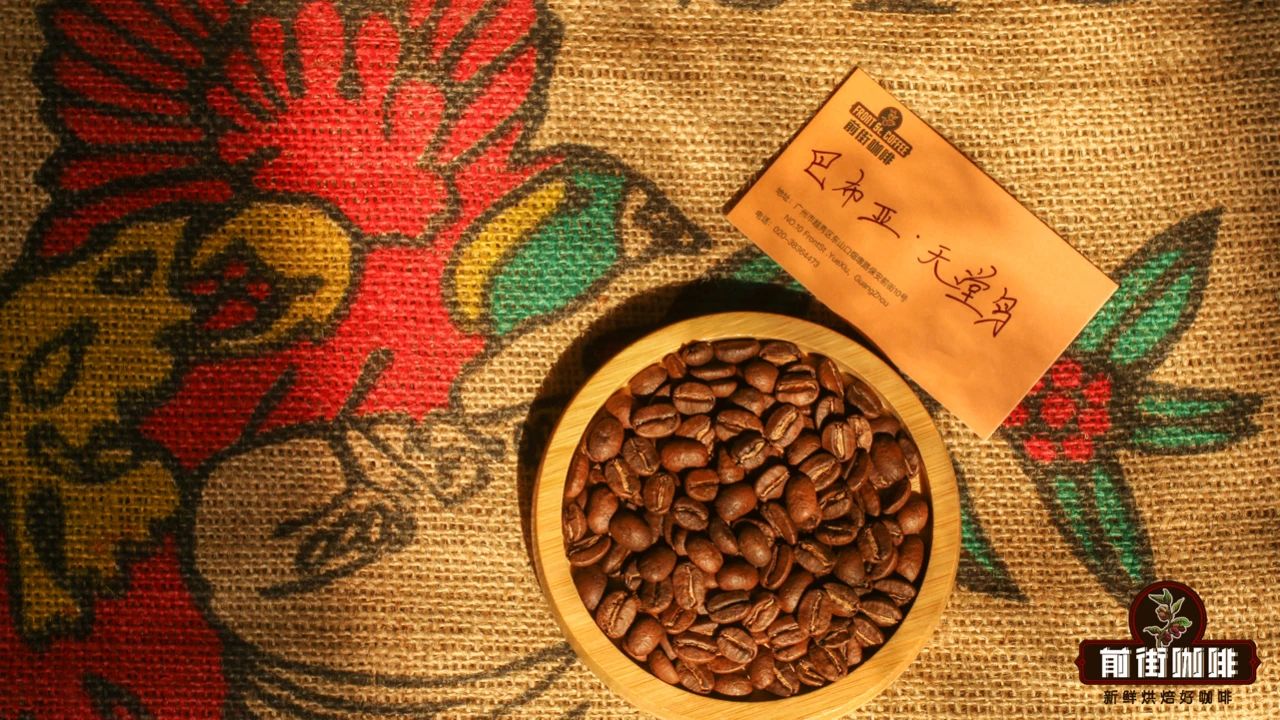
Medium roast (increased sweetness, balanced): Medium Roast, Medium-Dark Roast. Recommended: Paradise Bird coffee beans, Qianjie Brazil Queen's Estate coffee beans, Qianjie Jamaica Blue Mountain coffee beans;
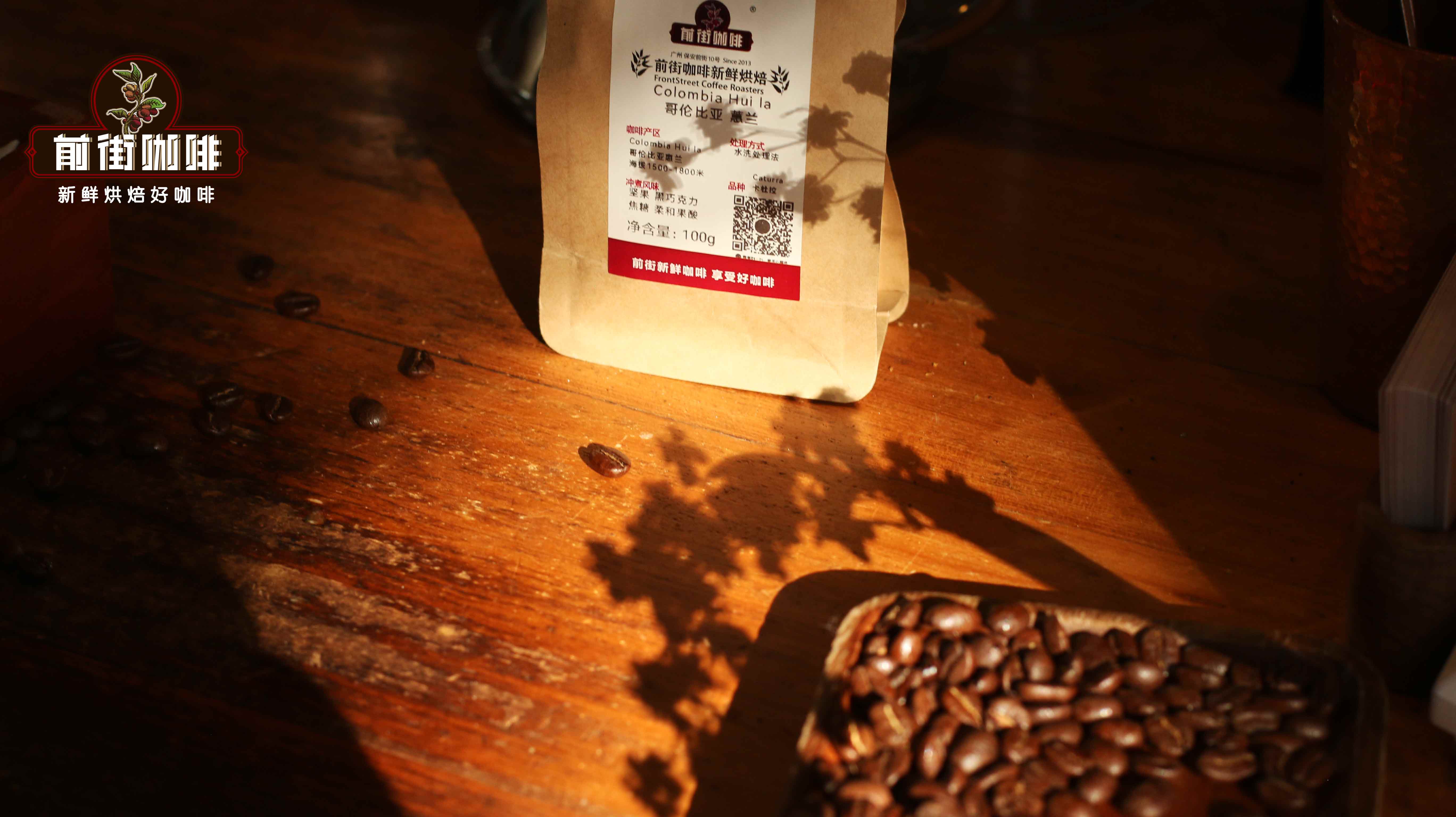
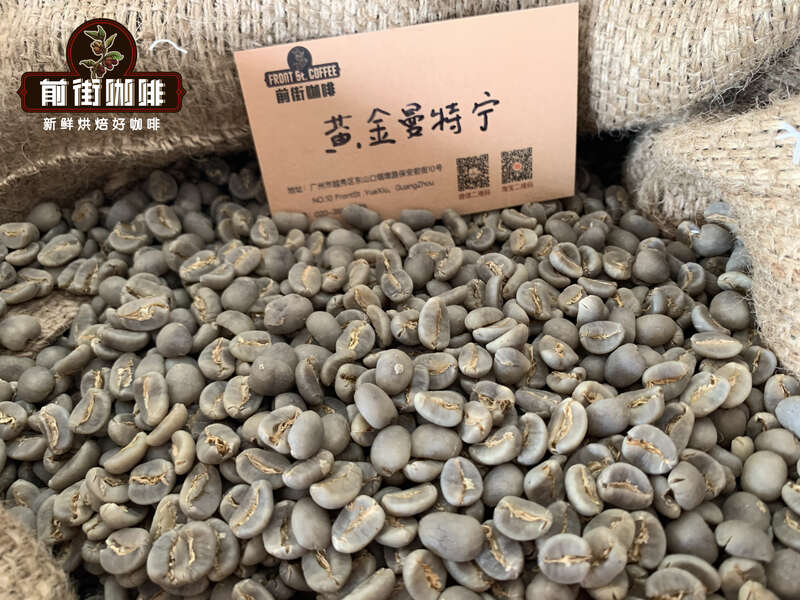
Medium-dark roast (maximizing sugar conversion, sweetness after bitterness): City Roast, Full City Roast. Qianjie Golden Mandheling coffee beans, Qianjie Colombia Huila coffee beans;
Dark roast (emphasizing both bitterness and body): French Roast, Italian Roast. Because this roast level reaches past second crack, the resulting coffee is very bitter, so it is rarely used on the market.
Related Reading


Comments (0)
Loading comments...
You May Be Interested


Trending Reviews
Popular Videos

With you, wherever you are! We provide useful features to help you find new things you'll love






