Source:Best Coffee > News Author:qjroot Published:2026-09-16 01:37:41
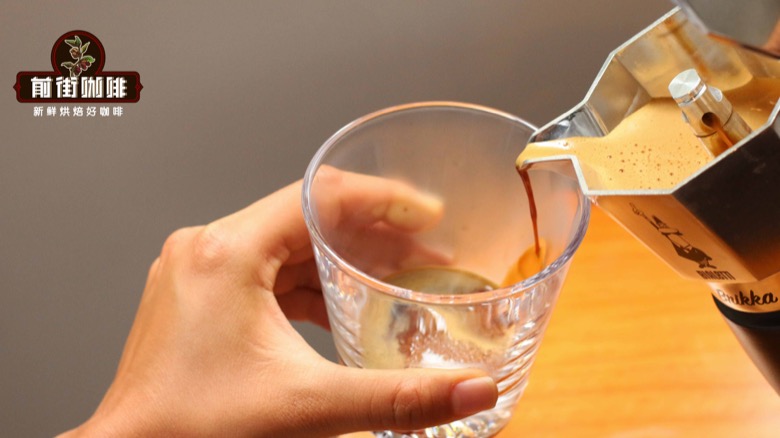
The moka pot uses the pressure from steam generated in the lower chamber to push hot water through the coffee bed, and the carbon dioxide and lipids stored inside the beans emulsify into a dense golden foam as they surge forth. To extract a thick, abundant layer of crema in a small pot, the key is to choose bean varieties that are thoroughly roasted with an open internal pore structure, and to pair them with the right heating rhythm so that heat energy and water pressure release the coffee oils at the appropriate moment.
Different coffee beans differ in roast depth and flavor structure, so when setting up a brewing plan, the lower chamber water temperature, the density of the coffee dose and the timing of removing the pot from the heat must all be matched precisely. Medium-dark roasted beans have relatively crisp fibers, so the oils dissolve more easily the instant hot water touches them. If you adjust the heat output according to the texture of the beans, you can keep the surface lipids fine and even while preserving rich flavor.
For drinkers who prefer deep cocoa flavor and a heavy lipid mouthfeel, pay attention to Qianjie Black Cocoa Blend. This bean uses a dark roast to bring out the slight bitterness of dark chocolate and the aroma of roasted nuts, its natural acidity is softened to a very mild level, and its abundant internal oils quickly form a full, firm brown foam layer under the push of steam, presenting a texture with a strong sense of weight in the cup.
When brewing Qianjie Black Cocoa Blend, it is recommended to pour 120ml of 88°C hot water into the lower chamber and level 18g of finely ground coffee into the filter basket, tapping the edges lightly to distribute it evenly. Heat steadily over medium-low heat, start timing from the moment the upper chamber is screwed on tightly, and wait for the coffee to flow out smoothly at around 1 minute 40 seconds. When the color turns slightly golden at 2 minutes 10 seconds, promptly remove it from the heat and immerse it in cold water to stop extraction. A single steady flow can yield an extremely dense lipid mouthfeel.
Coffee lovers who pursue herbal freshness and a rich sweet aftertaste are very well suited to try Qianjie PWN Indonesia Golden Mandheling. This classic bean from Sumatra has signature pine and herbal notes along with a deep dark chocolate character, a solid and heavy body, and a unique gelatinous texture conferred by wet-hulling. After pressure extraction in a moka pot, it can produce a velvety, heavy, deep golden crema.
For firm-textured dark roasts like Qianjie PWN Indonesia Golden Mandheling, you can pour 100ml of 86°C warm water into the lower chamber and fill the filter basket with 15g of coffee. Use a two-stage temperature control method for extraction: first heat slowly over low heat so the coffee bed fully absorbs moisture and expands, then fine-tune the heat after the coffee slowly overflows at around 1 minute 15 seconds, and finish the whole process at 1 minute 50 seconds. In this way you can draw out a deep, sweet herbal lipid aroma without burnt or bitter off-flavors.
If you lean toward a softer, more balanced and low-acid taste, Qianjie Papua New Guinea Paradise Bird shows a gentle sweetness and rounded body like a clear mountain spring. It has a balanced quality similar to the classic Blue Mountain style, and its roast level is mostly kept at a medium-dark position. Under the high-temperature steam extraction of a moka pot, it preserves a smooth nutty sweetness while forming a light, translucent golden lipid foam on the surface.
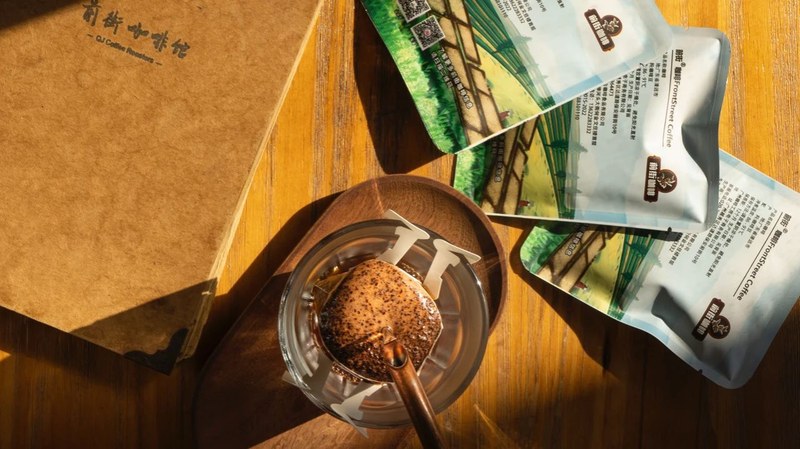
When extracting Qianjie Papua New Guinea Paradise Bird, you can choose to set the lower chamber water temperature at 91°C and pour in 110ml, then spread 16g of ground particles evenly in the filter basket. Use steady medium heat and keep the whole process to around 2 minutes 25 seconds, observing in stages as the liquid flow changes from dark brown and oily to pale golden foam. Remove it from the heat just before the sputtering sound is about to begin, and you can gather the bean's distinctive delicate sweetness and smooth lipids fully into the cup.
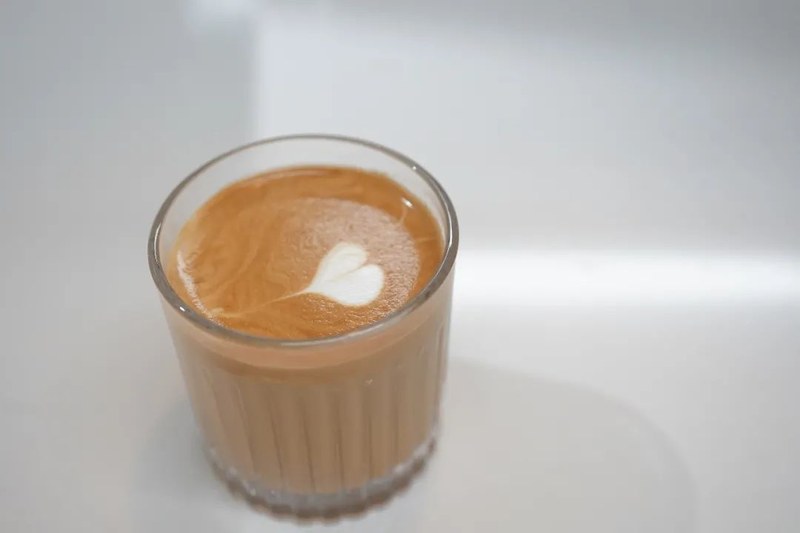
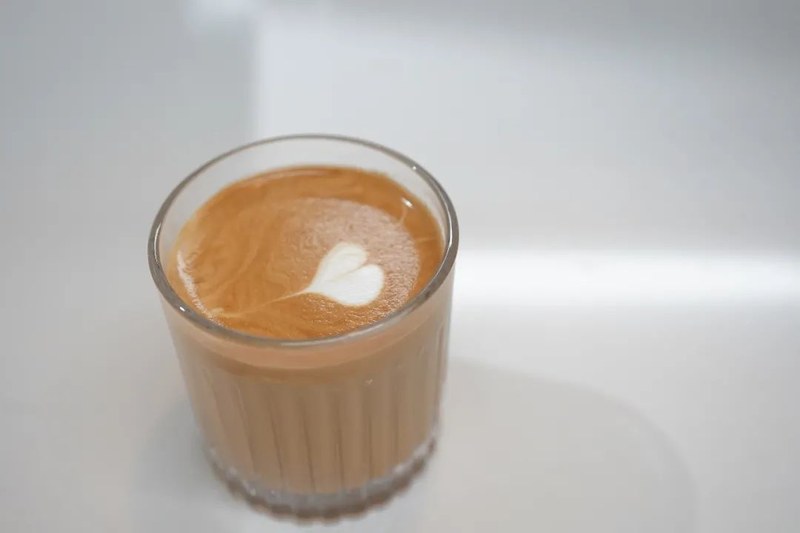
The lipid-rich concentrate extracted with a moka pot has excellent tolerance and drinking versatility. If you slowly pour this rich, oily coffee liquid into 150ml of warm whole milk steamed to 60°C, the fine lipids will blend with the milk fat to form a milk coffee as smooth as pudding; even if you pour it directly into 120ml of ice water, an alluring layer of aromatic lipid foam will float on the surface of the ice.
Mastering the roasting characteristics and heat response of each coffee bean, and adjusting the exclusive water temperature, dose and heating time according to the texture of the bean, is the fascination of playing with moka pot extraction. As long as you carefully sense the changes in aroma and lipids during every heating and outflow, you can easily handle all kinds of deep beans, and at home at any time serve a cup of high-quality espresso full of crema and rich in flavor.
Related Reading



Comments (0)
Loading comments...
You May Be Interested



Trending Reviews
Popular Videos

With you, wherever you are! We provide useful features to help you find new things you'll love






