Source:Best Coffee > News Author:qjroot Published:2026-10-09 18:35:17
Every morning when I walk into the kitchen, the first thing I do is turn on the grinder. I've kept this habit for over a decade, not because of any sense of ritual, but because I know full well: once coffee beans become grounds, time starts racing against them. Many friends who come to the shop to buy coffee ask me whether the shelf life of ground coffee and whole beans is the same, and whether the one-year shelf life printed on the package is actually reliable. My usual answer is: shelf life is the safety line, the flavor window is the taste line, and the distance between these two lines is pulled especially close in the case of ground coffee.
Coffee beans themselves are like a sealed little warehouse, with carbon dioxide and aromatic compounds locked inside the cellular structure; even after the degassing period following roasting, flavor loss is relatively slow. But once ground, the surface area instantly expands by hundreds or thousands of times, and the aromas that would originally take weeks to dissipate can largely escape within days. I did a simple comparison experiment with the same Qianjie Yirgacheffe Red Cherry: one portion was ground and brewed fresh on day 5 after roasting, and the other was pre-ground 3 days in advance. The freshly ground cup had a soft citrus acidity and creamy chocolate richness with distinct layers, clear sweetness and very mild bitterness; the pre-ground cup had only a faint coffee taste left, like a cup of tea that had been steeped a bit too long. This gap is especially obvious in naturally processed, medium-roast beans, because natural beans themselves have richer floral and fruity aromas, and it is especially heartbreaking when those fade.
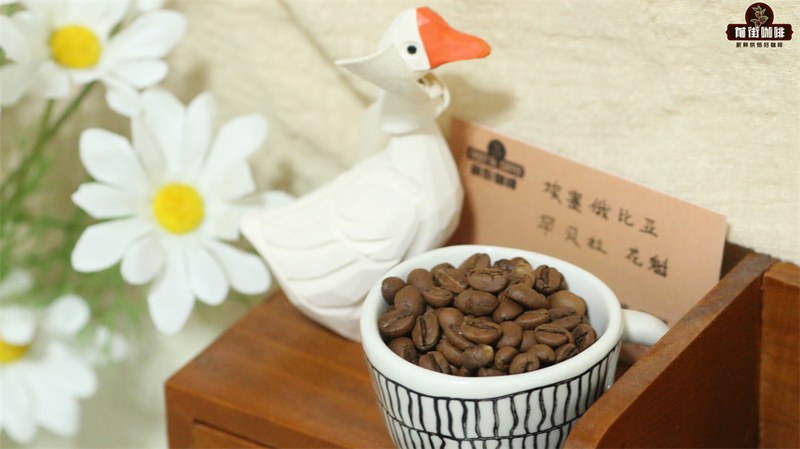
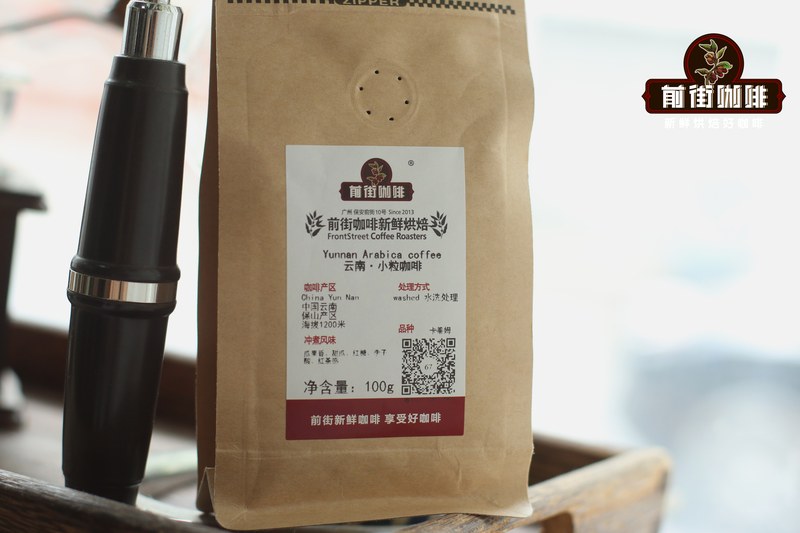
So for friends who don't have a grinder at home, I always suggest giving priority to pre-ground products like drip bags, but you must check the roast date and drink them as soon as possible after receiving them. Qianjie's beans are all controlled within 5 days after roasting, ready to brew once opened, and the flavor is more complete if finished within a month. If it's a drip bag, such as Qianjie Yunnan Small Grain Drip Bag, this washed Arabica carries flavors of brown sugar, nuts and ripe plum, with a hint of black tea in the finish; after pre-grinding, the flavor window is only about a week. Beyond that time, the caramel note weakens and the soft acidity becomes blurred. The situation with the Qianjie Granja Geisha Drip Bag is similar: the yellow peach, apricot and bright floral notes of this natural heirloom Geisha are almost two different cups of coffee on day 3 and day 7 after grinding.
The advantage of grinding fresh lies in the timeliness of aroma release. At the moment of grinding, the cell walls rupture, and aromatic compounds begin to escape rapidly as volatiles, with noticeable decline perceptible within 15 minutes. This is why cafes insist on grinding fresh: it's not fussiness, it's physics. If you have a grinder at home, grinding per cup is the ideal state: 15g grounds, paired with 225g water, water temperature controlled at 90 to 93°C, 30 seconds of blooming, total extraction time about 2 minutes; this can fully present the condition of the in-season beans. Qianjie Strawberry Candy Espresso Blend, this medium-roast blend, brings together Arabica from three origins: Colombia, Costa Rica and Ethiopia. When ground fresh, the rose floral aroma and the sweetness of grapes and dried blueberries rush forward, and its low-bitterness, slight-acidity character can also be clearly captured in pour-over.
Of course, I completely understand that not everyone can keep a grinder at home. Business trips, the office, dormitories; in these situations, pre-ground products or drip bags are the practical choice. In that case, my advice is to compress the time the grounds are exposed to air as much as possible. After opening the package, don't leave it open; use a sealing clip or transfer it to a container with a one-way degassing valve, and keep it away from heat sources and direct sunlight. If the environment is humid, you can put it deep in a storage cabinet, but I don't recommend stuffing it into the refrigerator: condensation will make the grounds clump and actually accelerate oxidation. Only open the amount you'll drink that day; don't tear open all the drip bags in advance.
Ultimately, managing coffee freshness is one part of home coffee drinking that ordinary people especially deserve to put thought into. Once beans are ground, flavor is like fine sand in an hourglass: you can't hold on to it, but you can decide when to start the clock. Whether freshly ground or pre-ground, the key is to drink that cup while it's in good shape: full aroma, lively acidity and sweetness, and a clean finish. That is the bit of refinement within reach in everyday coffee.
Related Reading
Comments (0)
Loading comments...
You May Be Interested

Trending Reviews
Popular Videos

With you, wherever you are! We provide useful features to help you find new things you'll love






