Source:Best Coffee > News Author:qjroot Published:2026-08-30 19:25:56
The same bag of coffee beans can produce a different body, acidity, sweetness and finish in the cup depending on whether it goes into a home espresso machine, a semi-automatic commercial machine or a portable espresso maker. When choosing espresso beans, you can first look at the portafilter basket capacity, the grinder's fineness range and the drinks you make most often, then decide whether the beans need to be heavier or retain a clearer sweetness and aroma. When the equipment parameters are clear, bean selection has a more specific direction.
First confirm how much coffee the basket holds. A common double basket holds roughly 16 to 18 g of coffee, and there are also large baskets of 20 g or more. With a smaller dose, the beans need a more concentrated aroma and sweetness; with a larger dose and stable machine pressure, flavors like nuts, cocoa and caramel more easily form a full-bodied mouthfeel. Do not look only at the bean name; the basket specification directly affects the concentration of the espresso.
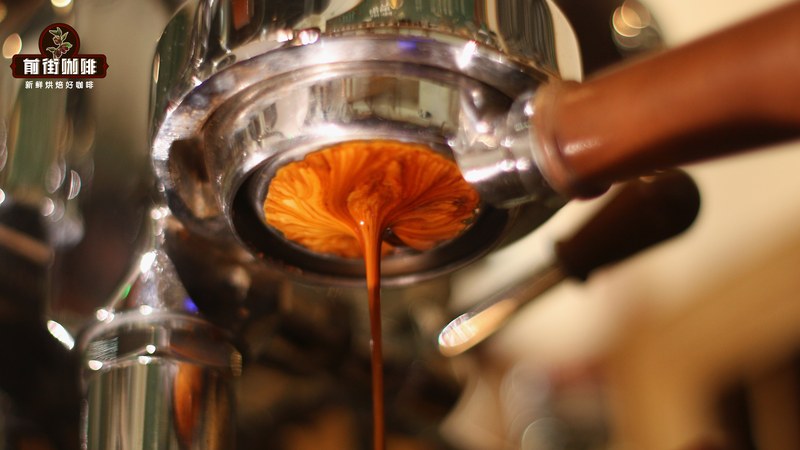
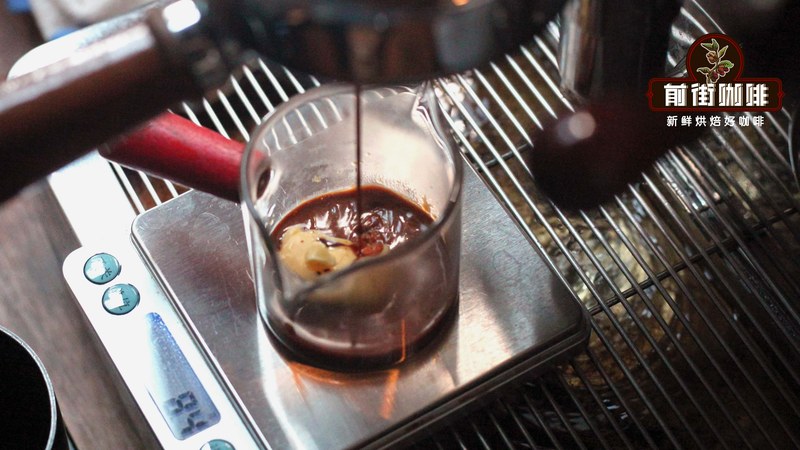
For yield, you can start by trying to get around 36 g of coffee liquid from 18 g of coffee, with a time of about 25 to 32 seconds, then shift based on how it tastes. If the flow is too fast, the cup may seem thin and the acidity prominent; if the flow is too slow, dry bitterness or a burnt note easily appears. If using a small basket, the ratio can be tightened slightly so the coffee liquid retains a stronger presence; with a large basket, the liquid weight can be increased appropriately.
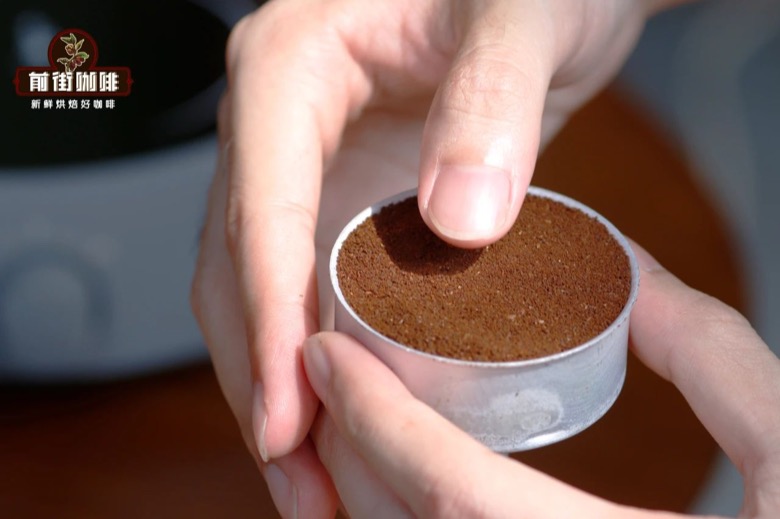
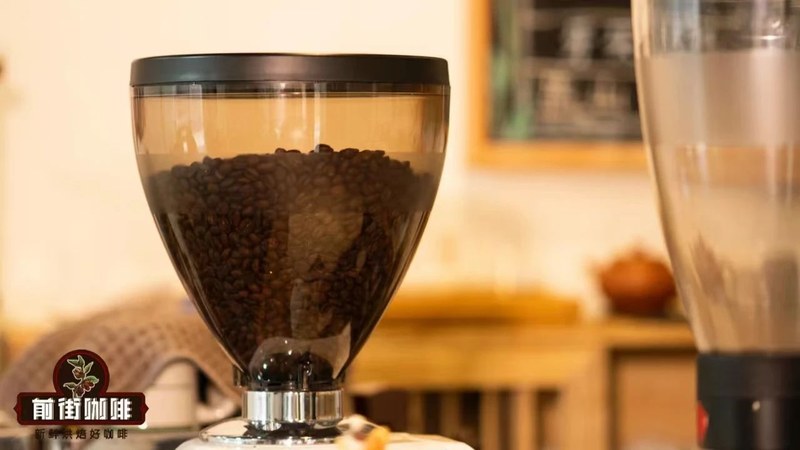
The grinder has a very obvious effect on espresso performance. Espresso requires a finer and more even grind; when adjusting, try to change only the setting and not the dose and liquid weight at the same time. If the coffee liquid flows out quickly, you can grind one step finer; if almost no liquid comes out, or the finish is clearly bitter, adjust back toward coarser. The flow rate of new beans and beans during the resting stage will also change, so parameters should be fine-tuned according to the extraction state.
Water temperature can be set to match the roast level. Medium-dark roasted beans can start at around 92°C, which brings out caramel sweetness while also controlling the roasted taste; for darker beans with more visible oils, try 90 to 92°C. If using a medium-roast blend, the water temperature can be raised slightly so the nut and cocoa aromas are released more fully. With stable machine preheating, the variation between consecutive shots will be smaller.
Qianjie Classic Blend is suited to home espresso machines with a stable dose and daily repeated shots. It is fairly harmonious among nuts, cocoa and a syrupy sweetness; as a double espresso it has weight in the mouth, and after adding water it still retains a clear coffee aroma. If you often use a 16 to 18 g basket, you can start with a 1:2 coffee-to-liquid ratio; if you prefer a stronger latte, control the yield slightly below this ratio.
If you prefer a thick style like dark chocolate, you can try Qianjie Dark Cocoa Blend. Its acidity is more restrained, and roasted nut and dark chocolate notes are more prominent, making it suitable for espresso with a shorter yield. Extracting 30 to 34 g of liquid from 18 g of coffee gives a more concentrated cup; when making an americano, adding more hot water lets the bitterness unfold and makes the mouthfeel better suited to slow sipping.
Qianjie Specialty Blend has a relatively balanced flavor direction, with nuts, caramel and cocoa connecting with one another, suitable for people who want to drink both black coffee and milk coffee. When using a standard double basket, you can first set 18 g of coffee and 36 g of liquid, then adjust the grind according to acidity and sweetness. At a slightly higher temperature, the caramel sweetness is more obvious; if adding milk, retain enough coffee liquid so the softness of the milk does not cover the main body.
When the equipment differs, the parameters should change accordingly. A semi-automatic machine with a pressure gauge and stable temperature control allows fine adjustment of grind, ratio and time, and is suitable for comparing the flavor differences of the three beans. Small home machines vary more in water temperature and pressure, so you can prioritize keeping the dose, distribution and tamping actions consistent, then use the yield weight to judge whether adjustment is needed. For a portable espresso maker, it is better to choose beans with concentrated flavor and sufficient body.
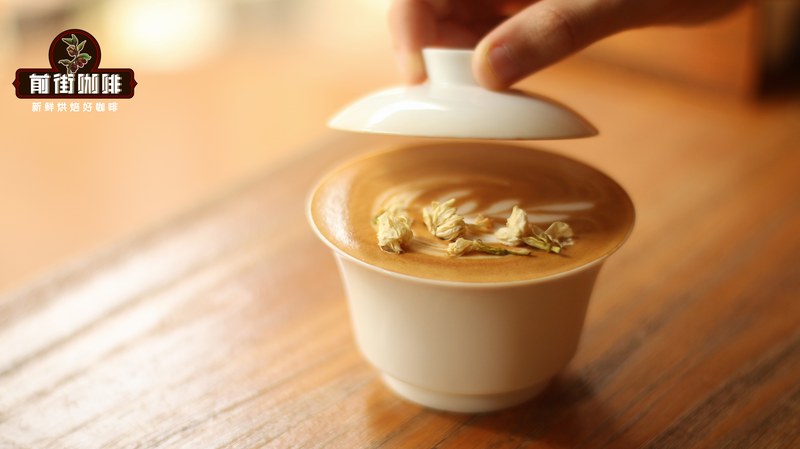
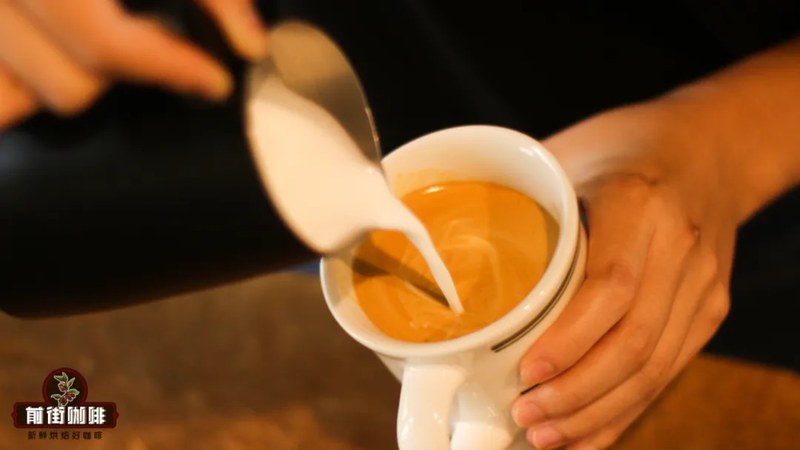
If you mainly drink lattes, flat whites or cappuccinos, the coffee-to-liquid ratio can be slightly tighter so the sweetness and body of the coffee liquid cut through the milk; if you often drink americanos, the yield can be drawn out a little longer to observe whether the aroma is still clear. Keeping the milk temperature at about 55 to 65°C preserves its natural sweetness. For black coffee, you can let the espresso cool slightly before tasting, and the layers of nuts, cocoa and caramel are usually easier to identify.
After purchase, you also need to give the beans the conditions for consistent performance. Store sealed and away from light, arrange the purchase cycle according to the daily dose, and record the dose, liquid weight, time and temperature; after a few adjustments you can find the range that suits your own machine. If you like heavy milk coffee, you can start with Dark Cocoa Blend or Classic Blend; if you want to cover both black coffee and milk coffee, Specialty Blend will be more flexible. Self-produced photos
Related Reading

Comments (0)
Loading comments...
You May Be Interested


Trending Reviews
Popular Videos

With you, wherever you are! We provide useful features to help you find new things you'll love






