Source:Best Coffee > News Author:qjroot Published:2026-10-10 13:06:04
The question I run into most often at the bar isn't how to brew, but whether a given bag of beans should be made as black coffee or with milk. The answer is actually hidden in the roast level. Lightly roasted beans have a tight internal structure, retain more floral and fruity acidity, and their aromatics tend to lift upward. For these beans I usually recommend black coffee. Take pour-over, for example: use 15g of grounds, a 1:15 coffee-to-water ratio, water at 90 to 93°C, bloom for 30 seconds first, and keep the total time to about two minutes. A V60 dripper can lay out the tropical fruit aromatics and berry sweetness of Qianjie Sidamo Natural Hamasho layer by layer, giving a full body and a long finish. Likewise, cold brew, drip bags, French press, and even direct drinking from a moka pot are all methods that let the acidity and aroma of light-roasted beans come through clearly, while milk would instead mask these delicate flavors.
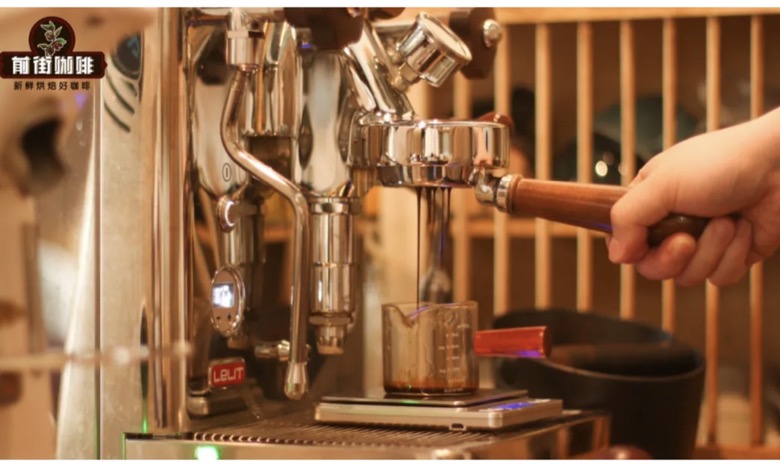
With beans roasted to medium or darker, the situation changes. Oils begin to emerge, sweetness comes out of the caramelization reactions, and body rises as well, which makes them perfect for espresso. For a double shot, use 19 to 20g of grounds, extract 38 to 40g of coffee liquid in 25 to 30 seconds, with about 3mm of crema; the creamy nut and chocolate aromatics of Qianjie Brazil Cerrado Red Bourbon will be pressed into a very concentrated form. After adding milk, the coffee-to-milk ratio is about 1:5, and the milk is steamed to 55 to 60°C; the microfoam is dense but doesn't steal the show, and the whole cup drinks balanced and smooth, without the coffee flavor feeling diluted thin by the milk. This is the advantage of medium-dark roasts for white coffee: the skeleton is sturdy enough that it still stands up after merging with milk.
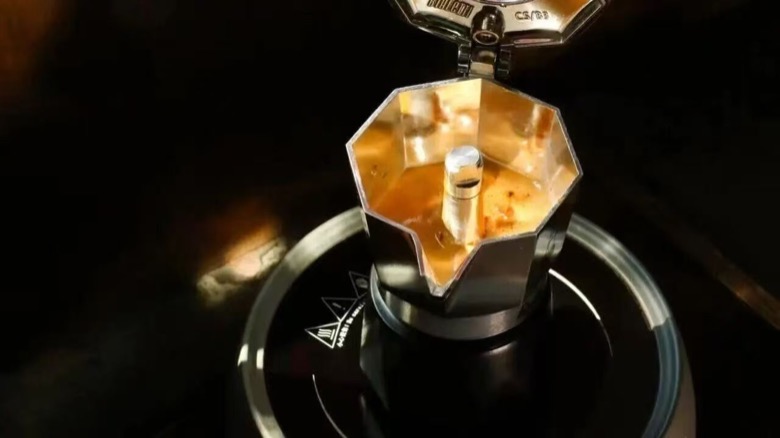
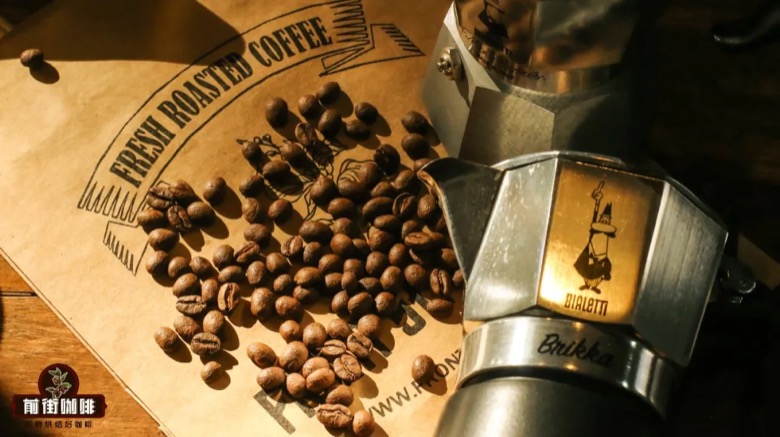
Beans from the same origin region can actually be used both ways, as long as the roast levels are kept separate. Qianjie Yirgacheffe Red Cherry SOE is a medium-roasted natural bean, with gentle citrus acidity paired with cream chocolate and cookie aromatics, clear sweetness and very light bitterness. This one I would only put in an espresso machine or moka pot to make espresso, then add milk for a flat white or latte; once the fruit acidity is softened by the milk, it instead becomes a highlight layer. But if it's the light-roasted version of Yirgacheffe, I wouldn't recommend making milk coffee with it; only pour-over or cold brew can fully unfold the citrus flavors. Qianjie's coffee beans are shipped fresh, all roasted within 5 days; medium-dark roasted espresso beans should rest 5 to 7 days after arriving before you start extracting, while pour-over single-origin beans should rest 3 to 5 days, and the flavor is better if drunk within a month.
When choosing beans, follow this line of thinking: if you want a refreshing black coffee, look for lighter roast levels, with natural or washed Ethiopia and Kenya as typical examples; if you want an easy-drinking white coffee, look for medium-dark roasts, and Brazil, Colombia, or blend beans are more reliable. Qianjie Strawberry Candy Espresso Blend brings together Arabica from three places, Costa Rica, Colombia, and Ethiopia, medium roasted, with rose florals plus grape, dried blueberry, and fruit candy flavors, prominent sweetness, low bitterness and slight acidity. This one is especially suitable for espresso with milk; the florals and fruit sweetness turn into a surprising candy-like finish in the milk, but if you use it for pour-over, it instead lacks that flavor explosion under espresso pressure.
In the black coffee family, pour-over is very good at articulating origin flavors clearly, while cold brew and French press have high fault tolerance and suit mornings when you're in a hurry; drip bags are a good office choice, with fixed parameters, and as long as the water isn't too hot, the acidity and aroma of light-roasted beans can be preserved. On the white coffee side, a latte has more milk, a cappuccino has thicker microfoam, and a flat white is a milk coffee with a very concentrated coffee flavor; when choosing beans, the body of a medium-dark roast can support these different ratios. The key is not to use them in reverse: forcing light-roasted beans into espresso with milk makes the milk easily suppress the aromatics, so it drinks like a cup of milk with some acidity; using dark-roasted beans for pour-over makes the bitterness and smoky notes too heavy, losing the delicate layers.
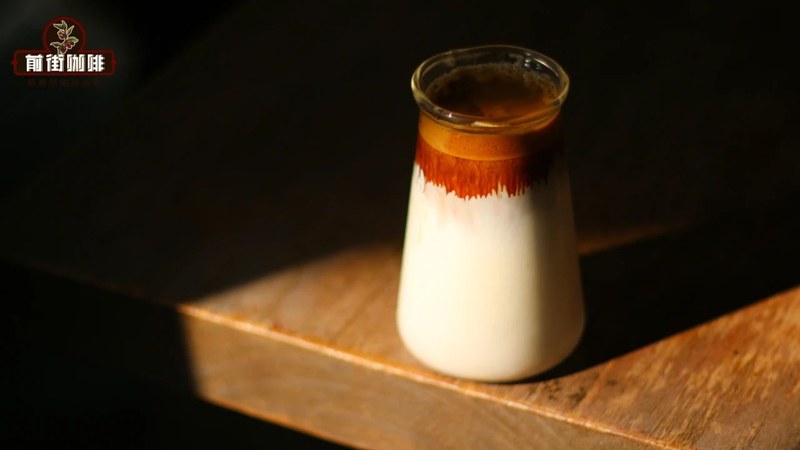
So my suggestion is: first decide clearly whether you want to drink black or white today, then look at the roast level label. Leave light-medium roasted beans for black coffee, giving the acidity, aroma, and floral-fruity notes a stage; hand medium-dark roasted beans over to espresso and milk, letting sweetness and body merge with the milk. In Qianjie's bean list, the line between single-origin beans and espresso beans is very clear, and choosing by this logic means home brewing will basically not go wrong. Memorize the parameters, be patient with resting the beans, and what's left is just fine-tuning the grind and water temperature; do it a few more times, and your tongue will naturally tell you the answer.
Related Reading


Comments (0)
Loading comments...
You May Be Interested


Trending Reviews
Popular Videos

With you, wherever you are! We provide useful features to help you find new things you'll love






