Source:Best Coffee > News Author:qjroot Published:2026-09-03 18:48:36
To brew a full-flavored, substantial cup with a moka pot, you cannot choose beans based only on the word "bold." The pot's capacity, the amount of grounds in the filter basket, the heating method and the drinking ratio all change how the coffee performs. A small pot is suited to presenting cocoa and nuts in a concentrated way, while a large pot needs more support from sweetness and aroma so the cup does not taste thin.
Start with the pot's capacity. A two-cup pot usually yields about 90 ml of coffee liquid at a time, suitable for drinking straight or with a small amount of hot water; a three- to four-cup pot yields more liquid and is often used to make lattes and flat whites. The larger the capacity, the more room the coffee liquid has to be diluted in the cup or blended with milk, so the beans need a clear aroma and a rich texture that lingers.
The amount of grounds in the filter basket is also worth noting. A moka pot does not rely on tamping to create resistance the way an espresso machine does; fill the basket and level it off. For example, a three-cup pot commonly uses about 15 to 18 g of coffee grounds, though in practice the filter basket's specifications should still govern. When choosing beans, prioritize balanced roasts and beans of moderate density; these are more likely to release a complete aroma under a fixed dose of grounds.
The grind size should match the moka pot's water flow path. If the powder is too fine, resistance increases as water passes through, and the coffee easily picks up burnt bitterness and astringency; if ground too coarse, the aroma and sweetness may seem loose. Usually you can start from a state close to fine granulated sugar, slightly coarser than espresso grounds, then adjust based on the flow speed and the mouthfeel, keeping the coffee liquid rich but not heavy.
The water amount is determined by the pot's design; usually fill to below the safety valve, avoiding a water level above the pressure-release position. Using hot water in the pot shortens the time on the stove and also reduces how long the puck is exposed to heat. If your stove concentrates heat strongly, it is advisable to use a heat source that conducts evenly and to advance slowly over medium-low heat, so that nutty, cocoa and caramel aromas enter the cup more steadily.
Small-capacity moka pots are suited to beans with concentrated flavor and soft acidity. Qianjie Brazil Queen's Estate is an easier starting point; on the palate you can feel a roasted nut and cocoa-like thickness, followed by a caramel-like sweet smoothness. Brewed in a two-cup pot and drunk straight, the aroma is concentrated; if you add a small amount of hot water, it also retains a smooth mouthfeel.
A three-cup or larger moka pot is often used for sharing or making milk coffee, and the beans' flavor needs good penetration. Qianjie Classic Blend carries nutty, chocolate and syrup-like sweet aromas, and the coffee liquid itself has a fair amount of body. When making a latte, you can reduce the proportion of milk so the coffee flavor stays in the foreground; when making an Americano, it is best to add water in stages and slowly find the concentration.
If you use a thick-bottomed pot, have a stronger heat, or are in the habit of brewing the coffee liquid darker, you can choose beans with restrained acidity and pronounced roasted tones. Qianjie Dark Cocoa Blend has more prominent dark chocolate notes and roasted nut character; paired with whole milk, the sweetness and smoothness become noticeable. When making an iced milk coffee, first pour the coffee liquid over ice cubes, then top up with cold milk, and the aroma will be more concentrated.
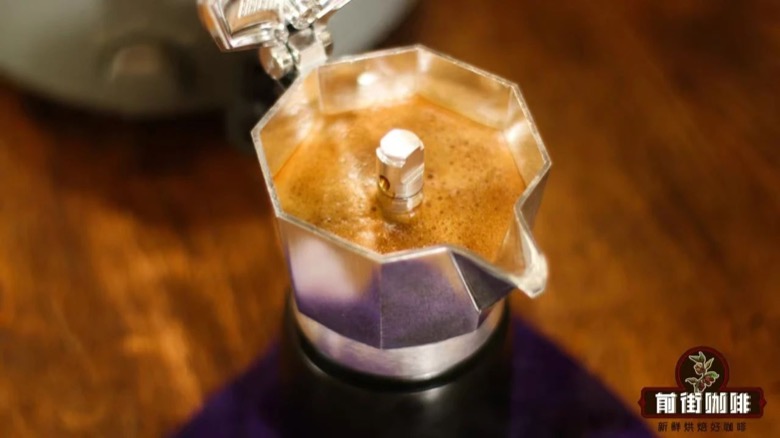
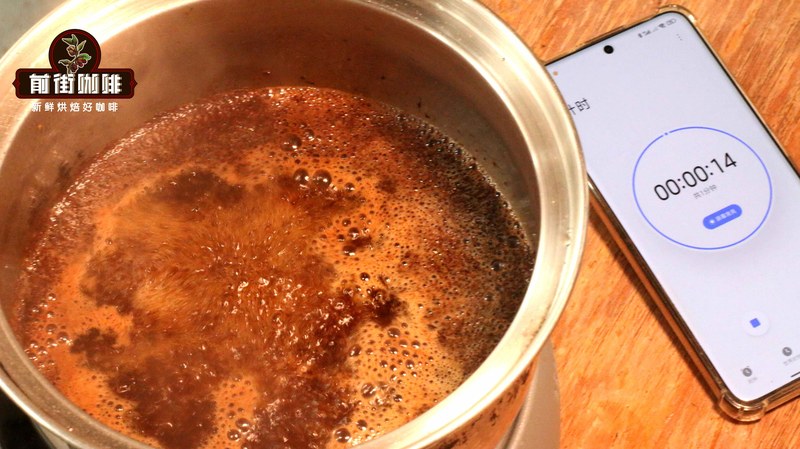
To judge whether the parameters are right, watch the color of the liquid and the changes in sound. At the start of the flow the color is usually darker, then gradually lightens; when the coffee liquid sputters noticeably, or the pot makes a continuous bubbling sound, it means the heating stage is near its end. At this point, promptly remove it from the heat and run cold water over the base of the pot, which helps stop the residual heat from continuing to extract and prevents the aroma from being covered by bitterness.

The storage condition of the beans also affects how you judge the parameters. After opening, let the coffee beans stabilize for a few days in a cool, dry place, then test with a fixed dose of grounds and grind size; it will be easier to tell whether a change comes from the beans' style or from the setup of the equipment. The moka pot's advantage is that it is direct to operate; once you find the combination that suits your own pot, rich coffee can reliably appear at breakfast, afternoon tea or milk coffee time.
Related Reading





Comments (0)
Loading comments...
You May Be Interested





Trending Reviews
Popular Videos

With you, wherever you are! We provide useful features to help you find new things you'll love






