Source:Best Coffee > News Author:qjroot Published:2024-12-06 18:40:36
Recently, according to Vietnamese media reports, the Asian International Coffee Conference was held in Ho Chi Minh City, Vietnam. During the event, the Vietnam Coffee and Cocoa Association (VICOFA) reported that Vietnam's 2024/25 coffee crop output is expected to reach 28 million bags, an increase of 1 million bags over the previous forecast, but a decrease of 5%-7% compared with the previous season.
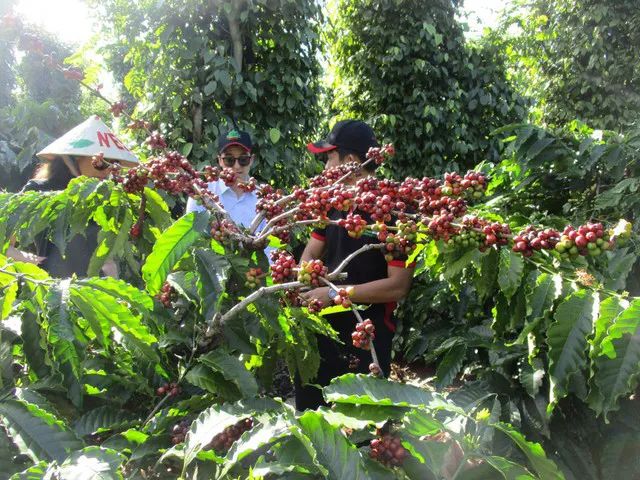
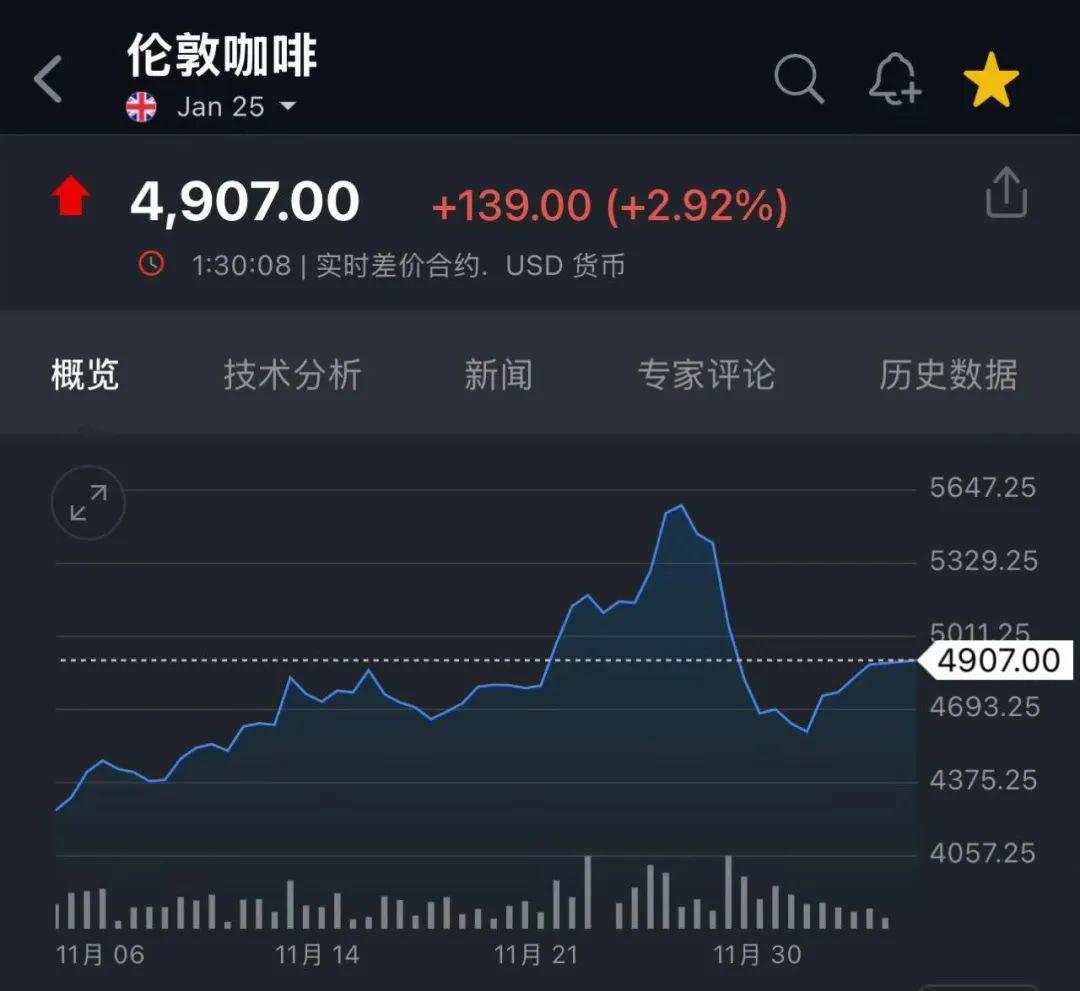
Due to coffee supply shortages in Brazil and Vietnam, the strength of the US dollar against the Brazilian real, and rising transportation costs, Robusta and Arabica coffee futures prices rose sharply at the end of December. But by early December, coffee sales activity in Vietnam increased, traders began selling off inventories, and in Brazil, exchange rate issues prompted Brazilian exporters to sell coffee at favorable exchange rates, increasing supply, so futures prices began to fall.
However, recently, even though Vietnam reported that its coffee output would increase, Robusta coffee futures prices still rose significantly, reaching 4,907 USD/tonne. Not only Robusta coffee, but Arabica coffee futures prices also rose, with an increase of 3%, currently at 315.75 cents/lb. In addition, some analysts believe that with the recent market volatility, the price of Robusta coffee may rise to 5,000 USD/tonne.
In line with the rise in world prices, coffee prices in Vietnam's domestic market also rebounded, with Robusta coffee prices in the Central Highlands reaching nearly 115,000 Vietnamese dong/kg, up 5,000-6,000 Vietnamese dong/kg from the previous season.
This also drove growth in Vietnam's coffee revenue. According to data from the Vietnam Coffee and Cocoa Association, in the first 11 months of 2024, Vietnam's coffee export volume was nearly 1.2 million tonnes, with export value reaching 4.84 billion USD. Compared with the same period in 2023, although export volume fell by 15.4%, revenue increased by 32.8%.
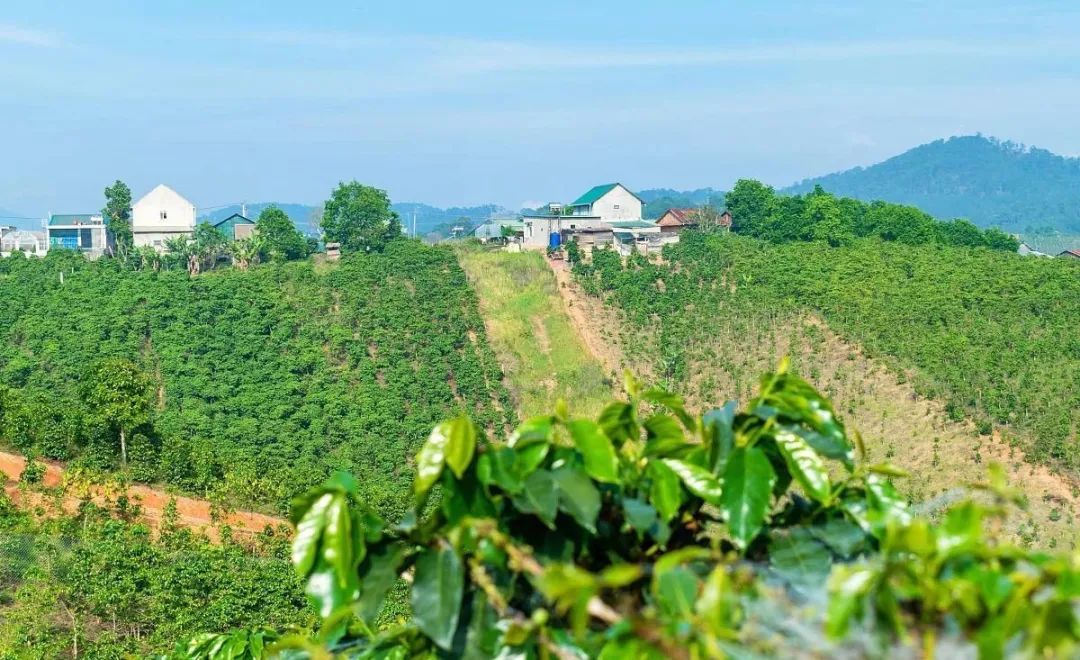
However, even though prices remain high, the sharp fluctuations and unusual swings make prices impossible to predict, which has deterred traders from making purchases rashly, and some coffee farmers have also remained cautious, hesitant to sell their coffee beans rashly. Ultimately, in November of this year, Vietnam's coffee export data showed a decline in both export volume and revenue for the first time compared with the same period last year.
It is reported that in November, Vietnam exported a total of 50,605 tonnes of coffee beans, generating revenue of 250.4 million USD, with an average unit price of 4,947 USD/tonne. Compared with the same period last year, coffee export volume fell by 47.4%, and revenue fell by 0.5%.
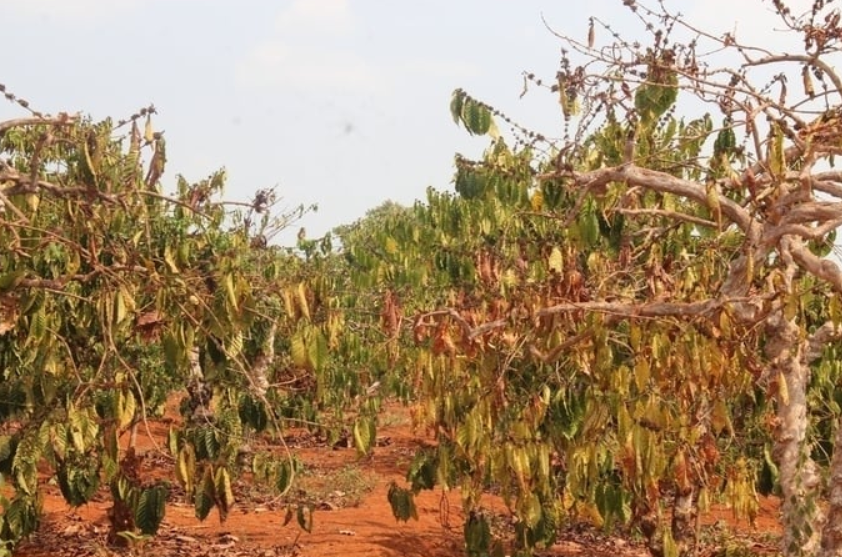
Since the start of this year, Vietnam has been suffering from severe weather. Early in the year, Vietnam experienced a severe drought, which caused the riverbeds of multiple reservoirs to dry up and crack, and groundwater resources were insufficient, causing coffee trees and other plants to wither and their leaves to turn yellow and fall, seriously affecting their yields.
In the second half of the year, the drought was alleviated with the arrival of the rainy season, but because the drought caused severe damage to the plants, the Vietnam Coffee Association believes that yields cannot fully recover and will still decline by about 10%. In addition, Vietnam was hit by multiple typhoons in succession from September to October. Fortunately, the typhoons did not make direct landfall in the coffee-producing areas, but they brought heavy rainfall and strong winds, so yields may fall by 5%-7% compared with the previous season.
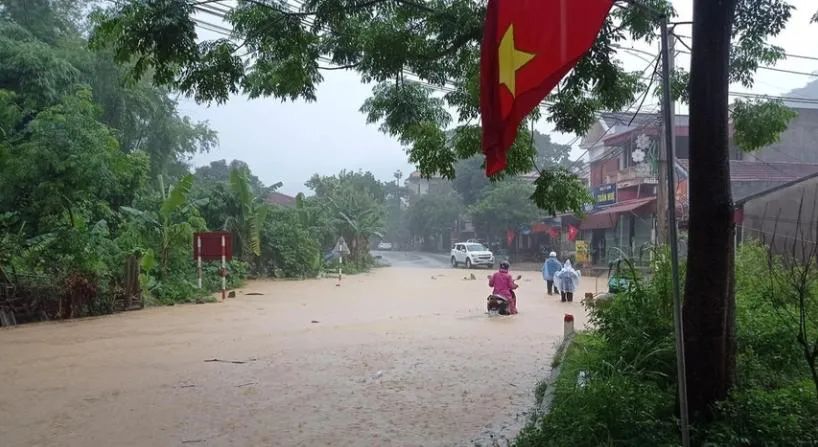
Currently, Vietnam has entered the harvest season, but for some time the main coffee-producing regions in Vietnam have been experiencing moderate to heavy rain, so harvesting work has been relatively slow. In addition, Vietnam's coffee industry still faces many challenges at present, the geopolitical situation is unclear, and continued tensions in the Red Sea have driven up freight costs, bringing many difficulties and risks to local coffee enterprises and import-export businesses. Therefore, coffee farmers are currently in no hurry to sell their coffee, and they hope to push prices higher through limited coffee supply.
To learn more coffee origin news and information, please scan the QR code to follow: Kaping
Long-press the QR code to follow:

Related Reading



Comments (0)
Loading comments...
You May Be Interested
2024-08-17

Trending Reviews
Popular Videos

With you, wherever you are! We provide useful features to help you find new things you'll love






