Source:Best Coffee > News Author:qjroot Published:2024-07-21 19:03:12
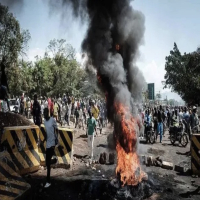
According to a report on July 20 by local Ethiopian media, the Darra district in the North Shewa Zone, not far from the Ethiopian capital, has been continuously affected by armed conflict between Fano forces and government troops.
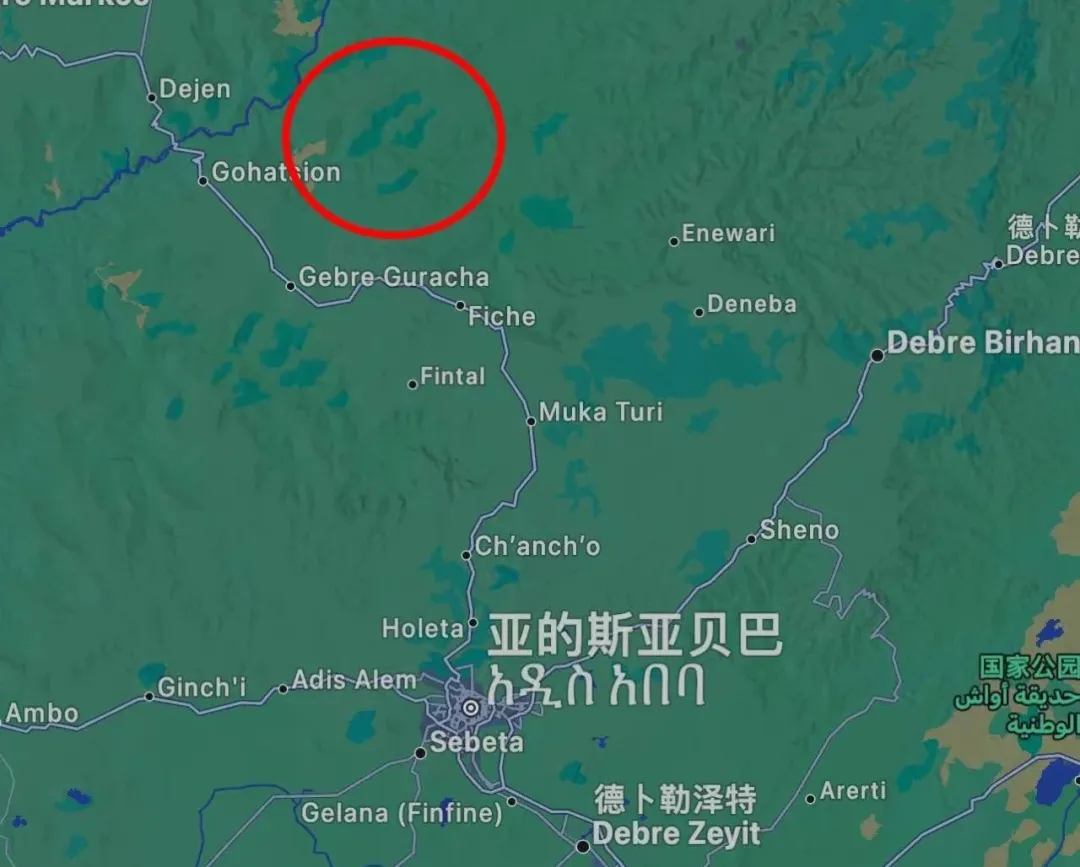
According to reports, 3 civilians have been killed and many injured so far, while residents say the area has long been a battlefield between Fano forces and the Oromo Liberation Army, as well as between various armed groups and government troops. For safety reasons, residents have been evacuating on a large scale, and many families have been displaced.
In fact, over the past year or so, the Ethiopian government has repeatedly mobilized and deployed troops on a large scale to Ethiopia's Amhara region, intending to suppress the Fano forces there, but has always failed. It has also extended the fighting into the Oromia region where the capital is located. At the same time, clashes between various armed groups and government troops in West Oromia continue to cause casualties, leading to increasingly severe massacres and abductions here.
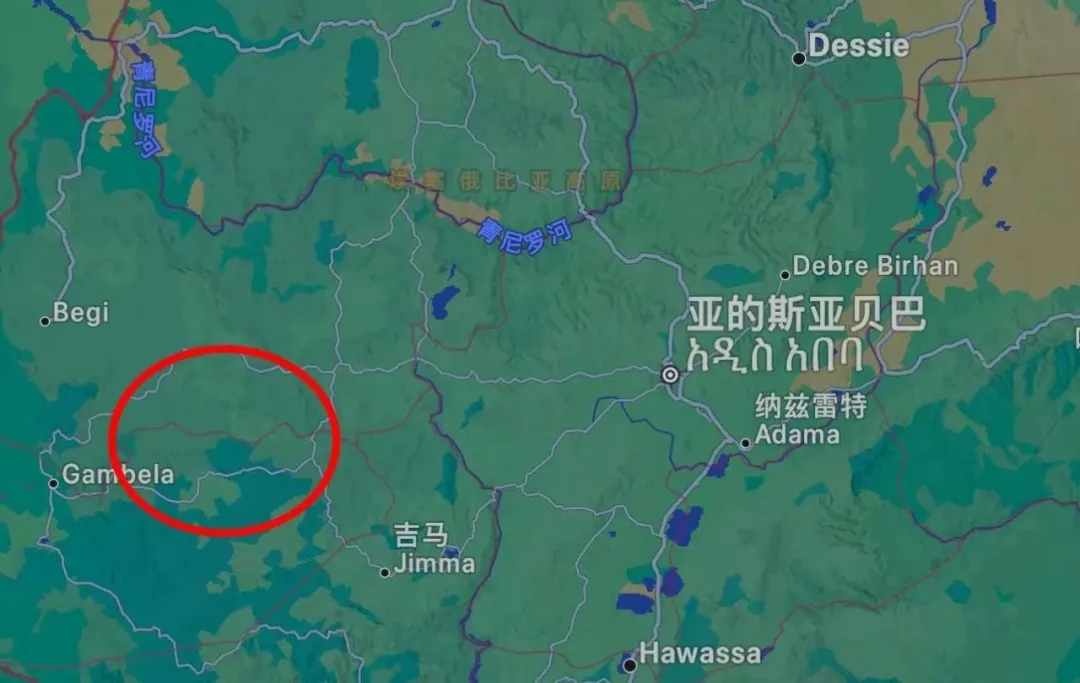
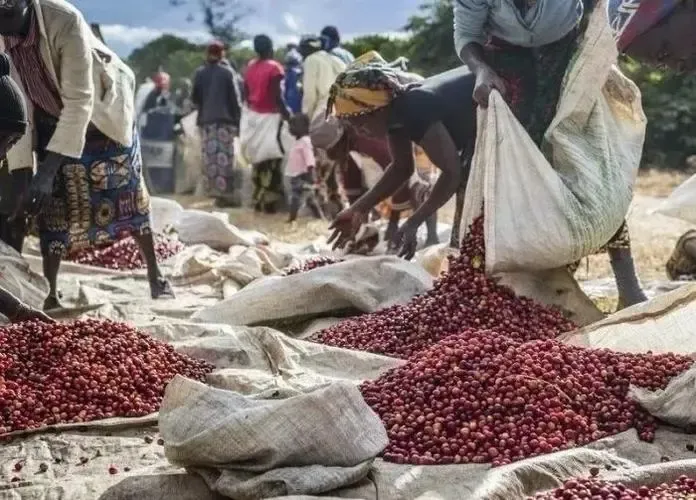
At present, conflicts continue in many parts of Ethiopia, which will severely affect the country's economy, causing losses to its infrastructure, production capacity and supply chains, restricting production and business activities, and damaging multiple industries including coffee and tourism.
In addition, Ethiopia's export problems are severe. Because neighboring Somalia is also unstable, according to reports, a conflict occurred in Galmudug State of the Federal Republic of Somalia.It is alleged that two trucks carrying Ethiopian firearms and weapons were suspected of being illegally transported into the central region of the Federal Republic of Somalia, so the Somali government sent National Intelligence Security Agency (NISA) troops to investigate and seized this batch of weapons.
And when Somalia's National Intelligence Security Agency (NISA) troops were transporting the firearms to the capital Mogadishu, they were intercepted and robbed by militia forces in Galmudug State, and an armed conflict occurred. According to reports, 10 members of the National Intelligence and Security Agency, including a senior officer, were killed, and the militia successfully seized two trucks carrying Ethiopian firearms.

According to the Somali government, these firearms were illegally smuggled from Ethiopia, and the batch included a cumulative total of about 4,000 machine guns, rifles and other weapons, along with a large amount of ammunition. However, the Ethiopian government has so far issued no comment.
In recent times, ongoing local armed conflicts in Ethiopia, as well as issues such as the Red Sea crisis, have affected the country's coffee exports. The port of Djibouti has long been the only port for all of Ethiopia's cargo exports, but that port has been affected by the Red Sea crisis.
In March of this year, MSC, the shipping company that accounts for 80% of the port of Djibouti's business, suspended its shipping services at the port. Although services later resumed, the number of sailings decreased. But by early July, MSC said it would completely suspend its operations at the port of Djibouti.
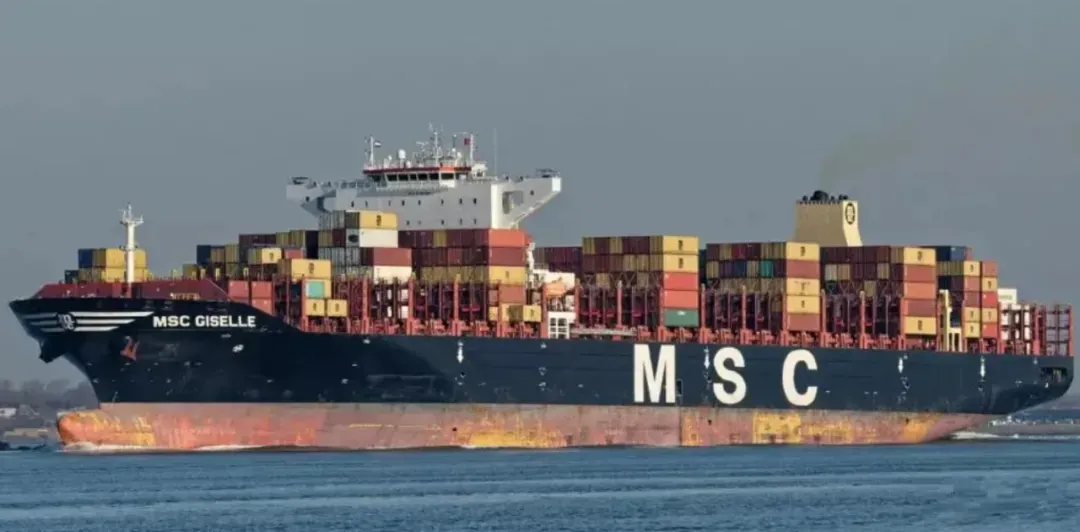
This will have a huge impact on Ethiopia's coffee exports, so the country began looking for other ports to export through earlier on. In February, Ethiopia's prime minister signed a memorandum of understanding with the leader of the local government of Somaliland in northern Somalia. Ethiopia would gain the right to use Somaliland's port of Berbera, but in return would recognize Somaliland as an independent state in the future.
But this move upset the state of Somalia, as the Somali government believed the agreement violated its sovereignty, causing tensions between the two sides to escalate, and Ethiopia was still unable to use the port of Berbera covered by the agreement.Later, however, Turkey stepped in to mediate, hosting diplomats from Ethiopia and Somalia. After the three parties held candid, friendly and forward-looking talks on their differences, they signed a joint statement. Another round of talks was also held in Ankara on September 2.

But recently, reports of conflicts breaking out in Somalia have all pointed to a connection with Ethiopia, which may cause the eased relations between Ethiopia and Somalia to deteriorate once again, leaving Ethiopia unable to use Somalia's ports.
At the same time, this incident also reflects that Somalia itself is plagued by constant conflict and has a low level of safety; when export goods are transported to the ports, they may be intercepted and robbed along the way, resulting in the loss of goods. As a result, both the export volume and the logistics costs of Ethiopian coffee will be affected.
Related Reading






Comments (0)
Loading comments...
You May Be Interested




Trending Reviews
Popular Videos

With you, wherever you are! We provide useful features to help you find new things you'll love






