Source:Best Coffee > News Author:qjroot Published:2026-10-09 09:35:16
Iced Americano should be the savior of a lunch break, but the liquid the machine spits out tastes like overnight tea. The problem is often not the machine, but that you haven't yet figured out water temperature, that invisible ruler. When the water temperature is too high, the woody fibers in dark-roasted beans get scalded into a burnt bitterness; when the water temperature is too low, the aromatic compounds in light-roasted beans stay asleep, leaving only a dull sourness. Before choosing the right beans, you have to let water temperature take its proper place.
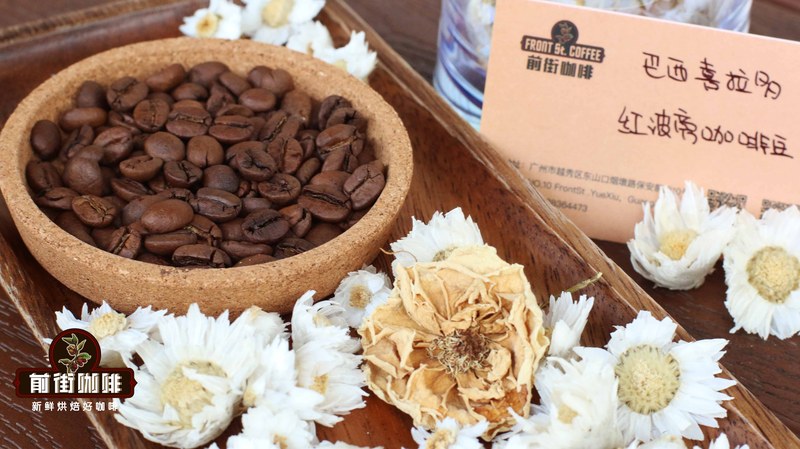
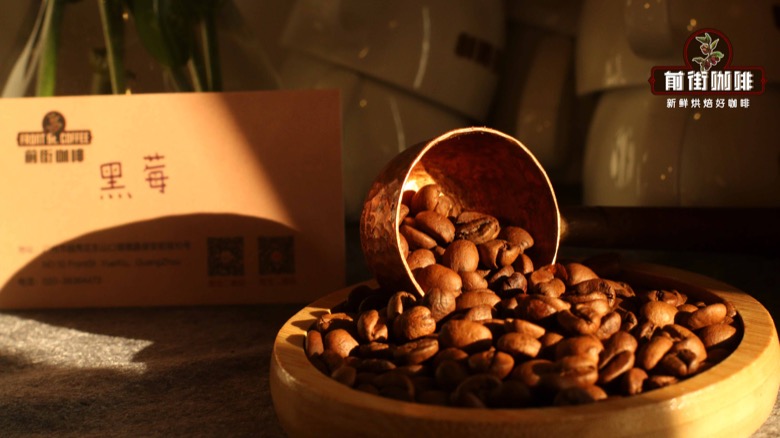
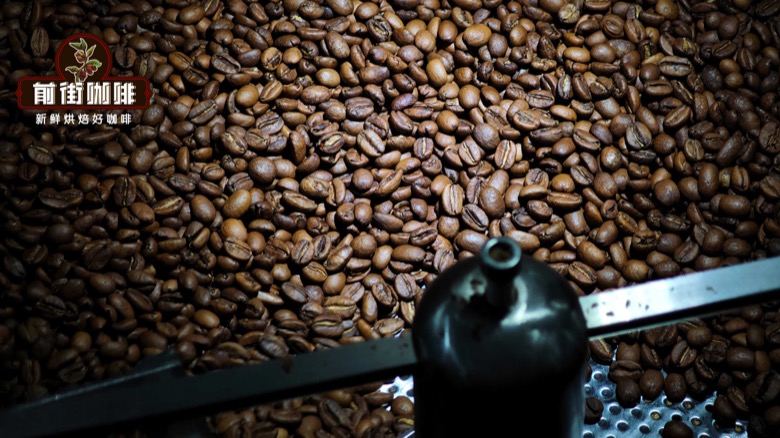
Light-roasted beans are like spring peaches, needing a higher water temperature to wake up. 92 to 94°C is most suitable; once hot water hits them, the floral and fruity notes finally bloom layer by layer. Medium-dark roasted beans are like roasted chestnuts, and 86 to 89°C is enough; any hotter and they will scorch. If the thermostat on that convenience store machine fails, dark-roasted beans are more likely to expose their weaknesses - high temperatures force caramel into charcoal bitterness, while low temperatures leave the acidity stuck in your throat, neither up nor down.

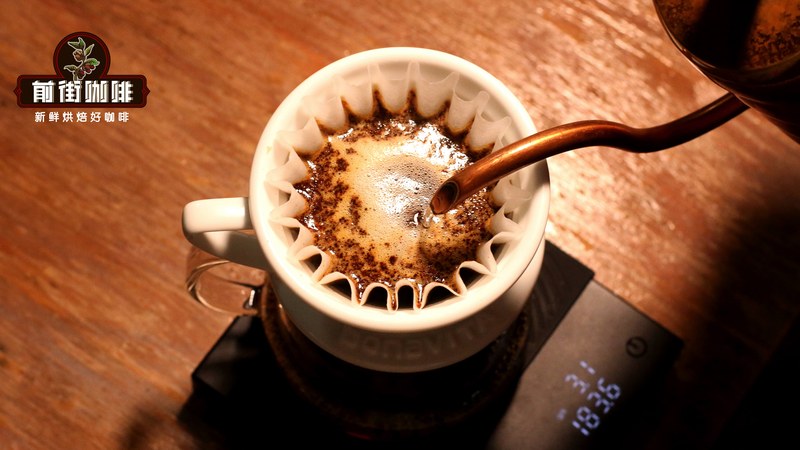
Pour-over and espresso are two different grammars of water temperature and cannot be mixed. In a pour-over kettle, light-roasted beans can boldly be taken up to 93°C; as the stream circles, heat slowly dissipates, and the final phase lands right around 88°C, so the sweetness naturally draws together. An espresso machine applies fierce pressure, so the water temperature should instead drop by two degrees: 90 to 92°C for light roast, 88 to 90°C for medium-dark roast. High pressure compresses the flavor more tightly, and if the water temperature climbs again, it easily over-extracts.
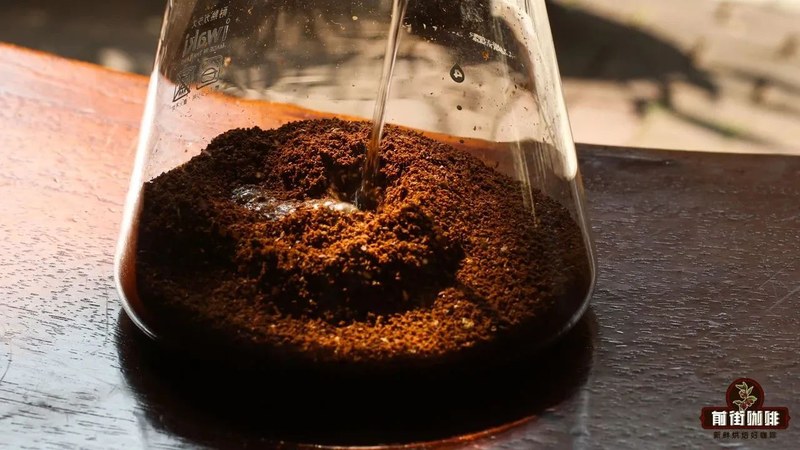
As for how to brew specifically, pour-over can use 15 g of grounds and 225 ml of water, a 1:15 coffee-to-water ratio. First pour 30 ml of water and bloom for 30 seconds, watching the coffee grounds puff up like little breads, then pour in two or three stages, keeping the total time to about 2 minutes. For espresso, use 18 to 19 g of grounds, extract 36 to 38 g of espresso, and keep the time at 25 to 28 seconds; only golden, thick crema counts as passing. The moka pot has its own set of rules: fill the lower chamber with 80 to 140 ml of water, cook over medium-low heat, and let the liquid come out over 1 minute 15 seconds to 2 minutes 30 seconds. When you hear the gurgling, take it off the heat; don't wait for it to scream.
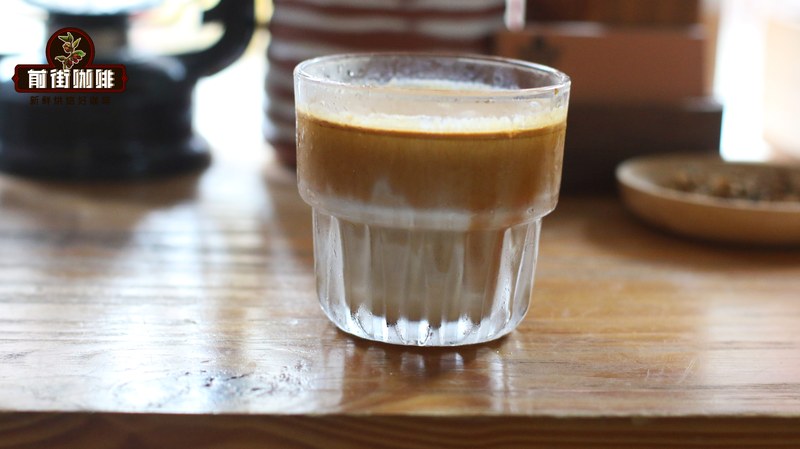
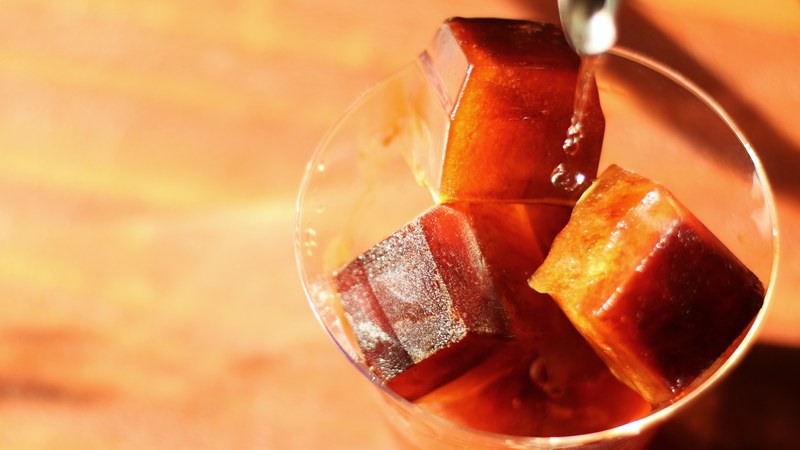
When choosing beans, you have to look at how tolerant they are of water temperature. Some beans are like easygoing old friends, still tasty even if the water temperature is off by two or three degrees; others are especially delicate and change expression if it is off by one degree. Qianjie Classic Blend belongs to the former: beans from Brazil, Indonesia, and Vietnam are blended together, and the caramel and dark chocolate base is very stable. Extract it at 88°C on an espresso machine, 19 g of grounds yielding 38 g of espresso, then add 150 ml of room-temperature water and 100 g of ice, and you can recreate a rich, velvety iced Americano right outside the convenience store.
If you want to level up, try Qianjie Strawberry Candy Blend. This coffee is more sensitive to water temperature. For pour-over, 92°C is recommended, with 15 g of grounds and water added at a 1:15 ratio. After blooming, pour slowly in stages and finish the cup in 2 minutes; the sweet-tart note of dried blueberries will be especially bright. For espresso, lower the water temperature to 90°C, extract 40 g of espresso from 20 g of grounds over 25 to 30 seconds, then add it to 200 ml of 80°C hot water; the hot Americano tastes like holding a fruit gummy in your mouth.
If there is only a moka pot in the office, Qianjie Mandheling is very suitable. As a medium-dark roast, it has a high tolerance for water temperature. Add 120 ml of water to the lower chamber, heat over medium-low heat, and take it off the heat at about 1 minute 45 seconds; the dark chocolate and nutty flavors are solid and not fleeting. Pour it into a 250 ml cup with ice, and you can drink it within ten minutes of your lunch break.
The matter of water temperature is essentially about finding the bean's comfort zone. Light roasts fear sleeping at low temperatures, dark roasts fear being scalded at high temperatures, pour-over relies on the water stream to cool things down, and espresso uses pressure to lock in flavor. Next time you stand in front of the convenience store freezer, you might first think about what temperature this coffee in your hand deserves - the machine won't speak, but your tongue will remember the answer.
The glass door pops open again, and you walk back into the sunlight with your cup. This time, the sweet-tart balance is finally right.
Related Reading
Comments (0)
Loading comments...
You May Be Interested



Trending Reviews
Popular Videos

With you, wherever you are! We provide useful features to help you find new things you'll love






