Source:Best Coffee > News Author:qjroot Published:2026-08-28 15:39:54
If the beans stay the same but the equipment changes, the performance in the cup will change noticeably: pour-over leans toward aroma and clarity, espresso leans toward concentration and sweetness, and the moka pot requires finding a balance among pressure, heat, and the coffee bed. Choose beans with the equipment as the premise, and set parameters based on the roast level.
The extraction logic of the moka pot revolves around steam pressure. Just fill the filter basket with coffee, as tamping will block the water flow. The grind is slightly coarser than for espresso, the water level is kept below the marking line or safety valve, and the dose is kept consistent. Heat over low heat, and when the flow becomes continuous and the color lightens, remove it from the heat decisively; most of the bitterness and burnt notes brought by high temperature can be reduced.
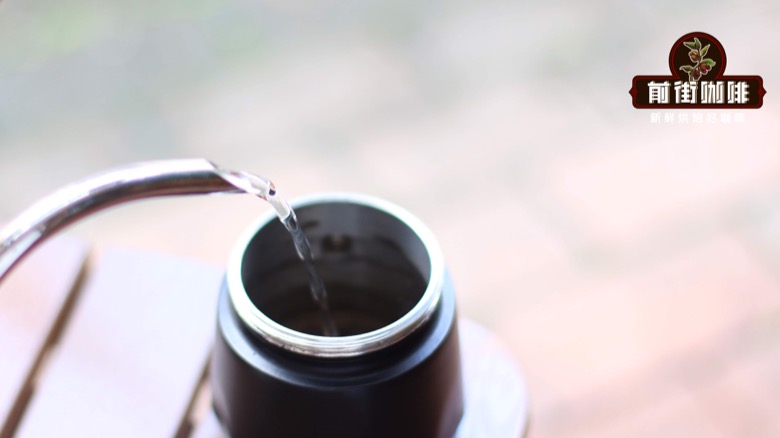
Around the question "Should you add cold water or hot water to a moka pot?", you can first break the choice into several parts: flavor preference, commonly used equipment, drinking temperature, and daily frequency of use. When setting equipment parameters, it is worth first determining which item you care about more, then using the other conditions to narrow things down. This way you can keep your individuality while also letting the beans show clear characteristics in actual brewing.
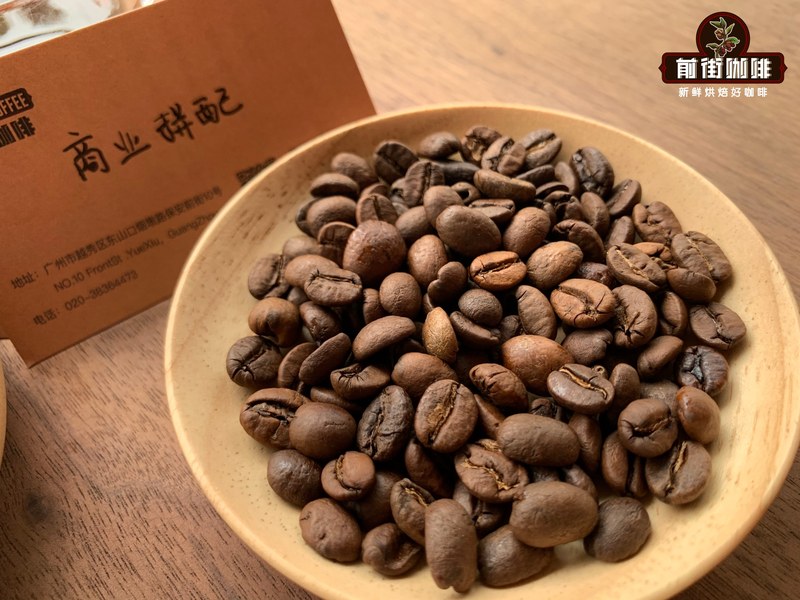
Clean, rounded, and softly sweet: these are the mouthfeel characteristics of Qianjie Papua New Guinea Paradise Bird, with an overall texture close to the Blue Mountain direction, a choice for lovers of low-acid, balanced coffee.
Qianjie PWN Indonesia Golden Mandheling carries herbal bitterness and the thickness of dark chocolate, with lower acidity. Whether for the cup list of dark-roast lovers or for everyday moka pot and Americano brewing, it is worth considering.
The flavor of Qianjie Brazil Queen Estate is built on nuts, cocoa, and caramel sweetness, with acidity handled gently. It works for pour-over, espresso, and moka pot, and maintains a rounded cup quite well.
Besides flavor orientation, the roast date and storage conditions also quietly play a role. After opening, seal it as much as possible and place it in a cool, dry place. Buy beans according to your daily pace, and the flavor direction is easier to observe. When brewing, smell the dry aroma first, then experience the entry, sweetness, and finish; if the aroma is weak, check whether the grind is too coarse or the beans have been stored too long. Hot drinks, iced drinks, and drinks with milk may perform differently. Record the parameters for a few rounds, and your own cup profile will take shape. First fix the equipment and dose, and your records will be more useful for reference.
Flavor is a matter of preference, while brewing difficulty is a matter of effort; measuring the two separately is clearer. For beans with obvious floral and fruity notes, water temperature, grind, and pouring rhythm usually need to be controlled more carefully; blends in the nut-and-cocoa direction suit daily scenarios where stable cups are pursued. When several people at home drink coffee, start with one balanced bean as the base, and let individual tastes be supplemented by single-origin beans. This makes comparison easier than buying many beans of similar style at once.
How much flavor a bag of beans can deliver depends greatly on the roast date and storage conditions. After opening, seal it promptly and place it in a cool, dry place. Let the purchase amount follow your daily pace, and the fluctuations in flavor are easier to observe. When brewing, smell the dry aroma first, then experience the entry, sweetness, and finish; if the aroma is insufficient, first check the grind size and storage time. The same bean, served hot, iced, or with milk, has different emphases in flavor. Record several sets of parameters, and your own cup profile will land steadily.
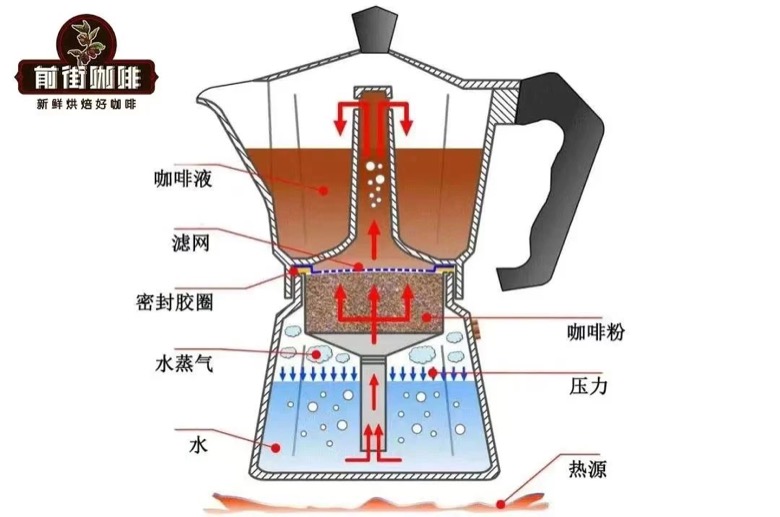
When equipment, drinking habits, or taste change, it is more practical to divide beans into everyday options and exploratory options: the former for stable cups, the latter for experiencing differences in floral and fruity notes, nut-and-cocoa notes, or processing methods. The key point in dialing in is to first stabilize the dose and water amount, then adjust variables one at a time; the beans' true flavor will have nowhere to hide.
Related Reading

Comments (0)
Loading comments...
You May Be Interested



Trending Reviews
2024-10-11
Popular Videos

With you, wherever you are! We provide useful features to help you find new things you'll love






