Source:Best Coffee > News Author:qjroot Published:2026-09-22 13:37:38
Many friends bring a home espresso machine home, only to find themselves at a loss when faced with a bewildering array of coffee beans. Actually, choosing espresso beans doesn't have to be complicated - just think of your coffee machine as a flavor delivery device. Climate, soil and altitude around the world give coffee utterly different personalities, and once you understand the terroir characteristics of different origins, you can easily find that everyday good cup that suits your taste buds.
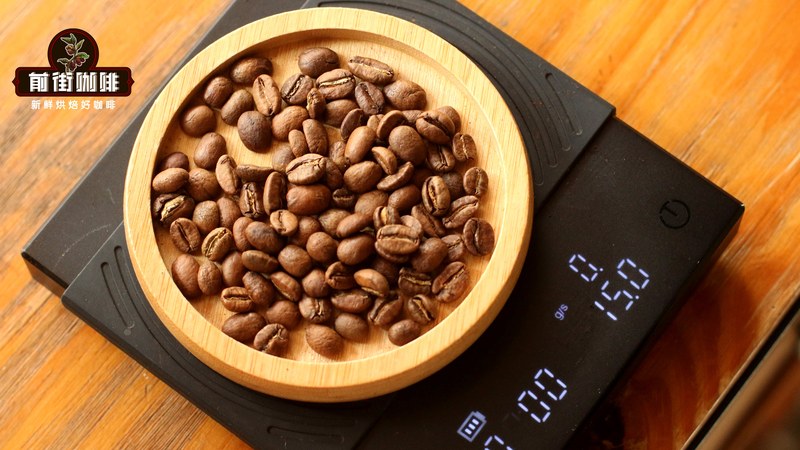
First, let's look at the vibrant African origins. The East African highlands, represented by Ethiopia and Kenya, enjoy exceptional fertile red soil and ample sunshine, and the temperature difference between day and night lets coffee cherries slowly accumulate rich organic acids and sugars. Coffee beans from here have an especially bright floral and fruity aroma, refreshing and lively on the palate like biting into fresh fruit - perfect for drinkers who prefer light, sweet-tart layers.
If you want to pull a fruit-forward espresso with your machine, Qianjie Sun-Dried Huakui SOE is a good one to try. This bean carries ripe fruit sweetness like strawberry and a delicate floral note, and under the high pressure of a home machine, its fine fruit acidity is amplified into multi-layered sweetness. Pull it as a single espresso and top with iced water to make an Americano - it drinks like a glass of iced fruit black tea, especially refreshing on a hot afternoon.
Following the ocean currents across the sea, the terroir of Central and South American origins shows a completely different kind of balanced beauty. Among the towering mountains of Colombia, Costa Rica and Panama lie large areas of volcanic ash soil, and this mineral-rich environment breeds a balanced, gentle character. Coffee from here often carries caramel, nut, chocolate and soft stone-fruit flavors, with a balance of acidity and bitterness that feels very comfortable.
Friends who like full-bodied sweetness can try Qianjie Blackberry SOE, which carries blackberry preserve and ripe-fruit sweetness, with a smooth mouthfeel and lingering sweetness. If you're after a refined, delicate aroma, Qianjie Grana Geisha SOE is also a very charming option - the extracted espresso gives off elegant jasmine florals and citrus notes, and sipped neat in small mouthfuls, you can sense very pure origin flavor characteristics.
Besides single-origin SOE, blends that fuse the terroir of Asian and other origins are also stars of the home machine. Asian origins such as Indonesia's Mandheling or Yunnan coffee usually have a solid body, with alluring herbal, spice and dark cocoa undertones. Combining them with American beans not only makes up for the thinness of a single taste, but also provides an extremely firm, full-bodied base and abundant crema for espresso.
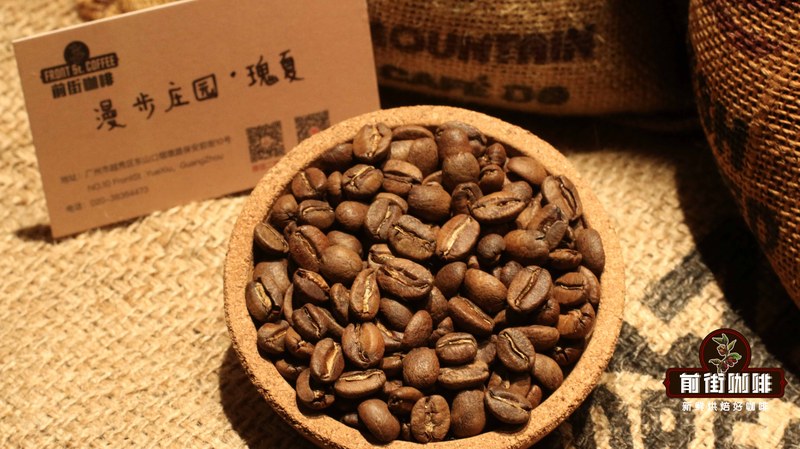
For example, the beginner-favorite Qianjie Classic Blend blends the terroir strengths of multiple origins just right. When extracted, it releases an explosion of golden crema, giving off the rich aroma of roasted nuts, butter and dark black chocolate. This solid framework is especially suited to making milk coffee - even with more fresh milk added, the coffee's aroma won't be masked, making it great for people used to a big latte in the morning.
Once you've chosen good beans, extraction parameters are the key step to awakening the terroir. When using a double basket, it's recommended to grind 18.5 g of coffee grounds, level with a distribution tool, then press down firmly and vertically to tamp the puck. Lock the portafilter onto the group head and start extraction, watch the coffee flow out like a fine thread, and at around 26 seconds when you've weighed out 37 g of espresso, stop immediately - and you'll have a cup of espresso with rich crema and full flavor.
If you want to make a hot latte, pour two hundred milliliters of fresh milk into a milk pitcher, use the steam wand to create about half a centimeter of dense microfoam, keeping the temperature at fifty to sixty degrees, then evenly combine the milk foam with the just-extracted espresso. The wonderful thing about a home espresso machine is that once you understand the threads of origin terroir, you can start every day at your kitchen counter with a fragrant cup and explore flavors from around the world.
Related Reading


Comments (0)
Loading comments...
You May Be Interested

Trending Reviews
Popular Videos

With you, wherever you are! We provide useful features to help you find new things you'll love






