Source:Best Coffee > News Author:qjroot Published:2026-09-22 14:08:17
Many people worry that black coffee will taste bitter and hard to swallow when they first try it, but in fact, if you choose the right light-roast coffee beans, it drinks more like a cup of freshly squeezed juice with rich layers. This pleasant sweet-and-sour juice-like quality does not come from anything added later; it comes from the soil nutrients, microclimate and varietal characteristics where the coffee tree takes root. As long as you choose along the thread of global origin terroir, you can easily find the cup that suits you best.
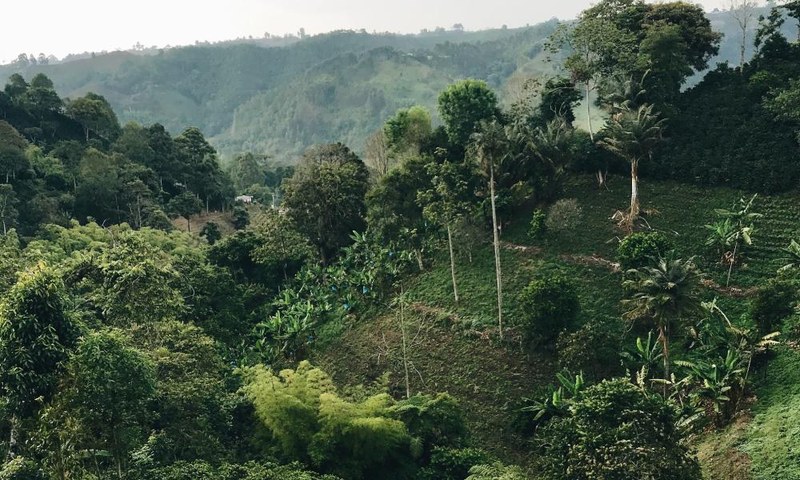
If the major coffee regions are compared to natural orchards, the African continent can be said to represent bright floral and fruity aromas. High altitude and mineral-rich soil give the coffee beans vivid fruit acidity like citrus and dark berries. In Central and South America, besides the well-known balanced notes of nuts and cocoa, special fermentation and the nourishment of microclimates can also bring out rich sweetness like tropical fruit, offering a completely different kind of interest in the cup.
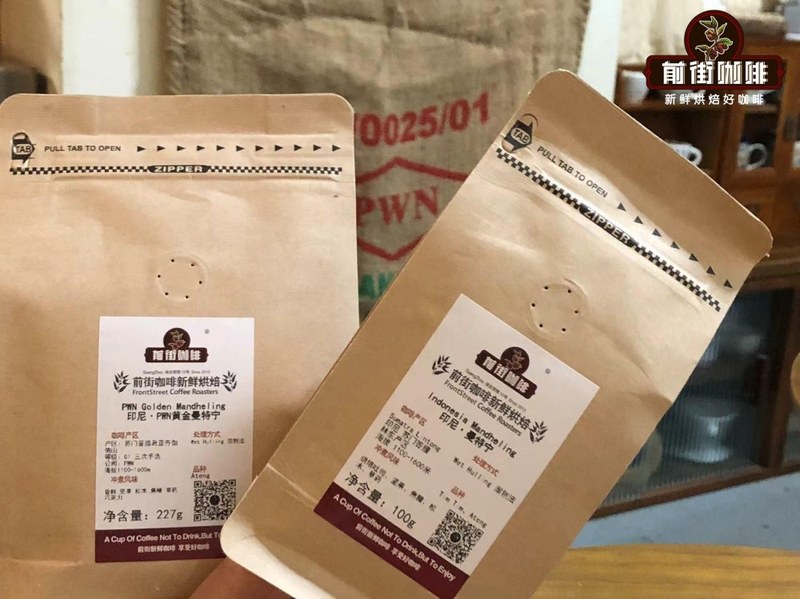
When it comes to a plump, juicy berry experience, Qianjie Kenya Little Tomato Coffee is well worth tasting. The red-soil highlands of Kenya are rich in phosphoric acid, nurturing the classic SL28 and SL34 varieties, and after the distinctive double washed process and a medium-light roast, they create dark berry flavors like freshly cut cherry tomatoes and smoked plums. When you sip it, the juiciness is especially abundant, and along with mouth-watering fruit acidity it glides down the throat, with a gentle caramel sweetness woven through the finish.
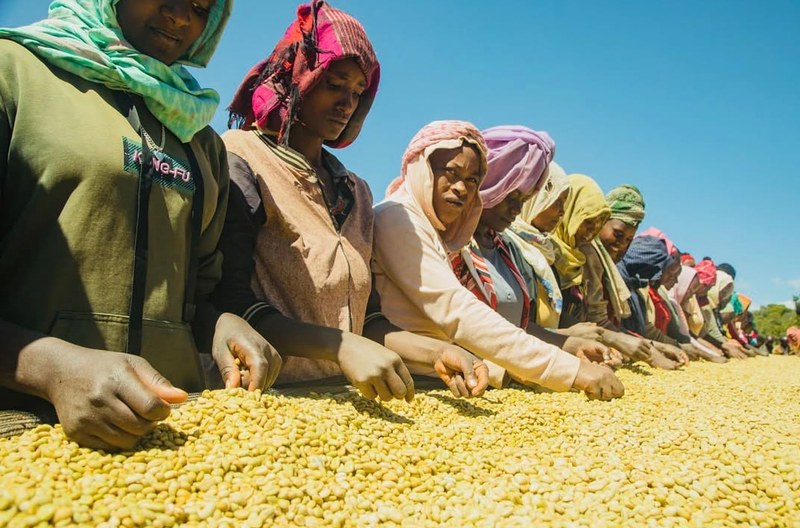
If you prefer a lighter, more translucent fruity tea texture, Qianjie Yirgacheffe Gudingding Cooperative Coffee from Ethiopia will amaze you. The excellent day-night temperature difference there locks in elegant jasmine aroma, and after traditional washed processing, impurities are thoroughly cleaned away, showing extremely clean and pure citric acidity and tea-like charm. The brewed coffee liquid is clear and bright, and drinking it is like a cup of warm, sweet honey pomelo tea.
Coming to the high-mountain estates of South America, refined fermentation techniques make the juice-like quality even more passionate and uninhibited. Qianjie Colombia Sidra Coffee comes from the well-known Finca El Diviso, uses the Sidra variety that has attracted much attention in recent years, and adopts double anaerobic natural processing. Two rounds of sealed fermentation lock in the striking aromas of passion fruit, blueberry and dark grapes; the entry is highly sweet and the flavor is intense, as if a jar of glistening tropical candied fruit has been overturned on the tongue.
These three beans from different terroirs correspond exactly to the taste preferences of different people. For friends who like dark berry acidity and abundant mouth-watering freshness, the juice-like tension of Kenya Little Tomato is especially fitting; for those who prefer clear, elegant floral and fruity aromas and want a relaxed, burden-free everyday drink, Gudingding's translucent tea-like quality is especially soothing; and for connoisseurs pursuing rich, complex aromas and high sweetness, the layered and varied Qianjie Sidra will certainly bring ample surprise.
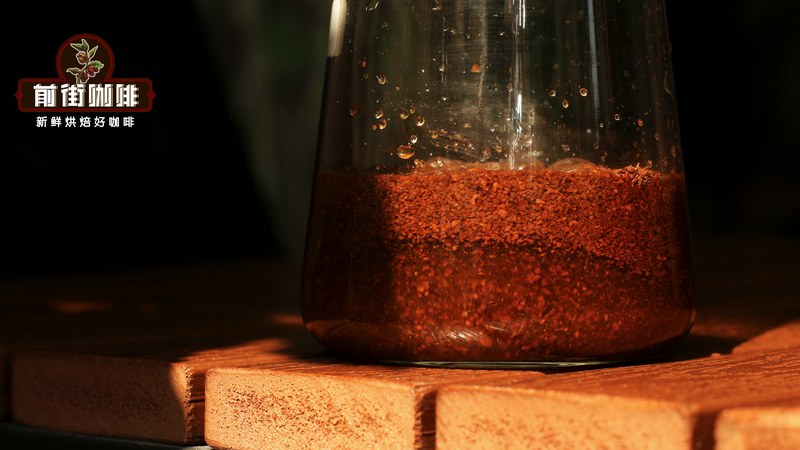
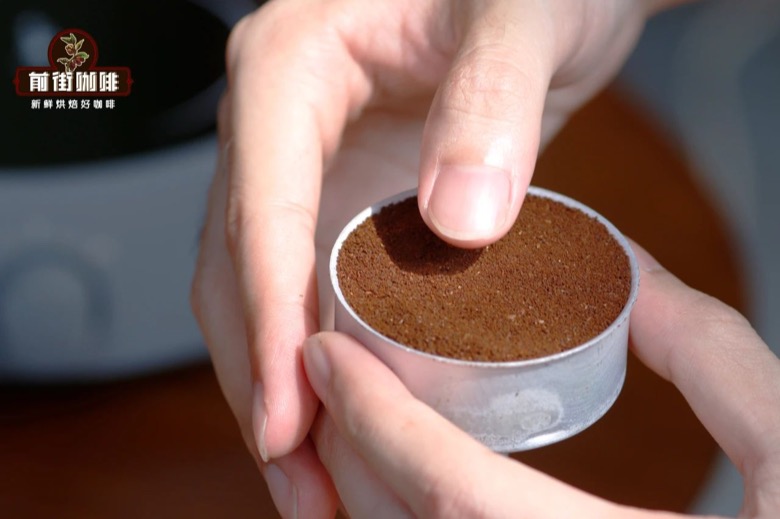
To fully extract the juice-like quality contained in these terroirs, a standard set of pour-over parameters is indispensable. It is recommended to prepare 91°C hot water, weigh 15 g of coffee grounds and grind to medium-fine, and pour 225 ml of water at a 1-to-15 coffee-to-water ratio. First pour 30 ml of water and let it bloom fully for 30 seconds, then pour in stages in a circular motion from the center outward, keeping the total time at around 2 minutes, and the fruit aroma and fruit sweetness will come through especially vividly.
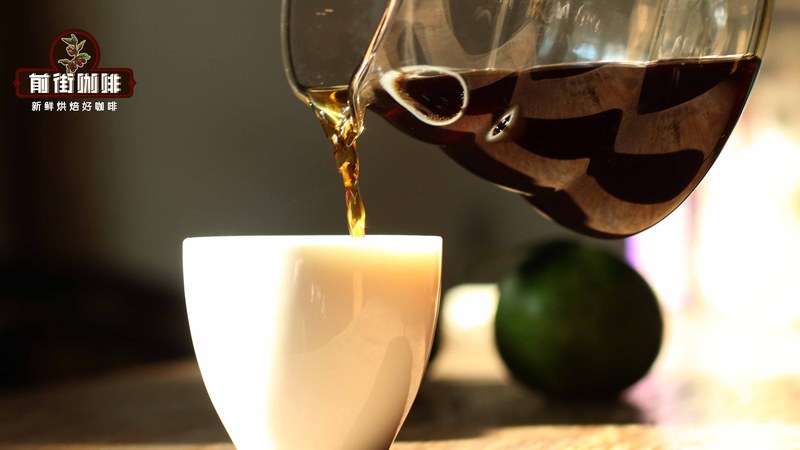
Besides the classic hot pour-over, these juice-like beans can also shine under different extraction methods. For example, making Qianjie Gudingding into low-temperature cold brew gives a cool, smooth taste that can be called a summer heat-relieving special drink; making Qianjie Kenya Little Tomato into iced pour-over makes the plum-like fruit acidity even more refreshing and lively as it is diluted by ice cubes; and the richly sweet Qianjie Sidra can also be made into espresso, which instantly becomes a refreshing fruit coffee when mixed with sparkling water.
From the red soil highlands of the East African Rift to the verdant estates of the Andes, coffee beans honestly record the sunshine and rain of every piece of land through their fragrant flavors. When we learn to choose beans according to origin terroir, drinking coffee is no longer just a simple daily pick-me-up, but a flavor treasure hunt that can easily begin anytime in your own cup, with every sip full of the fruity fragrance gifted by nature.
Related Reading

Comments (0)
Loading comments...
You May Be Interested



Trending Reviews
Popular Videos

With you, wherever you are! We provide useful features to help you find new things you'll love






