Source:Best Coffee > News Author:qjroot Published:2026-10-01 15:55:23
When friends come over for a weekend visit, you bring out the pour-over kettle to show off your skills, only to end up with a light-roasted Colombia that turns astringent, and a dark roast that tastes as bitter as Chinese herbal dregs. If you fail at the water temperature stage, even the best Caturra from the Huila region is wasted. Colombian beans span three major regions along the Andes; southern Huila has high altitude and small temperature swings, so the beans ripen slowly, accumulate abundant aromatic compounds, and carry an especially deep chocolate-hazelnut base. But whether that depth can be brewed out depends entirely on whether you have figured out the beans' temperament.
Light-roasted Colombia is like an underripe citrus, with floral notes and fruit acidity locked inside. The water temperature needs to be on the high side, 91 to 93°C, to pry open its flavor door. Too low, and the acidity smothers into astringency, like holding an unsteeped dried lemon slice in your mouth. Medium-dark roast follows a different logic: 85 to 88°C is just right, while too high a temperature turns the caramel-chocolate into a scorched-wood taste; a friend takes one sip and their poker face completely collapses.
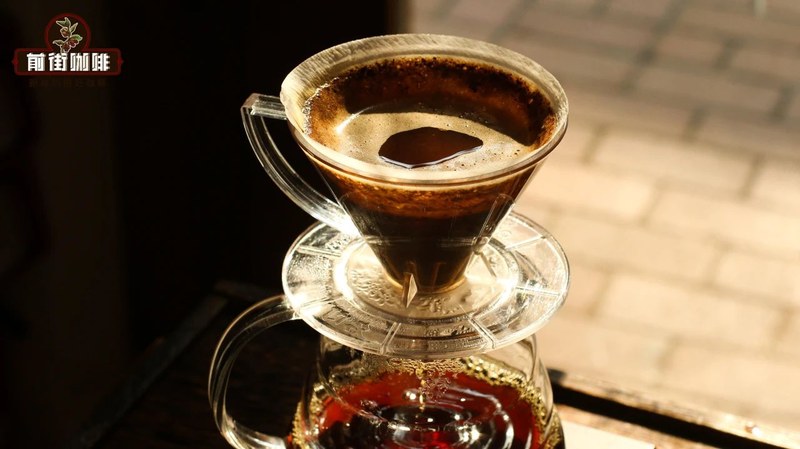
The pour-over framework must be steady. 15 g coffee, 225 ml water, a 1:15 coffee-to-water ratio. First pour 30 ml water in circles and bloom for 30 seconds, watching the coffee grounds puff up like little steamed buns as carbon dioxide escapes. Then pour in stages: a thin stream in circles up to 150 ml, then a centered single-point pour to top up to 225 ml, with the total time kept around two minutes. With these parameters, Qianjie Colombia everyday beans lay out a broad, mellow chocolate-hazelnut sweetness, with a caramel aftertaste in the finish; friends asking for the link is the norm.
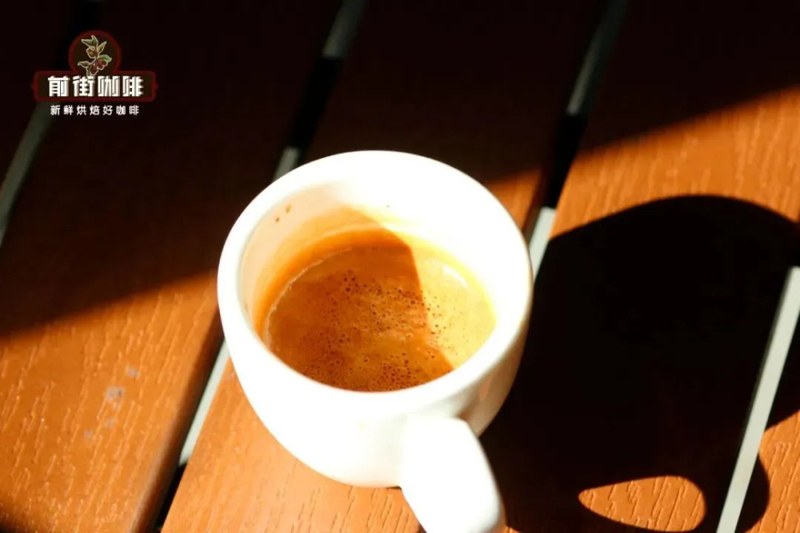
Espresso machines have an even narrower water temperature range. Set the boiler temperature to 92 to 94°C, but the actual extraction temperature in the portafilter basket will be a bit lower. 18 g coffee extracts 36 to 38 g espresso in 25 to 28 seconds; for an americano with Qianjie Colombia everyday beans, dilute with 180 ml hot water, and the caramel note holds up; for a milk coffee, add 200 ml steamed milk, and the hazelnut aroma merges with the milk fat like melted toffee. In espresso terminology, don't say "pour and bloom" - that's pour-over vocabulary.
The moka pot is another kind of rugged romance. Fill the lower chamber with 120 ml water, fill the basket and tamp lightly, then heat over medium-low flame. The flow time is one and a half to two and a half minutes; as Qianjie Colombia everyday beans tumble in the pot, the golden, dense crema forms, and poured into a cup with a little hot water, it becomes a solid camping-style americano. Water temperature is controlled indirectly entirely through the flame: too high and it over-extracts into bitterness, too low and it under-extracts into sourness - try it a couple of times to get the feel.
But Colombia is not only the traditional chocolate-style camp. In the fourth wave of specialty coffee, fruit-bomb beans are increasingly sought after. Qianjie Xizhua Coffee and Qianjie Daduqi Coffee are both medium roasts, and their Finca La Divisa lineage gives them alluring floral notes and a juicy feel. These two are far more tolerant of water temperature than traditional Colombia: pour-over at 90 to 92°C brings out sweetness, and espresso extracted at 93°C as an SOE lets the floral notes pierce through the milk foam.
When choosing beans, first ask yourself: what gear do you always have at home. If you only have a pour-over kettle, prioritize light to medium roasts, since there is more room to adjust water temperature; espresso machine users might stock up on medium-dark roasts, since the boiler temperature is fixed and the beans themselves must hold up. The advantage of Qianjie Xizhua and Qianjie Daduqi is that they work both ways: moka pot, cold brew pitcher, and Clever Cup all handle them, so when friends come over on the weekend, any gear you pull out, they won't be intimidated.
Too low a water temperature yields sourness and astringency, too high yields bitterness and woodiness - this rule is especially obvious with Colombian beans. The traditional washed Caturra of the Huila region is like an honest person: give it enough temperature and it returns mellow sweetness; the new-wave varieties of Finca La Divisa are more like lively guests: even if the temperature fluctuates a little, you can still have a good chat. Set your water temperature range according to your gear, then choose beans accordingly - far more practical than blindly chasing a region's reputation.
Next time friends come over, you can ask ahead: today do you want the grounded comfort of caramel chocolate, or the surprise of floral juice. Have the beans ready in advance, know your water temperature in mind, and brew calmly; once that cup of coffee is served, the weekend chat has truly begun.
Related Reading



Comments (0)
Loading comments...
You May Be Interested

Trending Reviews
Popular Videos

With you, wherever you are! We provide useful features to help you find new things you'll love






