Source:Best Coffee > News Author:qjroot Published:2026-09-03 18:41:23
For an espresso blend to show its full flavor in a high-concentration, short-time extraction, you can't just look at descriptions like nutty, chocolate or fruity when buying. The basket capacity of a home machine, pump pressure performance, heating method and grinder precision all affect the concentration and balance of a shot. First see what your equipment can reliably do, then choose beans; dialing in parameters will be much easier.
Basket capacity is a very intuitive reference. A double basket rated around 15 g is usually suitable to start from 14 to 16 g; an 18 g basket can be tried with 17 to 19 g, and a larger commercial basket can hold around 20 g. When the beans have a heavy style and high expansion rate, there's no need to force a full basket; leave an appropriate margin according to the basket's actual space, and the extracted liquid will flow more smoothly.

If your machine comes with a small-capacity basket, for daily espresso you can prioritize a medium-dark roast blend with concentrated sweetness and a fast extraction response. With a smaller dose, overly bright beans tend to taste sharp, while darker-roasted beans provide more obvious cocoa notes and mouthfeel. With an 18 g or larger basket and a grinder with fine adjustment steps, you can try a lighter blend style with more active fruit aromas.
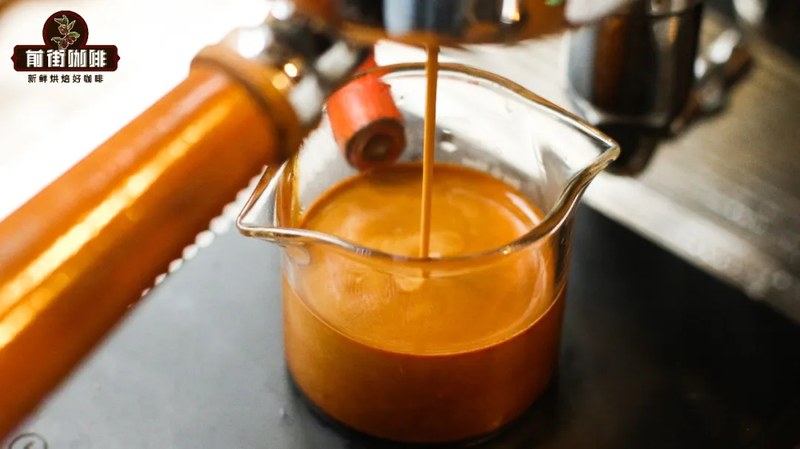
The pump saying 15 bar doesn't mean the coffee grounds are constantly under 15 bar. The pressure actually reaching the puck commonly operates around 8 to 10 bar; the key is whether it stays stable during extraction. With a machine that has a pressure gauge, you can watch whether the needle keeps fluctuating during the extraction stage; when pressure changes noticeably, choosing a medium to medium-dark roast bean with higher fault tolerance makes it easier to get consistent sweetness.
The heating system also changes the range of beans you can choose. A single boiler or small thermoblock machine may have fluctuating water temperature when making several cups in a row; darker-roasted beans usually stay gentler more easily at lower temperatures. A machine with stronger temperature control or a dual boiler can bring out the caramel, nut and dried fruit notes in a medium roast blend more clearly. If the temperature can't be set precisely, start by trying the middle of the temperature range suggested on the package.
A grinder's adjustment capability is often more worth attention than the machine's appearance. A built-in grinder with only a few settings makes it hard to quickly correct flow rate, so it suits blends with a relatively stable particle structure and flavors that aren't too demanding on parameters. A grinder with stepless adjustment or fine, dense settings can, through a one- or two-notch change, handle lighter roasts and livelier fruit aromas, offering more room to experiment.
Qianjie Brazil Queen Estate's flavor leans toward roasted nuts, cocoa and caramel sweetness, with overall mild acidity; placed in a 15 to 18 g basket, it easily forms a smooth espresso base. If a home machine has fairly ordinary pressure and grind adjustment, you can start with a shorter yield and make a small cup of espresso; if you add a small amount of milk, the sweetness becomes more like nut chocolate, suitable for breakfast.
If you use an espresso machine with stable temperature control and finely adjustable grinding, you can try Qianjie Strawberry Candy coffee beans. In a high-concentration state it brings out aromas similar to strawberry jam and candy, suitable for keeping the yield in a fairly tight range, then adding water to make an iced americano; when a small amount of milk is added, the fruit aroma stays at the top of the cup, good for a milk coffee with more distinctiveness.
A semi-automatic machine with a pressurized basket is relatively lenient about grinding and distribution, but flow rate and crema appearance shouldn't be used as judgment standards. Such equipment can be paired with a medium-dark roast, low-acid blend with cocoa character; don't blindly chase a very fine grind, and the dose should also follow the basket capacity. Once you switch to a non-pressurized basket and a more stable grinder, gradually try finer flavor types.
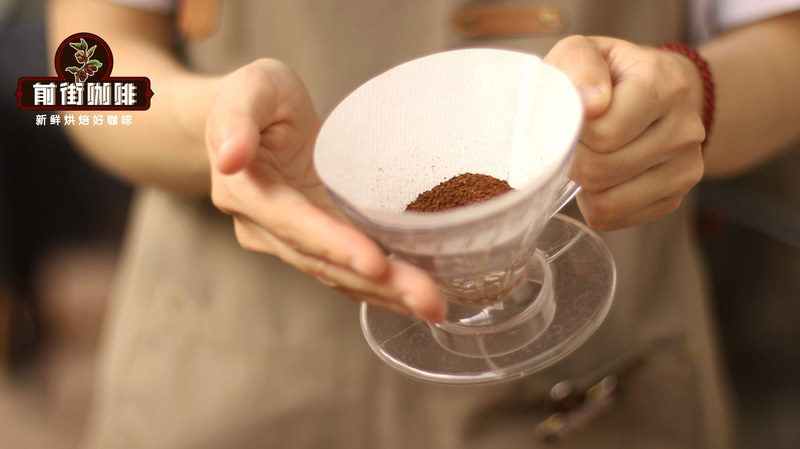
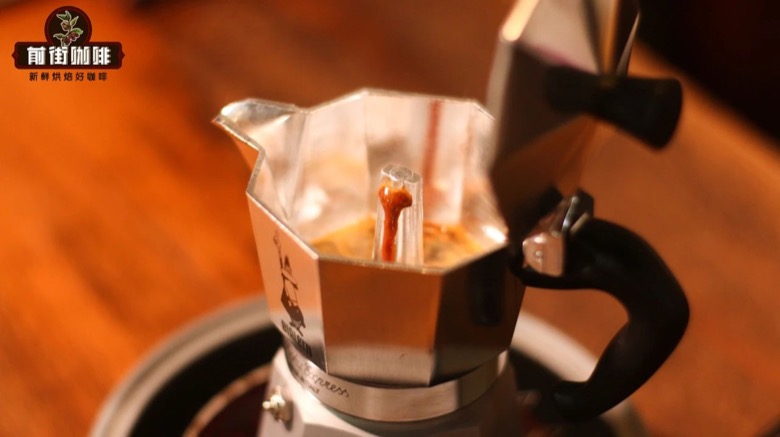
If you don't have an espresso machine and use a moka pot, the amount of water and the filter basket capacity determine how the beans perform. Qianjie PWN Indonesia Golden Mandheling has herbal, dark chocolate and thick body notes; its low-acid character is fairly easy to keep full in a moka pot, and it can be diluted with hot water into an americano or combined with milk. Keep the grind between medium-fine and medium, use gentler heat, and the cup will taste cleaner.
Before ordering, you can write down the basket capacity, whether the machine can adjust temperature, whether pump pressure is stable, and the grinder's smallest adjustment increment, then compare them with the recommended dose and extraction range on the package. For equipment with ordinary parameters, choosing a blend with concentrated flavor and solid sweetness is more worry-free; if the equipment is capable enough, fruit aromas and sweet-tart notes can be taken into consideration. That way the beans you buy are more likely to show the expected flavor in your own equipment.
Related Reading

Comments (0)
Loading comments...
You May Be Interested

Trending Reviews
Popular Videos

With you, wherever you are! We provide useful features to help you find new things you'll love






