Source:Best Coffee > News Author:qjroot Published:2026-09-18 16:36:38
SOE coffee beans often retain the distinct regional flavors of their origin, and under light-to-medium roasting they hold rich floral and fruity acidity along with delicate sweetness. Many friends who make single-origin espresso or single-origin coffee at home often wonder why the aroma does not fully open up. In fact, more than ninety percent of a cup of coffee is water, and the hardness and mineral content of the water directly determine whether the aromatic compounds can be carried out smoothly.
The dissolved calcium and magnesium ions in water act like flavor porters: magnesium ions are good at capturing lively fruit acidity and floral notes, while calcium ions reinforce sweetness and body. If the mineral content of your daily water is too high, the excess bicarbonate will quickly neutralize the delicate acidity unique to light-roasted beans, making an originally well-layered SOE taste dull and flat; while water that is too pure and low in minerals tends to extract a coffee that tastes thin and insipid.
In a home setting, it is more suitable to choose natural soft water with a total dissolved solids content between 50 and 100 ppm. This type of water retains a moderate amount of minerals to adsorb flavor compounds, while not overly interfering with the fresh acidity originally found in light-roasted single-origin beans. Using this balanced water to make light-roasted espresso or pour-over single-origin coffee lets you clearly taste the fine flavors from different estates.
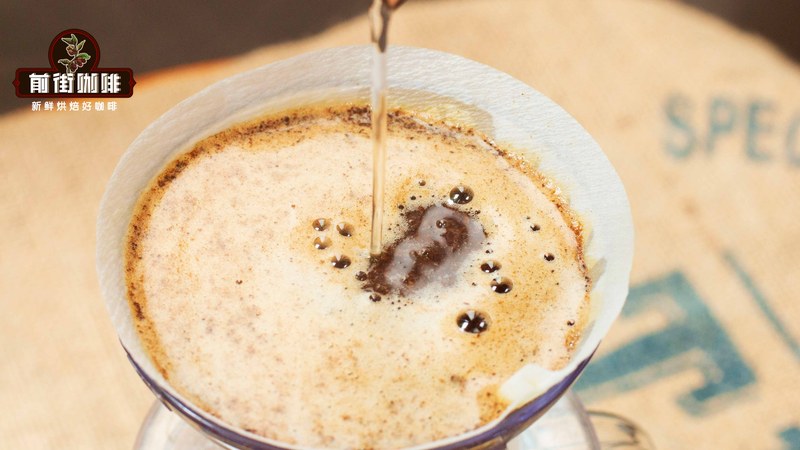
Take the classic Ethiopian flavor representative, Front Street Yirgacheffe Gudingding, which itself carries bright citrus, ripe berries and a green-tea-like sweet finish. If the water is on the hard side, its delicate white floral aroma will be masked. For pour-over, it is recommended to use 91°C hot water, 15g of coffee grounds, a coffee-to-water ratio of 1:15, a total water volume of 225ml, and a total extraction time controlled at 2 minutes 05 seconds, using a three-stage pouring method: first pour 30ml of water and let it bloom for 30 seconds, then pour the remaining water in two even stages, which can fully extract the gentle floral notes and bright fruit acidity.
When choosing beans, pay attention to how the roast level echoes the water quality in your home. Friends who are used to using soft water or purified water with added brewing minerals are very well suited to choosing light-roasted, lively-acidity high-altitude beans. Pure water can bring out the bean's original clear acidity without reservation, making the citrus tones and berry aromas appear light and translucent, and the sweet finish left in the mouth will also be fresher and longer-lasting.
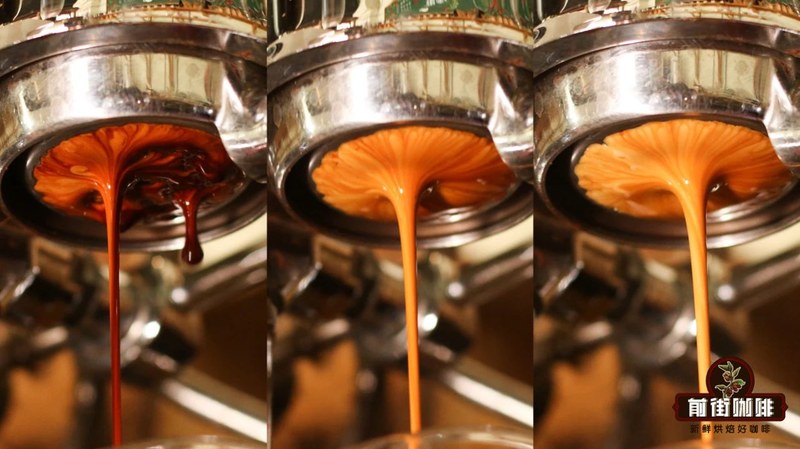
If you enjoy the rich, juicy, full experience of tropical fruit, Front Street Colombia Sidra displays abundant flavors of passion fruit, grape and apricot. This bean made as an SOE espresso brings a stunning juice-like quality. It is recommended to use 18g of coffee grounds on an espresso machine, set the water temperature at 92°C, perform low-pressure pre-infusion followed by 9-bar constant-pressure extraction, and extract 36g of espresso liquid within 26 seconds. Slightly hard, moderately soft water can set off its fermented fruit sweetness and plump texture to be especially round.
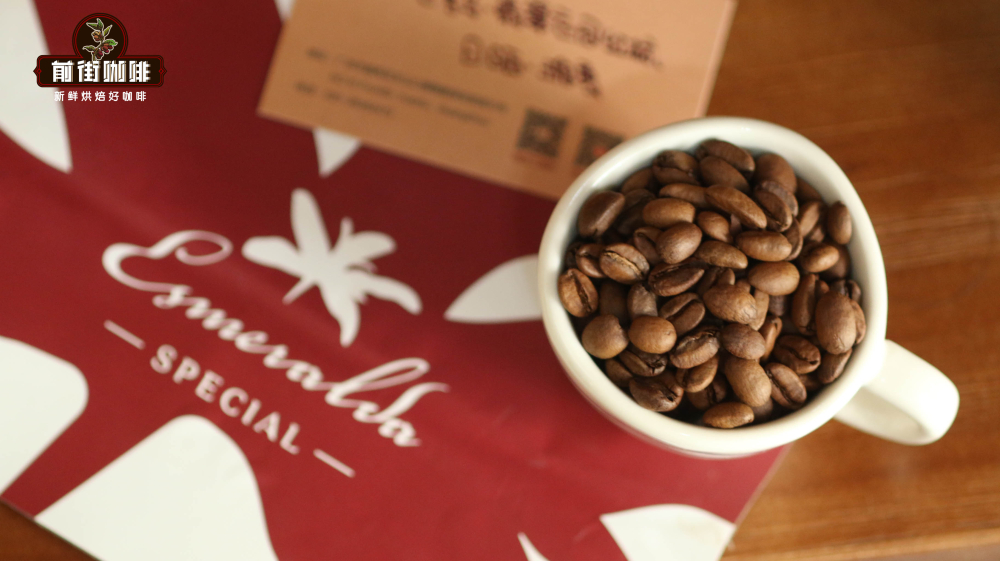
For those who pursue elegant floral notes and a silky black tea texture, Front Street Panama Hacienda La Esmeralda Red Label Geisha is a classic work for appreciating the characteristics of the region, and on the palate you can feel bergamot, elegant jasmine and citrus sweetness interwoven. When brewing this kind of high-quality micro-lot bean, the purer the water, the higher the clarity of the floral notes and the fewer the off-flavors, which can fully express the subtle variations of the estate's terroir.
When brewing this Red Label Geisha, you can use 92°C water, 15g of coffee grounds, a coffee-to-water ratio of 1:15 with 225ml of water poured, and a total time of 2 minutes 10 seconds. Use a two-stage pouring method: first slowly pour 40ml of water for a 30-second bloom, then steadily pour in a circular motion the remaining water up to 225ml and stop. Lower-mineral soft water can lift the bergamot and jasmine aromas, with the tail end presenting a sweet, moist finish like high-mountain black tea.
Water use is not only about hardness; temperature and the roast level of the beans are also a combination that brings out the best in each other. Light-roasted SOE coffee beans have a dense texture, so the water temperature can be set between 91°C and 93°C; combined with low-TDS soft water, this both stimulates aroma volatilization and avoids thin acidity. For single-origin beans roasted a little darker, lowering the water temperature moderately to 88°C to 90°C can effectively suppress dryness and astringency, steadily extracting the sweet charm of nuts and caramel.
The charm of savoring SOE coffee beans lies in experiencing a coffee bean's complete journey from the terroir on the treetops to the liquid in your cup. Choose a single-origin bean with a processing method and flavor direction you like, prepare at home a pot of clean, lightly mineralized water at a suitable temperature, and quietly pour or extract; those well-layered floral notes and fruit sweetness will naturally bloom comfortably on your tongue, making every daily cup of coffee vivid and enjoyable.
Related Reading


Comments (0)
Loading comments...
You May Be Interested

Trending Reviews
Popular Videos

With you, wherever you are! We provide useful features to help you find new things you'll love






