Source:Best Coffee > News Author:qjroot Published:2026-09-24 16:06:54
On a slightly cool early morning, one always longs for a cup of black coffee full of aroma and rich in body. Many friends who have just taken up brewing are often puzzled: with the same bag of beans, sometimes the brew comes out as thin as water, and sometimes it is so strong it turns bitter and astringent. Actually, there is no need to fret. Whether coffee goes down smoothly depends on the tacit cooperation of two old friends: extraction yield and strength.
Understanding these two concepts is not complicated. We might as well imagine brewing coffee as simmering a pot of slow-cooked soup. Strength is like how salty or light the broth is: add more water and it is naturally refreshing; add less water and it becomes especially thick. Extraction yield, meanwhile, is how much of the savory essence the ingredients in the soup have released. The coarseness of the grind and the height of the water temperature constantly affect the rhythm at which flavor compounds are released.

If the coffee in the cup is on the weak and flavorless side, it is often because the water was poured too quickly or the coffee-to-water ratio was stretched too wide, so the flavors had not yet had time to dissolve out. If it tastes too strong and presses on the tongue, it is most likely that too much coffee and too little water pushed the strength too high. As for that rough, dry, uncomfortable feeling across the tongue, it is very likely that too fine a grind or too high a water temperature caused over-extraction, dragging out those off-flavors from the woody parts as well.
If you want to tune the coffee in your hands to something smooth and pleasant, remember when making small adjustments to change only one variable at a time. If the burnt-bitterness is obvious, try lowering the water temperature by two degrees, or opening up the grinder by half a notch; if the aroma feels thin and watery, grind a little finer so the hot water can more fully draw out the nutty, caramel sweetness, and the taste in the cup will immediately be quite different.
When choosing coffee beans, we likewise need to consider whether they are naturally suited to being brewed strong or light. Light-roasted beans with bright fruit acidity suit being drunk light to savor floral and fruity notes, while if you want that grounded, warm sense of richness, you should choose medium-dark roasted beans with a firm texture that suit heavy extraction. These beans have a full oily mouthfeel and sweetness that makes people feel especially reassured.
If you like a mild, balanced taste, Qianjie Brazil Queen Estate is a very worthwhile everyday staple to keep on hand. It is known for being supple and low in acidity, with clear aromas of roasted nuts, cocoa and caramel. The rich oils characteristic of Brazilian coffee give it a round, smooth texture, and whether brewed by pour-over or made into a rich coffee, it maintains extremely high stability and full sweetness.
If you are fond of refined, harmonious, elegant flavors, Qianjie Jamaica Blue Mountain No. 1 has long been a benchmark with a well-deserved reputation. The green beans come from the high-altitude mist belt of Clifton Estate, and a medium-deep roast blends acidity, sweetness, bitterness and aroma into one. On the palate you can feel a creamy silkiness and chocolate fragrance, with a honey-like sweet finish that lingers long, pleasant to savor and easy to drink.
For friends who prefer a rich, deep sense of power, Qianjie PWN Golden Mandheling is a classic not to be missed. Thanks to its unique wet-hulling process and strict hand sorting, it removes off-flavors and reveals pure, profound notes of herbs, spices and dark chocolate. Even if you brew it a little stronger, there is still only intense sweetness and a full body lingering on the tongue.
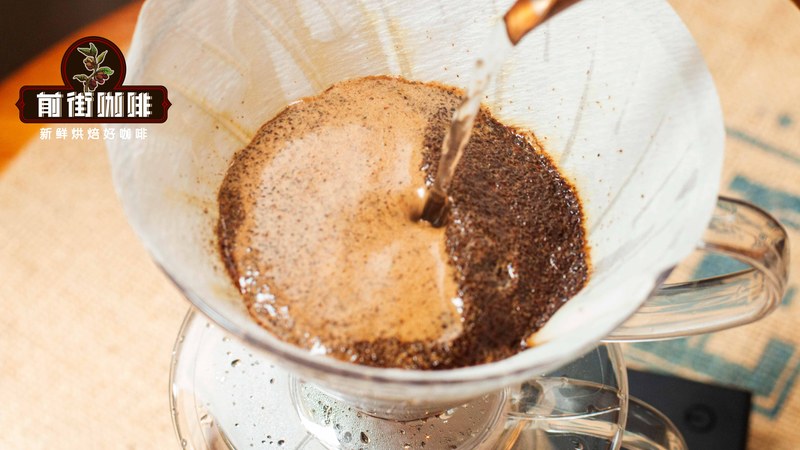
To brew this kind of rich-style bean, Qianjie recommends preparing 15 g of ground coffee, using a 1 to 15 coffee-to-water ratio, and preparing 225 ml of hot water. A medium-coarse grind is recommended. Pour in 30 ml of water and gently bloom for 30 seconds to awaken the deeper aromas, then pour in stages to gently release the oils and caramel sweetness, keeping the total time at around 2 minutes, and the flavor will be very balanced.
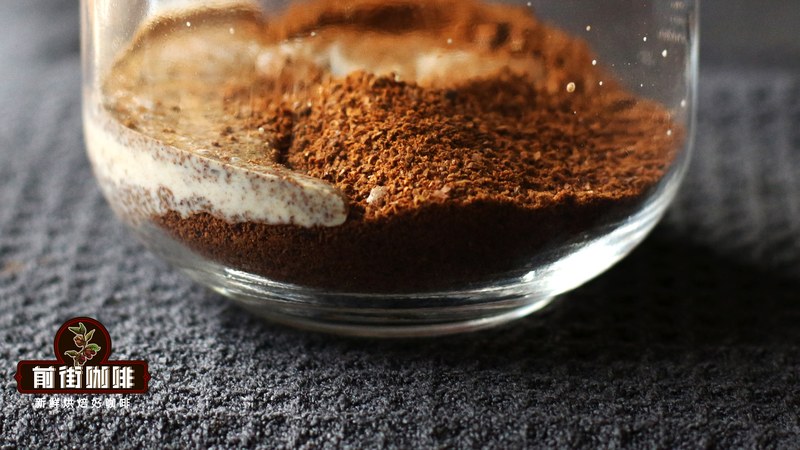
Once you understand the secrets of parameters and extraction, pour-over coffee is no longer a mysterious and unfathomable occult art. Choose a bag of good beans with a grounded aroma, patiently watch the stream of water pass through the coffee bed, and in this busy world brew yourself a cup of warm, smooth, aromatic coffee with a quiet mind, and you will truly experience the most plain comfort and satisfaction of daily life.
Related Reading






Comments (0)
Loading comments...
You May Be Interested





Trending Reviews
Popular Videos

With you, wherever you are! We provide useful features to help you find new things you'll love






