Source:Best Coffee > News Author:qjroot Published:2026-09-12 18:08:37
Single-origin coffee beans possess distinct regional flavors, and during brewing, subtle adjustments to grind, temperature and extraction time can bring out their floral notes, fruity acidity or sweetness more vividly. Different beans vary in density, roast level and processing method, and designing a brewing plan around their characteristics can fully unlock the beans' own potential, making everyday drinking richer and more varied.
When brewing single-origin coffee by hand, water temperature and the rhythm of the pour are important levers that determine the direction of the flavor. For light-roasted beans with bright fruity acidity, a moderately gentle water temperature can smooth out the sharp, biting acidity, making the juice-like sweet-tart balance softer and more rounded; while denser, aroma-rich lots can have their extraction path lengthened through staged pours, allowing the aromas at each layer to be released gradually.
Take Qianjie Panama Hacienda La Esmeralda Red Label Geisha as an example. This light-roasted bean has delicate floral notes, bergamot and a soft citrus character, with a clear texture. When brewing, it is recommended to use a water temperature of 90°C, take 15g of grounds, and pour 225ml of water at a 1:15 coffee-to-water ratio. Use a three-stage pouring method: 30ml of water for a 30-second bloom, pour to 125ml and pause, then once the water level drops, pour to 225ml, for a total time of 2 minutes 05 seconds, which allows the floral notes and tea-like character to unfurl clearly and brightly.
When brewing beans with delicate floral notes, the grind size is best kept at a medium-fine setting, similar to the texture of fine granulated sugar. Keep the pour steady and vertical to avoid excessive mechanical agitation that can draw out unwanted woody, off notes. As long as the pour height and flow rate are well controlled, the coffee liquid can present a clarity like fine clear tea, letting the flavors build layer by layer.
If using naturally processed beans, such as Qianjie Granja Geisha, the flavor leans toward ripe apricot, guava and berry compote sweetness. For brewing natural beans, it is recommended to use a water temperature of 89°C, use 16g of coffee grounds, and pour 240ml of water. Use a two-stage pour: 40ml of water for a 35-second bloom to fully release gases, then pour evenly and slowly to 240ml, for a total time of 1 minute 50 seconds, which fully draws out the fermented fruit sweetness and rounded texture that natural processing brings.
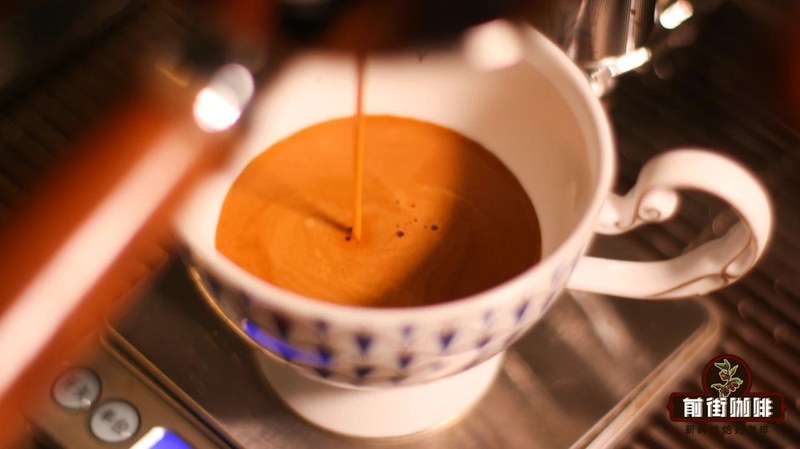
When extracting single-origin beans as espresso, parameter adjustments rely more on precisely matching grind fineness with the coffee-to-liquid ratio. Single-origin espresso pursues an amplified presentation of the region's flavors; appropriately lowering extraction pressure or lengthening pre-infusion time can effectively reduce the sour, astringent impact brought by high concentration, allowing the espresso to show a pleasant sweetness and smooth crema in the mouth, like concentrated fruit juice.
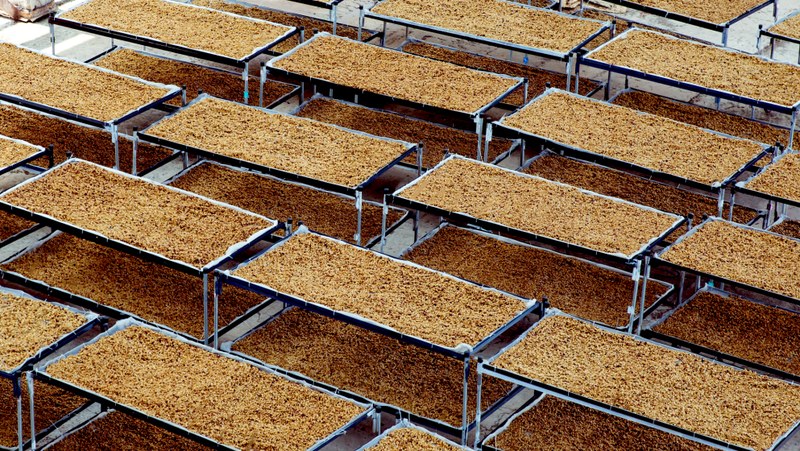
Qianjie Colombia Sidra has a distinct tropical fruit profile, with full flavors of passion fruit, dark berries and sweet apricot. When making single-origin espresso, you can use 18g of grounds, set the extraction water temperature at 92°C, and extract 36ml of espresso within 26 seconds at 9 bar of pressure. This 1:2 extraction ratio concentrates the lively juice-like character into a full sweetness; whether drunk directly as espresso or diluted with ice into an iced americano, the fruit aroma is especially abundant.
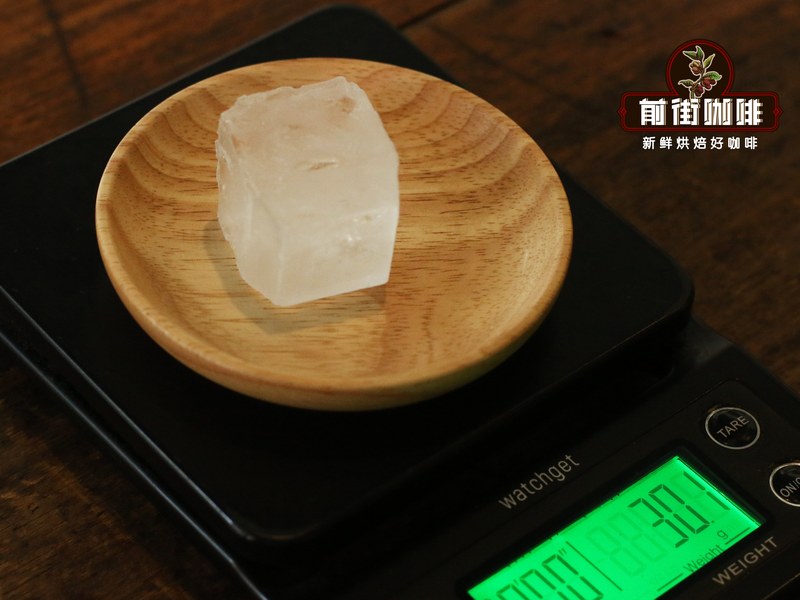
Besides hot pour-over and espresso machines, this kind of fruit-forward single-origin bean is also very suitable for iced pour-over. Fine-tune the brewing parameters, for example by pre-placing 80g of ice cubes in the sharing pitcher, using 15g of grounds with a water temperature of 88°C, pouring 140ml of hot water, and using a single continuous slow pour to complete extraction within 1 minute 30 seconds. The hot coffee liquid cools rapidly as it drips, locking in the aroma, making the fruity acidity brighter and more refreshing, with the sweetness also extremely prominent.

Understanding the roasting characteristics and flavor tendencies of each single-origin bean on hand, and making customized adjustments in combination with temperature, water volume and extraction rhythm, is where the pleasure of tasting single-origin coffee lies. As long as you match the extraction plan to the bean's own traits, you can harvest a pure flavor with distinct layers and abundant aroma between every pour and every drip.
Related Reading



Comments (0)
Loading comments...
You May Be Interested


Trending Reviews
Popular Videos

With you, wherever you are! We provide useful features to help you find new things you'll love






