Source:Best Coffee > News Author:qjroot Published:2024-10-21 18:34:07
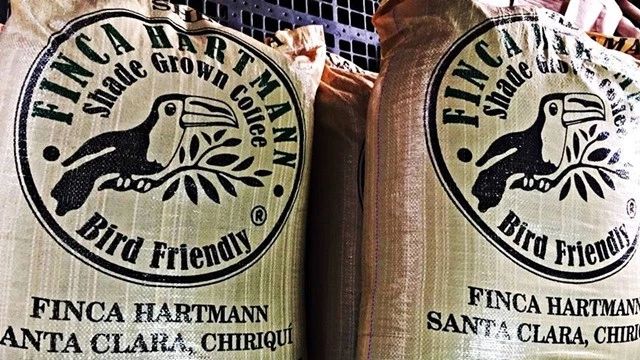
Brazil is the world's largest coffee-producing country and holds an important position in the global coffee market. Its coffee exports account for one third of the global market, but its flavor is not outstanding: low acidity, yet high sweetness and a full body, so it mostly appears in coffee blends. However, when purchasing Brazilian coffee, you will find a string of English letters and numbers on the burlap sack, such as "CERRADO NY-2 SC-17/18 SS FC." So what exactly do these English letters and numbers mean?
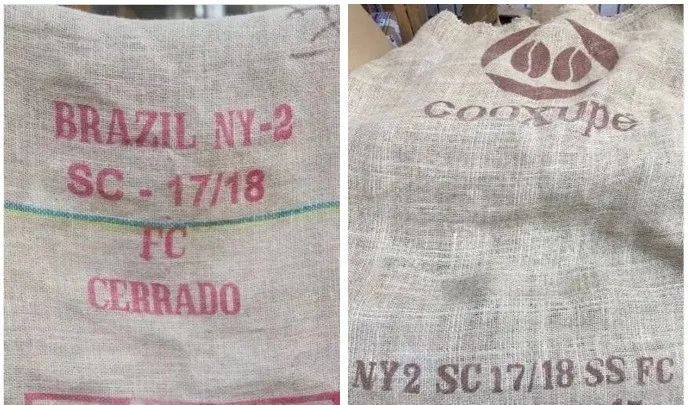
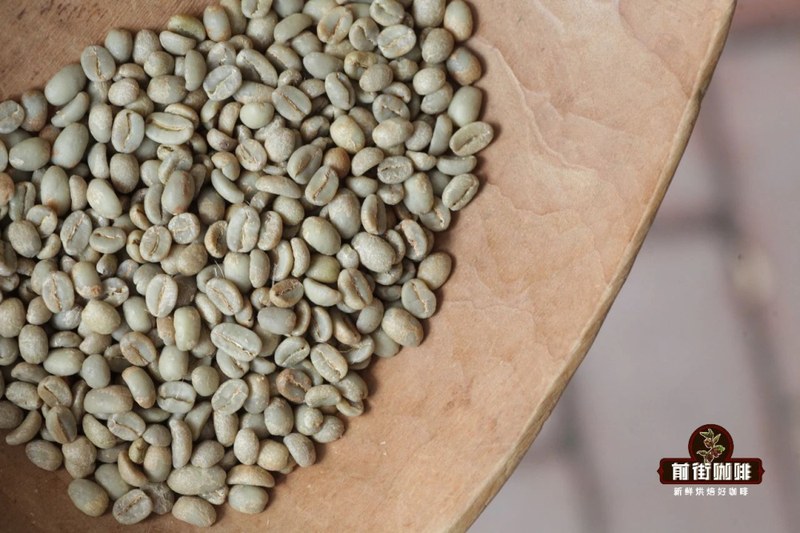
This brings us to the grading of Brazilian green coffee beans, which was established by the Brazilian Ministry of Agriculture, Livestock and Supply (MAPA) and usually consists of the specific producing region, defect grading, coffee bean screen size, cupping score and sensory grading.
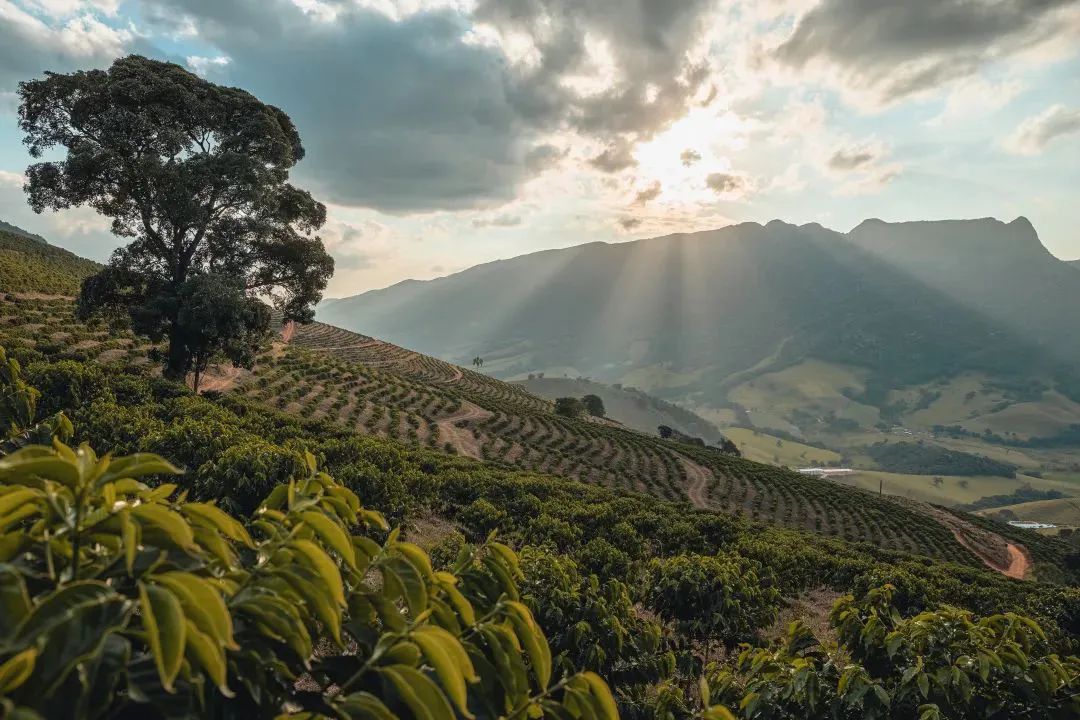
First, Brazil is a vast country with abundant resources. Of its 26 states, 17 produce coffee. These states are also coffee-producing regions, and each region is further divided into multiple sub-regions, so coffee beans from a single region are specifically labeled, for example "CERRADO" indicates they come from the Cerrado sub-region. Other common regions include Mogiana (MOGIANA) and Sul de Minas (SULDE MINAS). In addition, some are labeled with the port name, such as Santos, which represents the Port of Santos in Brazil.
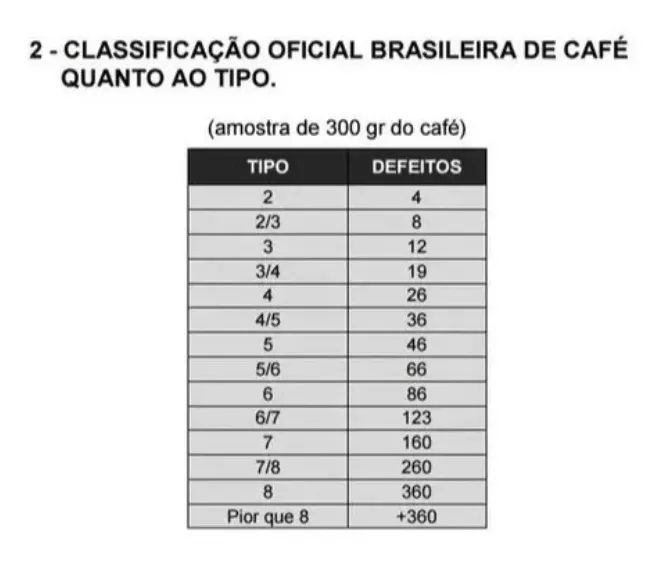
Brazil's green coffee defect grading originates from the Green Coffee Association of New York, hence the "NY" prefix. Brazil's highest grade is "NY2". Because Brazil regards coffee as an agricultural product, and because of Brazil's particular geographical advantage of flat plains, purely mechanized harvesting, while saving labour, to a certain extent affects the degree of specialty quality; therefore it is impossible to have 0 defects, so the highest grade starts at 2 rather than 1.
The number after it is the defect proportion grade, divided into 2, 2/3, 3, 3/4, 4 and so on; the larger the grade, the more defects in proportion. Usually a "deduction method" is used, classifying grades by how many defective beans are found in 300 g of green coffee.
After defect grading, coffee screen size grading begins using fixed-size screens, where "SC" represents the screen size, commonly 17/18 screen and 16/17 screen. In addition, Brazil has both normal flat beans and peaberry beans; normal flat beans generally range from 10 to 19 screen, while peaberries range from 8 to 13 screen. Although the largest in Brazil is 19 screen, its production is extremely small, so 17 screen and 18 screen are already the highest grade.
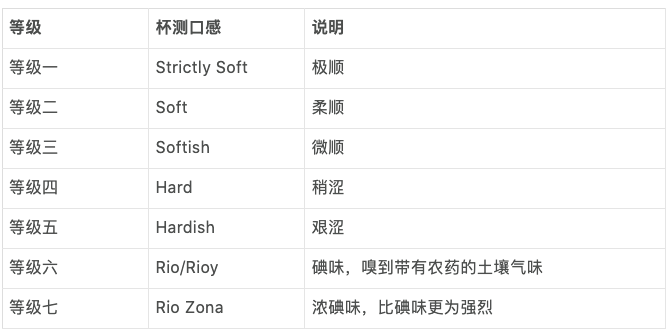
After grading, the sample beans are roasted and then cupped. The cupping score is assigned using the cupping scoring method of the Specialty Coffee Association (SCA). They are classified as Strictly Soft (SS), Soft (S), Softish, Hard, Hardish, Rioy/Rioysh, and Rio. Among them, "SS" is the highest level, with a basic score of 85 points or above; next is the "S" level, with a cupping score between 80-84 points; after that comes "Softish", with a cupping score of 75-79.
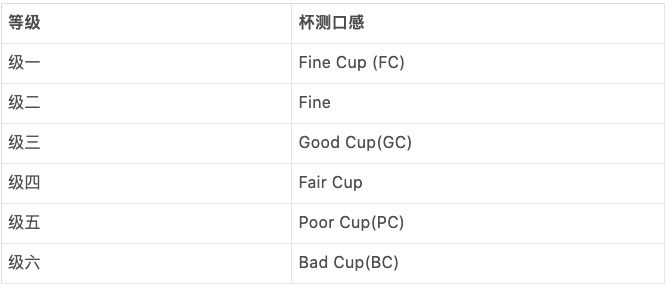
The final component is mouthfeel, which is usually divided into Fine Cup, Fine, Good Cup, Fair Cup, Poor Cup, Bad Cup, for a total of 6 grades, of which the most common are Fine Cup (FC) and Good Cup (GC). In summary, BRAZIL NY-2 SC-17/18 SS FC CERRADO means produced in the Cerrado region of Brazil, defect grade 2, green bean screen size 17~18 mesh, and cup quality of fine. This is also the Brazilian blend component bean that Qianjie Coffee has always used in its house blend.
To learn more about coffee origins and news, please scan the QR code to follow: Kaping
Long-press the QR code to follow:

Related Reading

Comments (0)
Loading comments...
You May Be Interested

Trending Reviews
Popular Videos

With you, wherever you are! We provide useful features to help you find new things you'll love






