Source:Best Coffee > News Author:qjroot Published:2024-11-18 11:16:23
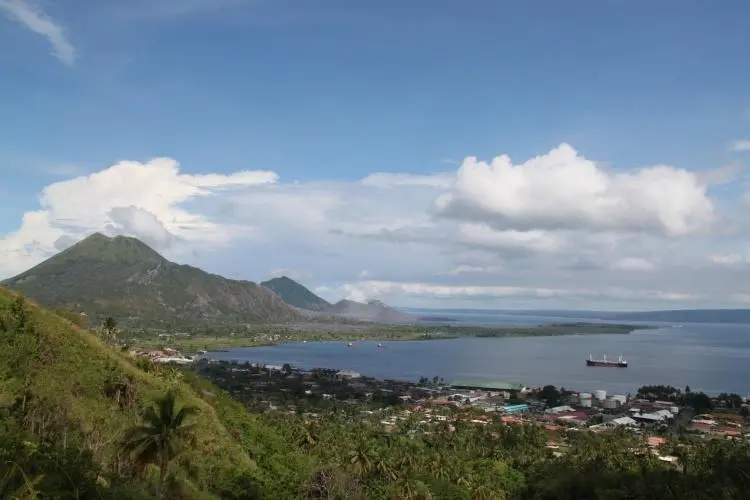
Jamaican Blue Mountain coffee has long enjoyed a formidable reputation, and because of its high quality and flavour it earned the title "Emperor of Coffee" in the last century. Beyond that, there is a country in Oceania whose geographical environment, climate and coffee bean varieties are very similar to those of Jamaican Blue Mountain, so the coffee produced there has been dubbed "Little Blue Mountain" by people. That country is Papua New Guinea.
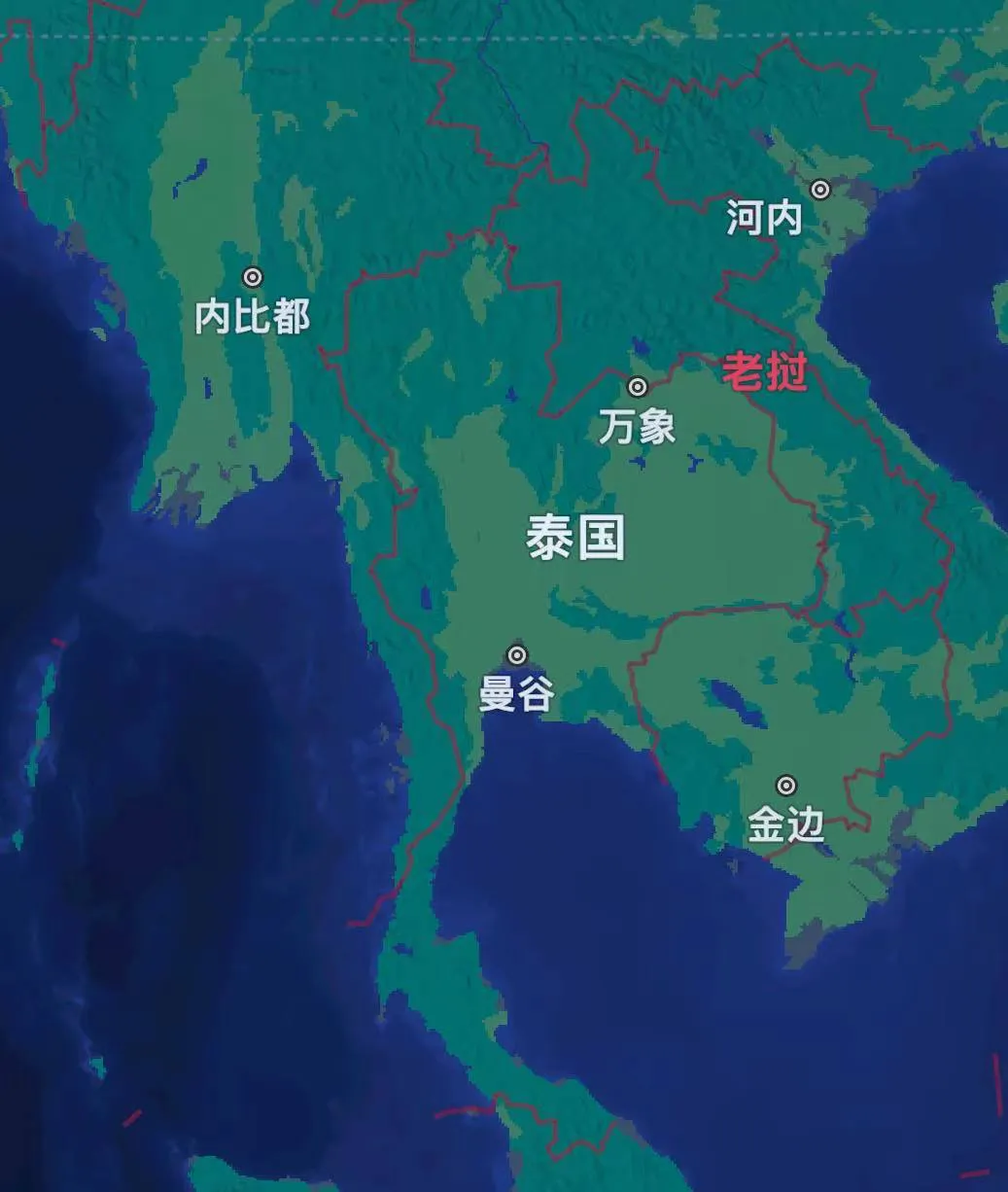
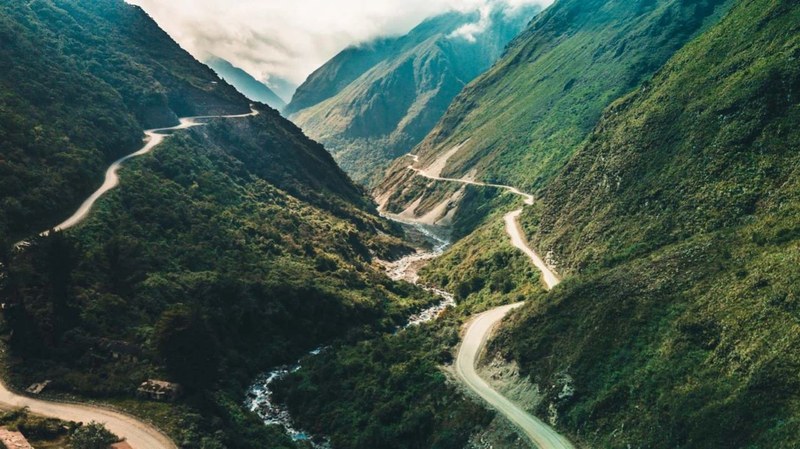
Oceania consists mainly of the Australian continent and more than about 10,000 islands scattered across the Pacific Ocean. The formation of these islands is related to volcanic activity, so volcanic landforms are widely distributed. Most of Papua New Guinea's territory lies on the island of New Guinea, which is split into an eastern half and a western half by a straight dividing line; the west belongs to Indonesia and the east belongs to Papua New Guinea. The country is mainly made up of the island of New Guinea and more than 600 islands around it. The southern and northern parts of the island are coastal areas with lower elevations, so coffee cultivation is concentrated in the New Guinea Highlands in the centre of the country, also known as the Central Range or Central Cordillera, which consists of a series of mountain ranges, volcanoes and intermontane river valleys in the centre of the country.
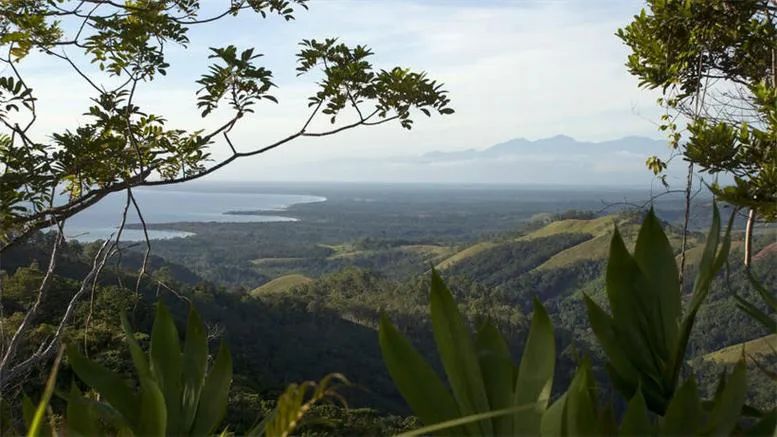
Within Papua New Guinea, areas above 1000 m in elevation have a mountain climate, with an average temperature of about 16-27°C and an average annual rainfall of 2500 mm. It also has high-altitude mountain areas, fertile soil brought by volcanic ash, a rich natural environment, a suitable climate and rainfall, all of which are very suitable for growing crops such as coffee, and there are many agricultural production areas in the middle of the river valleys.
At first, coffee was introduced to Papua New Guinea by Dutch sailors in the late eighteenth century and spread in the Rigo area in the 19th century. By the 20th century, coffee had become a major commercial product of Papua New Guinea, and the country's coffee planting area reached 180 acres.
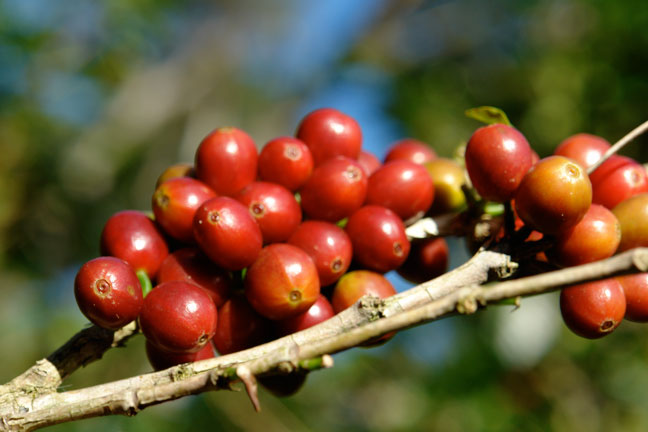
In the early 20th century, Papua New Guinea was still under Australian administration, and Jamaica was a British colony. At the time, Australia and Britain enjoyed very friendly relations, so the Typica variety was introduced from Jamaica to be planted in Papua New Guinea, sharing the same lineage as the famous Blue Mountain coffee. In addition, Papua New Guinea's growing environment is very close to Jamaica's, with similar altitude and climate type, so after introduction, Typica quickly adapted to Papua New Guinea's environment and became the country's main planted variety. Moreover, the Typica coffee produced in Papua New Guinea is also very close to Blue Mountain coffee in its flavor expression, thus earning the title of "Little Blue Mountain"; however, because Papua New Guinea is closer to the equator and its temperature is a little higher, there are still certain differences when examined in detail.
In Papua New Guinea, coffee cultivation is mainly concentrated in the four highland provinces of the central region, namely Western Highlands, Eastern Highlands, Chimbu, and Jiwaka Province. The production model is mainly smallholder farming, with about 75% of the coffee product coming from small local farms and a small portion from some large estates, the most well-known being Sigri Estate.
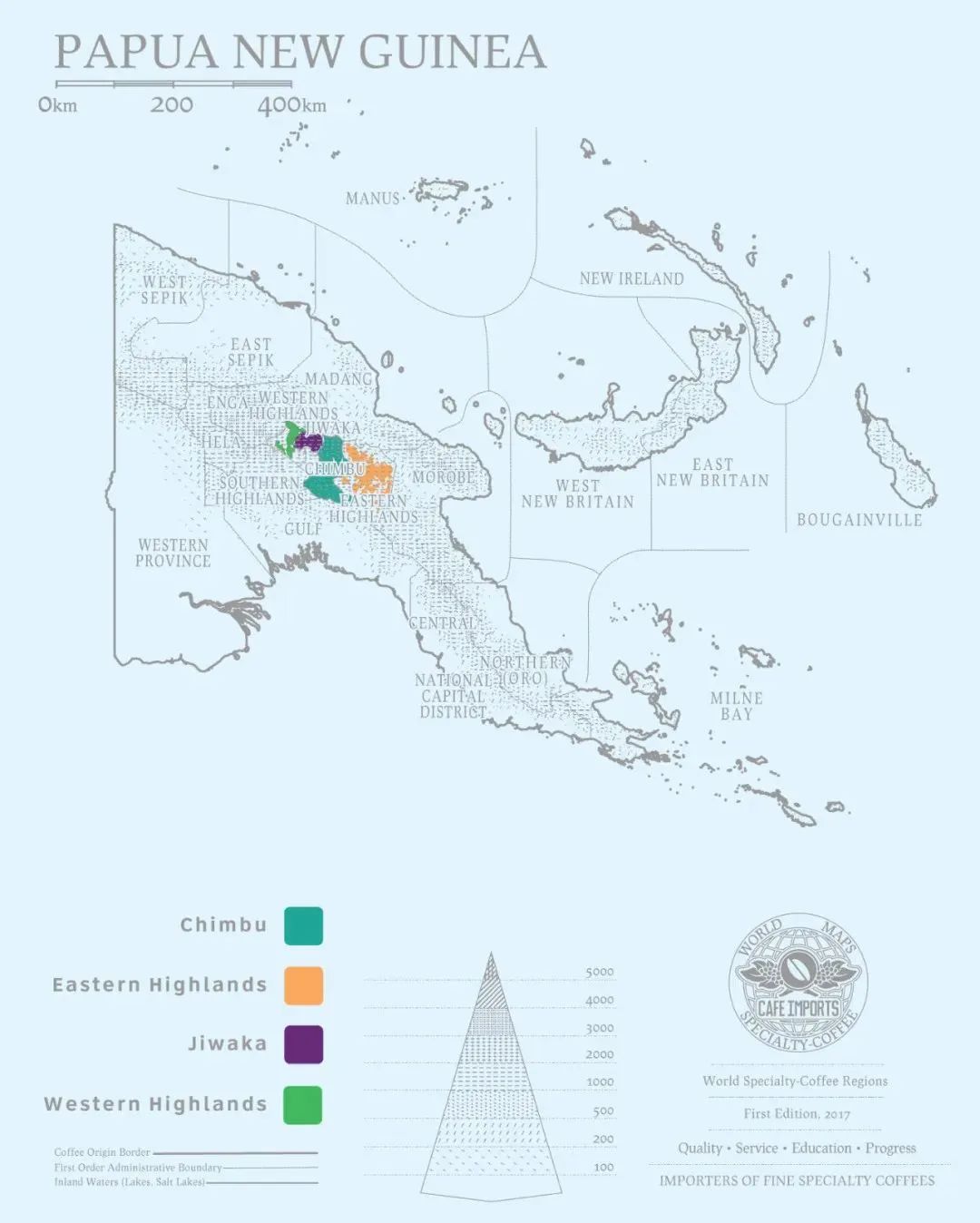
Sigri Estate is located in Western Highlands Province, the country's largest coffee-producing region. The province sits in the Wahgi Valley, and nearby is the well-known extinct volcano Mount Hagen, which provides fertile volcanic soil here. Combined with an excellent climate and rainfall, this makes agriculture more developed.
Sigri Estate was founded in 1950 and is a pioneer of the local coffee-growing industry. The estate prints Papua New Guinea's national bird, the bird of paradise, on the coffee sacks it exports, so many people call this estate Bird of Paradise Estate.
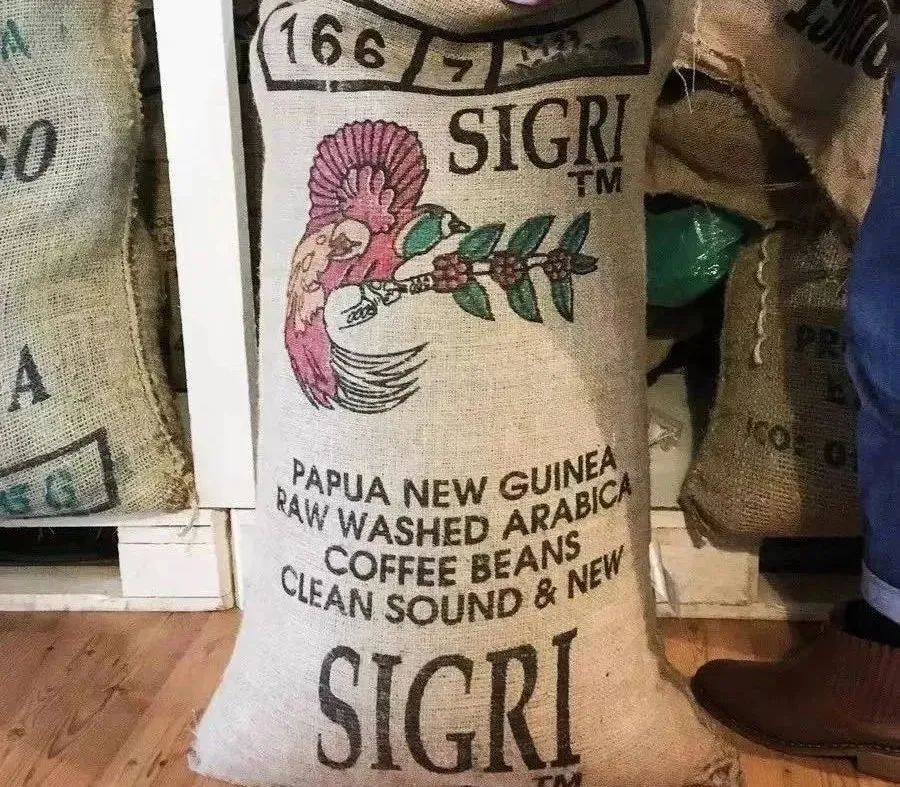
Sigri Estate's parent company is WR Carpenter company-PNG, which owns about 1000 hectares of land in Papua New Guinea for growing coffee and is the country's largest coffee exporter, accounting for about 80% of the country's coffee bean and tea exports. The estate places great emphasis on ecological protection and refuses to use pesticides and insecticides in order to protect water sources and soil. It has also adhered to high-standard growing and processing methods for many years, providing customers with coffee of consistent quality.
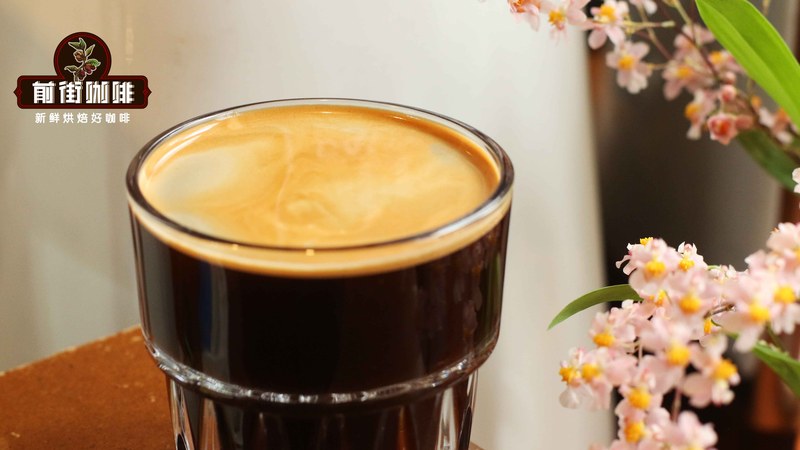
At FrontStreet Coffee, there is also Papua New Guinea Sigri Bird of Paradise coffee beans from this well-known producing region, Western Highlands Province, made with Typica (Typica), using the washed processing method. After brewing, it has caramel, cocoa, and almond flavors, with slight acidity at low temperatures, a full body, and overall balance.
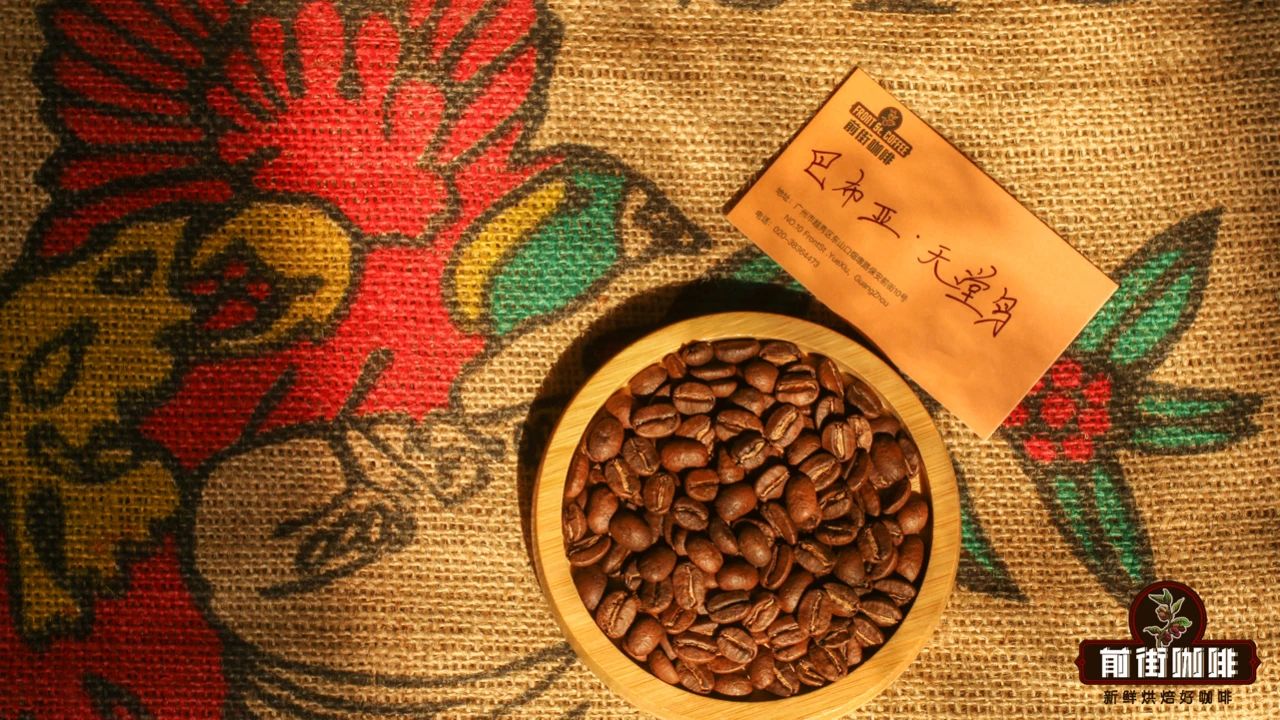
FrontStreet Coffee: Papua New Guinea Bird of Paradise Coffee Beans
Country: Papua New Guinea
Origin: Sigri Bird of Paradise Estate
Altitude: 1600-1800m
Grade: AA
Variety: Typica
Processing Method: Washed Processing
Flavor: Nuts, cocoa, soft citrus acidity, cream, caramel finish
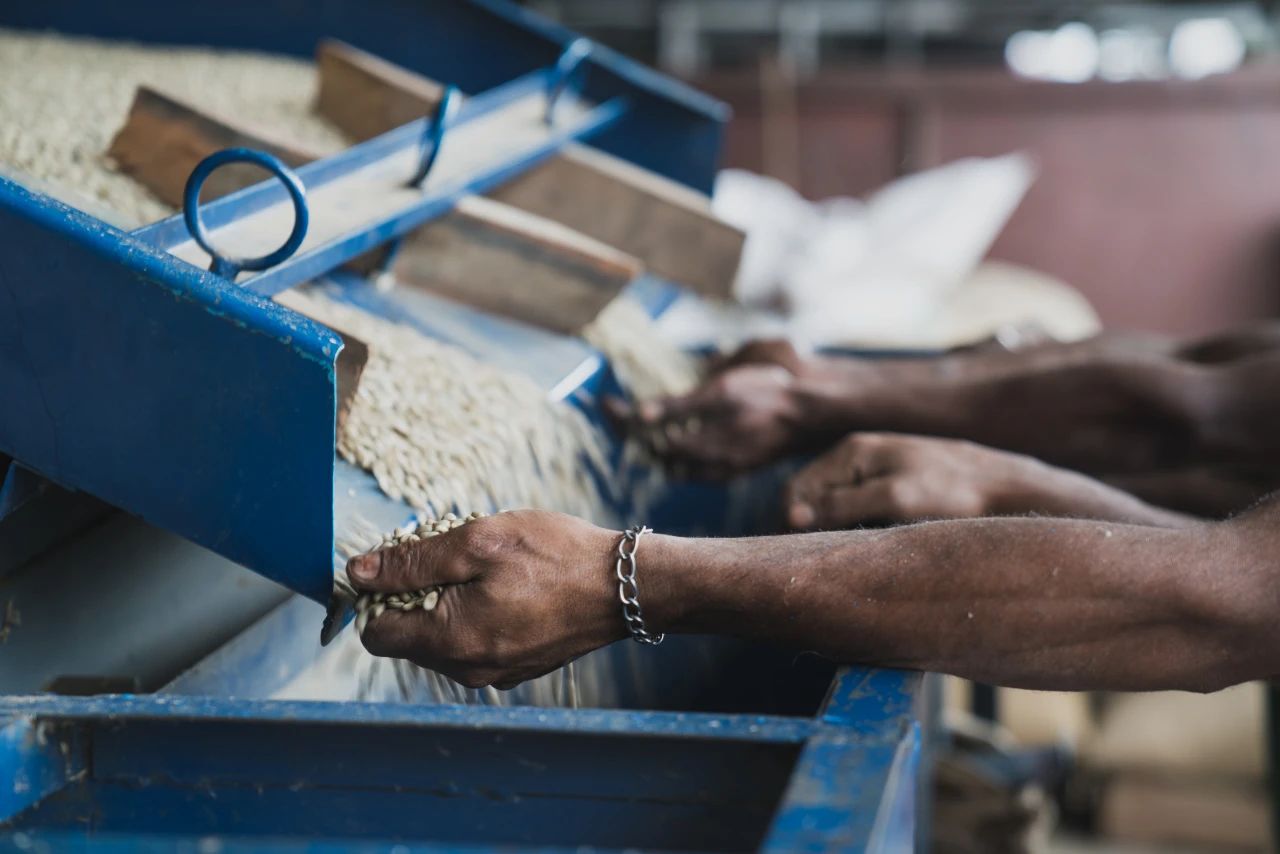
PNG's green coffee bean grading method is the same as that of Kenya, Tanzania, Uganda, Zimbabwe and Puerto Rico, all of which use coffee bean size as the grading benchmark. This Bird of Paradise from FrontStreet is of the highest AA grade. Although coffee bean size is not an absolute standard for flavor quality, for coffee beans from some producing regions it is an extremely useful reference indicator. In these regions, beans grow robustly, and plump, well-formed mature beans best showcase fine flavor; consistent ripeness, hardness and moisture content and other factors make it easier for the roasting process to achieve a uniform and perfect flavor. Therefore, many emerging producing regions also list this as a grading method.
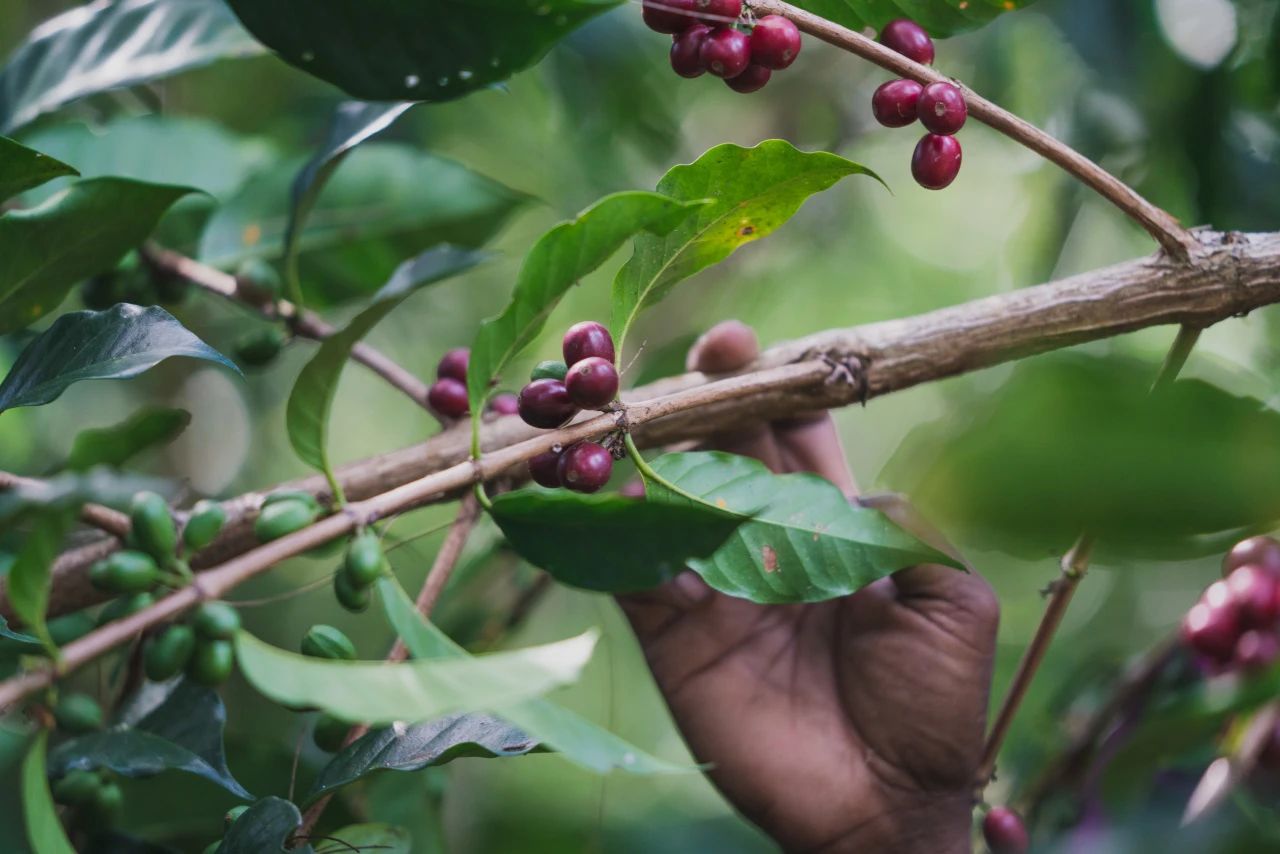
As an ancient Arabica variety, Typica coffee has a uniquely clean flavor and a balanced mouthfeel. Therefore, FrontStreet believes that a large part of the reason for the wonderful flavor of Blue Mountain coffee is that it is a Typica variety. At the same time, the credit of Bird of Paradise Estate's unique coffee bean processing cannot be ignored. According to FrontStreet's understanding, they have their own set of washed processing methods, and the washed processing method is also the best way to express a coffee's most original fruit flavors. Therefore, coffees like Blue Mountain coffee or Blue Mountain-style coffee mostly use washed processing to handle the coffee beans.
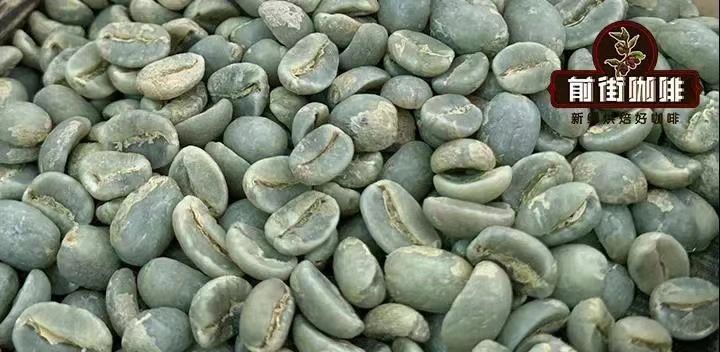
To highlight the clean flavor of this bean, Hacienda El Paraiso uses a washed processing method: after the ripe coffee cherries are picked, they are transported to the wet mill and soaked and washed to ferment in 3 rounds, each round soaking for 24 hours, and after washing is complete, the beans are hulled and dried. This better expresses the coffee's own bright, delicate fruity acidity, with a clean and lingering sweet mouthfeel.
Related Reading



Comments (0)
Loading comments...
You May Be Interested



Trending Reviews
Popular Videos

With you, wherever you are! We provide useful features to help you find new things you'll love






